
Step by Step Book Research
As a bookseller, I need to research a book every day. Either to sell on my eBay shop or to buy stock. Whether you are a collector, bookseller or historian, learning how to research a book is an important skill to master.
To begin with, the title page will tell you the basics. But the real history of a book lies in its edition, binding and provenance.
This guide walks through a practical step-by-step process for researching a book properly. I also have a free template on how to label rare books for sale, which you can download below. Let’s start with the title page.
1. Title Page
For the most part, the title page will tell you everything you need to know when you research a book. Typically, a title page will let you know the title, the author's name, the publisher and the date. Start there, as it often gives you the basic information needed to guide the rest of your research.
Look For:
Full title and subtitle
Author’s name
Publisher
Publication date
2. Edition Information
Next, you need to find what edition you are dealing with. True first editions are more desirable. However, identifying a true first is not always easy.
Frustratingly, older books may not explicitly state the first edition. In those cases, you will need to identify other small differences such as typography errors, advertisements, or other binding details.
For example, a Dracula first edition and later impressions look similar. However, the later impression has endpaper advertisements.
Look for:
First Edition
Printing numbers
Revised edition statements
Reprint dates
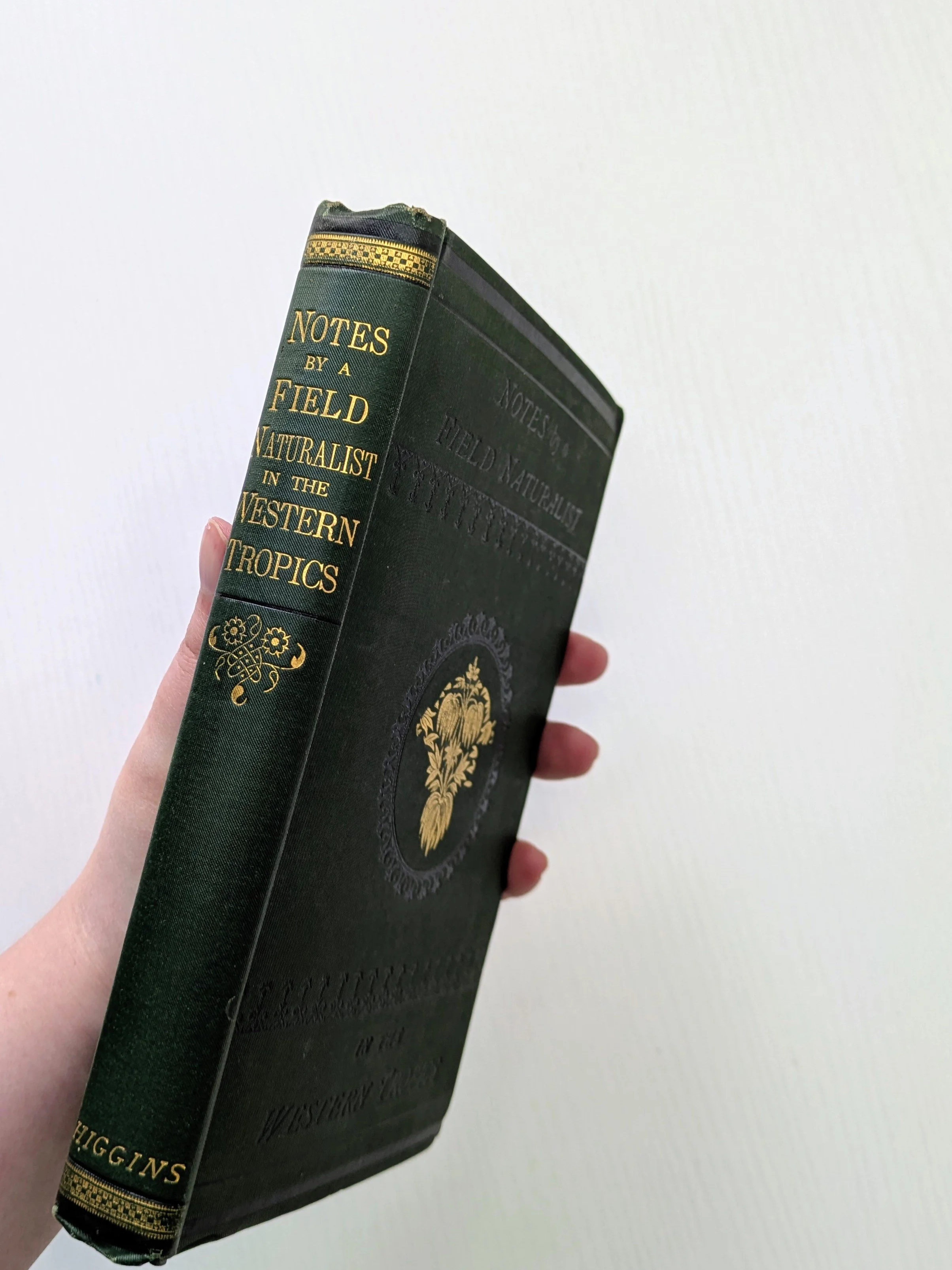
Field Naturalist, 1877
3. Examine the Book
When you research a book, the physical state of a book often reveals as much as the text. Check that the book has its original binding and dust jacket. Next, make a careful note of the condition. Foxing, loose pages, repairs, and missing plates can affect both historical interest and value. For example, the condition of a first edition Harry Potter dramatically changes the selling price.
Look For:
Binding material
Dust jacket
Signatures or inscriptions
Overall condition
4. Research the Publisher
Publishers often have distinctive styles worth investigating. For example, Routledge published Victorian yellowback books or penny dreadfuls, which are very collectable. In addition, publisher information will also help you understand the book edition.
Look For:
Publisher location
What books did they make
Typical bindings from the period
Reputation within the book trade
5. Compare Copies Online
One of the easiest ways to research a book is to compare it with other copies. An online search can let you know the going price, what it sold for at auction and what others found about the book. However, online listings are not always accurate, so make sure to carry out your own research.
eBay also lets you search for sold and completed listings. So you can use this to see what has sold previously.
Look at:
Bookseller listings
Auction archives
Abe Books
eBay, Etsy listings
6. Investigate Provenance
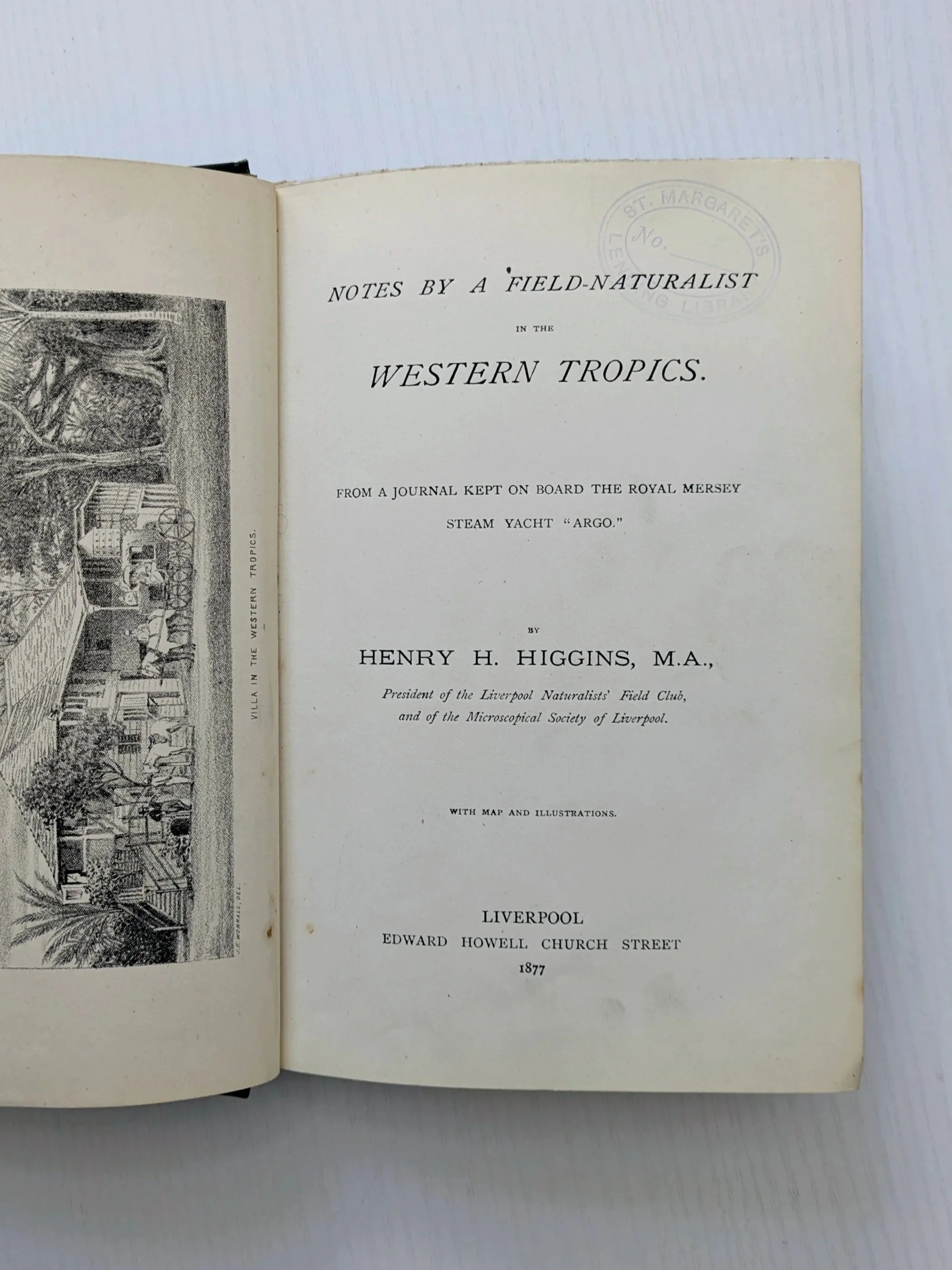
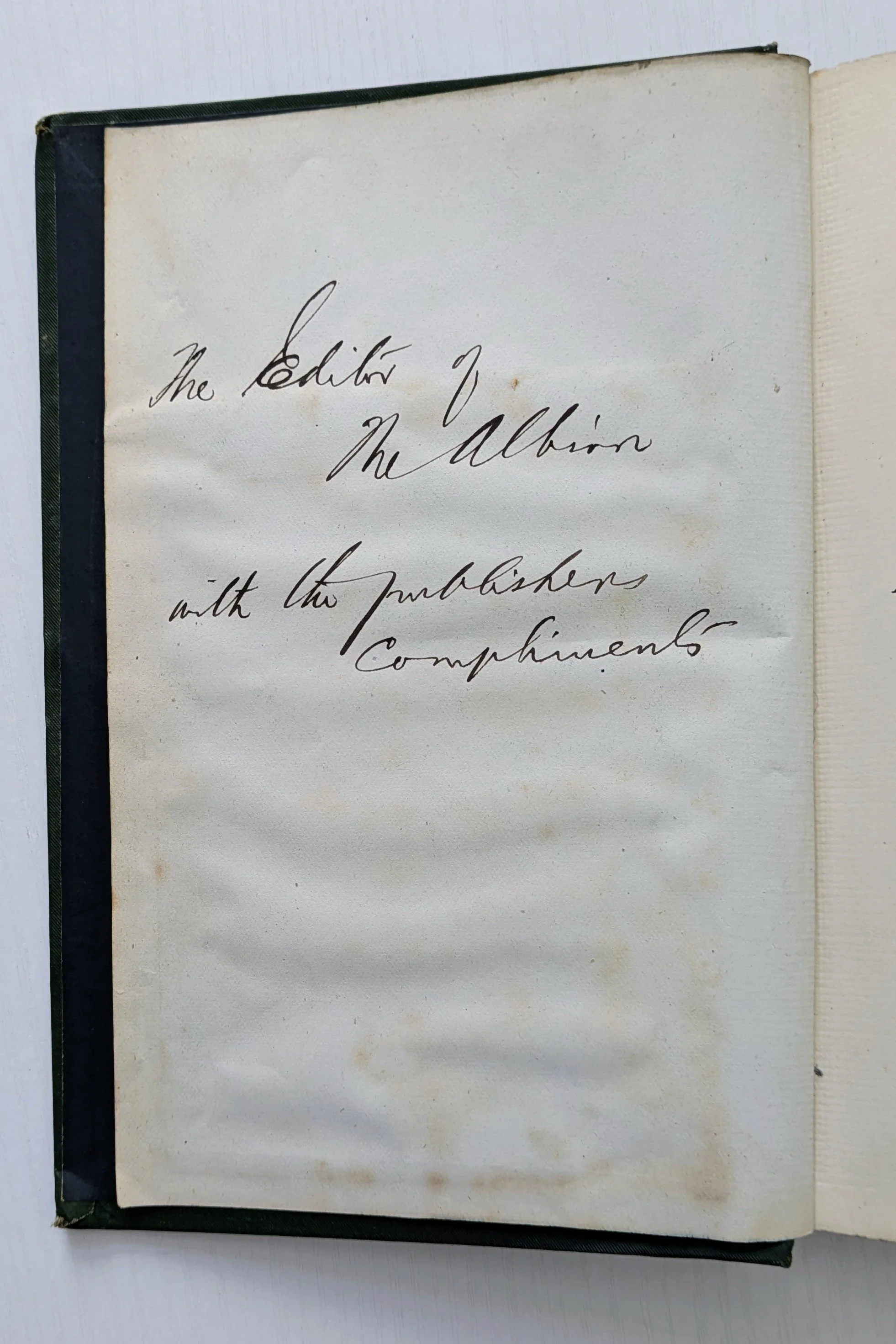
Provenance refers to a book’s ownership history. A notable previous owner can dramatically increase historical interest and value. Sometimes provenance connects a book to a famous collector, institution, or historical figure.
There are a few ways to find the history of a book. To begin with, investigate the bookplate and any inscriptions. Other marks, such as stamps and annotations, can help reveal more about the book.
For Example
Bookplates
Ownership inscriptions
Library stamps
Annotations
7. Historical Context
When you research a book, it also helps to look closely at the publishing period, as well as the political and cultural events that may have shaped its production. Books are historical objects as much as literary ones. Edwardian nature books, for example, reflect changes in public interest in science and education.
Research:
The publishing period
Scientific discoveries
Artistic styles
Political events
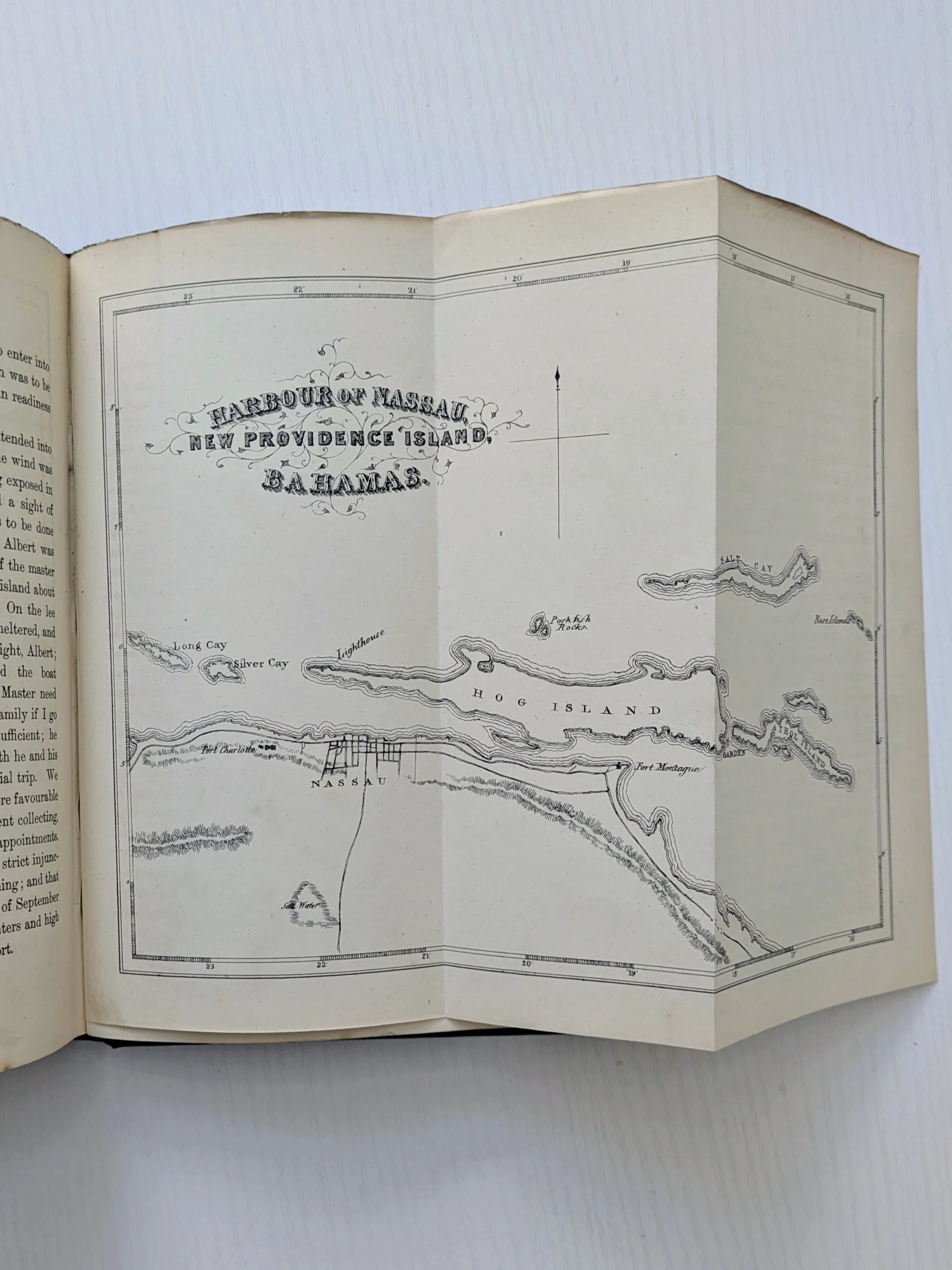
Maps & Provenance
8. Keep Notes
Good research accumulates over time. You can keep a folder of additional notes, including photographs, auction records and provenance information. Notes will help with future identification and writing accurate selling descriptions.
It’s up to you how much detail you want to go into when researching a book. Less expensive, modern books won’t require as much research. However, you might enjoy the process of discovering more about your book.
Book description
Provenance information
Detailed photographs
Historical details
Final Thoughts
Researching a book is part detective work, part exploration. Even modern books can uncover stories about publishing and the people who once owned them.
I am a new bookseller, this blog helps with organising my thoughts and what I learn. I hope this step by step guide helps you learn more about how to research a book. If you have any more advice to share, let me and others know below.
How to Preserve Rare Books Properly
So, you want to preserve rare books.
Whether they are valuable collector’s items or family heirlooms. Proper care can help prevent damage and preserve their condition.
As a bookseller, I have a few basic book repair tips to share. Nothing fancy, but honestly, you can do a lot with an eraser and some glue. Here are the essential steps, along with a few advanced tips, for preserving rare books.
How to Preserve Rare Books
If you start to collect rare books, there are rules for preserving them. First, handle the book with clean, dry hands - no need for gloves.
For heavy books, support the spine when holding them open.
To store your rare books, keep them upright on a shelf. Importantly, the temperature of your room should remain at ‘room temperature’ and stable. Don’t store the books in direct sunlight, as this will cause them to fade.
In addition, avoid keeping your books in rooms with a fire or smoke. Cigarette smoke can linger in books and damage the overall quality.
How to preserve rare books
· Handle with clean, dry hands
· When holding support the spine
· Store the rare book upright
· Keep the room temperature stable
· Avoid direct sunlight
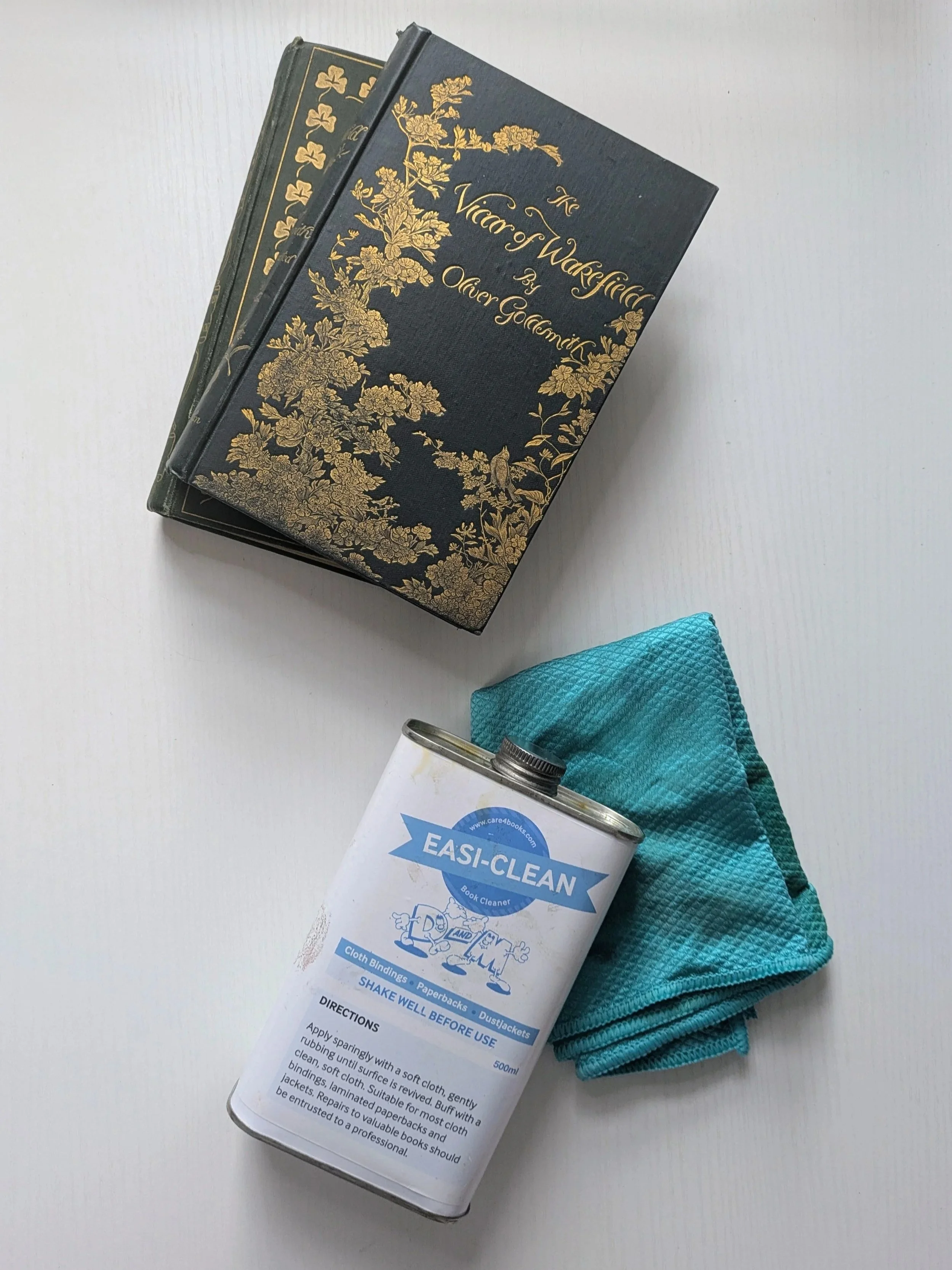
Easi-Clean Book Cleaner
What Damages Rare Books?
The main damage to rare books is from damp.
By keeping your books in a damp room, the pages buckle, and you can even cause mould to form on the dust jackets.
Rooms with rapid temperature changes will cause foxing on the pages. Foxing is the discolouration of paper caused by moisture reacting with paper additives. It looks like little brown or yellow spots on the pages.
Older books are more likely to fox, so they need more care. As such, to preserve rare books, keep them in a temperature-stable room and out of direct sunlight.
Damp Rooms – causes foxing to the paper
Direct Sunlight – causes the colour to fade
How I Look After My Books
Most books are not rare or delicate enough to need professional restoration. My book repair box contains a dust cloth, eraser rubber, PVA glue and book cleaner.
First, I dust my books with a cloth. Next, I look through the book for pencil inscriptions. Typically, another bookseller has their price in pencil that you can rub off. Make sure to do this carefully, or you will crease the papers.
Next, if the spine is slightly loose, you can repair this with PVA glue. Even professional bookbinders use PVA glue to attach spines to books. You can even glue loose pages back on with PVA.
As for cleaning books, I use Easi-Clean book cleaner. It works well on leather, vellum and plastic covers. However, on some cloth or cardboard covers, you can remove the ink. Sometimes vintage books look better even with a rough clean.
So, you start to buy rare books that are not too rare you can preserve them yourself. For more expensive books, you will need to pay for a book binder.
What’s in my book repair box
Dust Cloth
Eraser
PVA Glue
Easi-Clean book cleaner

My Book Repair Box, 2026
Restoring Rare Books
If your book is genuinely rare or valuable, look for a professional book binder with experience in antiquarian books. A good place to start is the Society of Bookbinders, which lists n professionals in the UK.
Before agreeing to any treatment, ask for photographs of similar work, a price quote, and an explanation of the restoration details.
The problem is that there are few high-quality bookbinders in the UK, and the good ones are always fully booked. I am considering taking a book-binding class to learn the basics, but even so, the profession is disappearing.
If anyone has any recommendations for book binders, please let me know below.
FAQ
Should rare books be stored upright?
Yes, store most rare books upright on shelves. Make sure there is enough room to stop them from leaning, as leaning can warp the covers. Large, heavy books are better stored flat,
Can sunlight permanently damage books?
Yes, direct sunlight can seriously damage rare books. It can cause fading, brittle paper, and weakened or discoloured bindings. Over time, UV rays speed up deterioration.
Should you wear gloves with old books?
You should generally not wear gloves when handling old or rare books. Clean, dry hands are usually safer because gloves make fragile pages harder to turn.
What is foxing in books?
Foxing in books appears as small brown, yellow, or rust-coloured spots. These are generally caused by the oxidation of iron impurities in the paper. To avoid foxing, keep books in low-humidity rooms.
Final Thoughts
Rare books can last for generations when they are stored properly. A stable temperature, low humidity, careful handling, and protection from direct sunlight all help preserve their condition. If you are starting a collection, consistent care matters far more than expensive preservation.
I am a new bookseller. If you have any advice on how to preserve rare books, let me and others know in the comments below. You can also follow my bookselling journey on Instagram @sixbookshop
Market Selling Case Study - Hulme Hall
I have been selling at markets for 2 years.
To begin with, these markets were great because they got me out of the house while working from home. As a new book seller, these markets offer the chance to test selling without spending high costs.
Keep in mind that these are not professional/ PBFA book markets. Neither are the customers collectors. As such, people are less likely to spend a lot of money. Occasionally, high sales do happen in local markets, but you can't guarantee sales.
When I do a local market, I make between £50 and £300, with an average income of £150 per day. I do think they are worth doing as they allow you to network with local booksellers and learn how to sell directly to customers.
I hope this market case study provides info on what to expect at local markets for booksellers and other vendors. I also made a free market venders checklist.
The Market
Hulme Hall book market in Port Sunlight took place on Sunday, 26th April 2026. I also attended this market last year, where I made £280 in sales. As such, I was happy to attend and see if I could make the same again.
I arrived to set up at 8:30 am, and the market opened to the public at 9:30 am. I take 15 minutes to set up my stall, which I pack all in one large suitcase. Giving me the chance to look at other stalls and buy book stock.
First Sale
I always feel as though the first sale is the hardest. Especially if an hour goes by and no one has bought anything. My first sale was to a local bookseller who purchased £48 of books. I was able to recommend a few books that I knew they could sell for profit.
The next sale was to another book seller. This one is a PBFA member looking for stock. In fact, I could say that 50% of my book sales, both online and off are from other booksellers.
From 9:30am – 1:00pm, there were several sales. Making me think that this was going to build up a good day, as successful as the market last year.
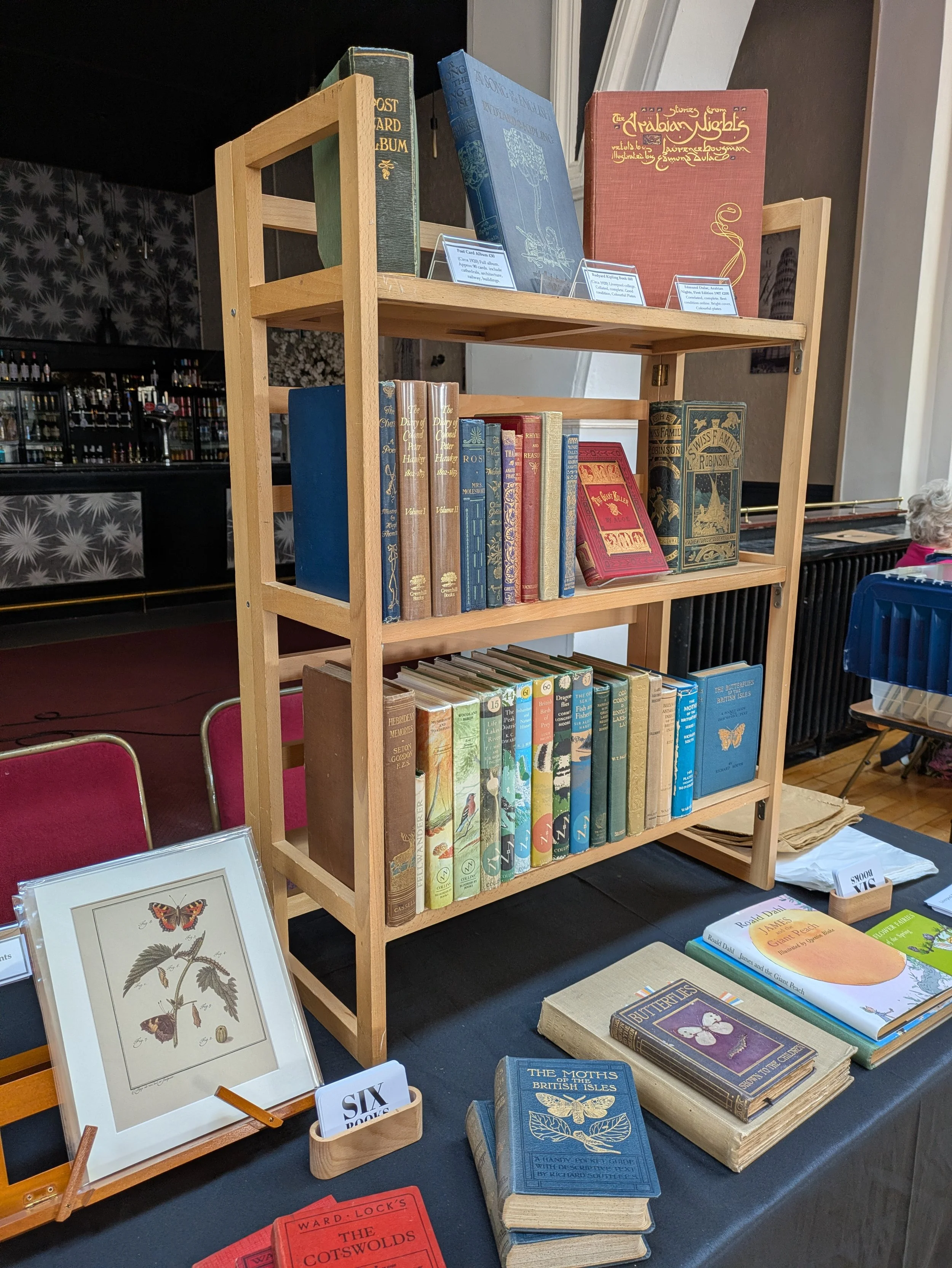
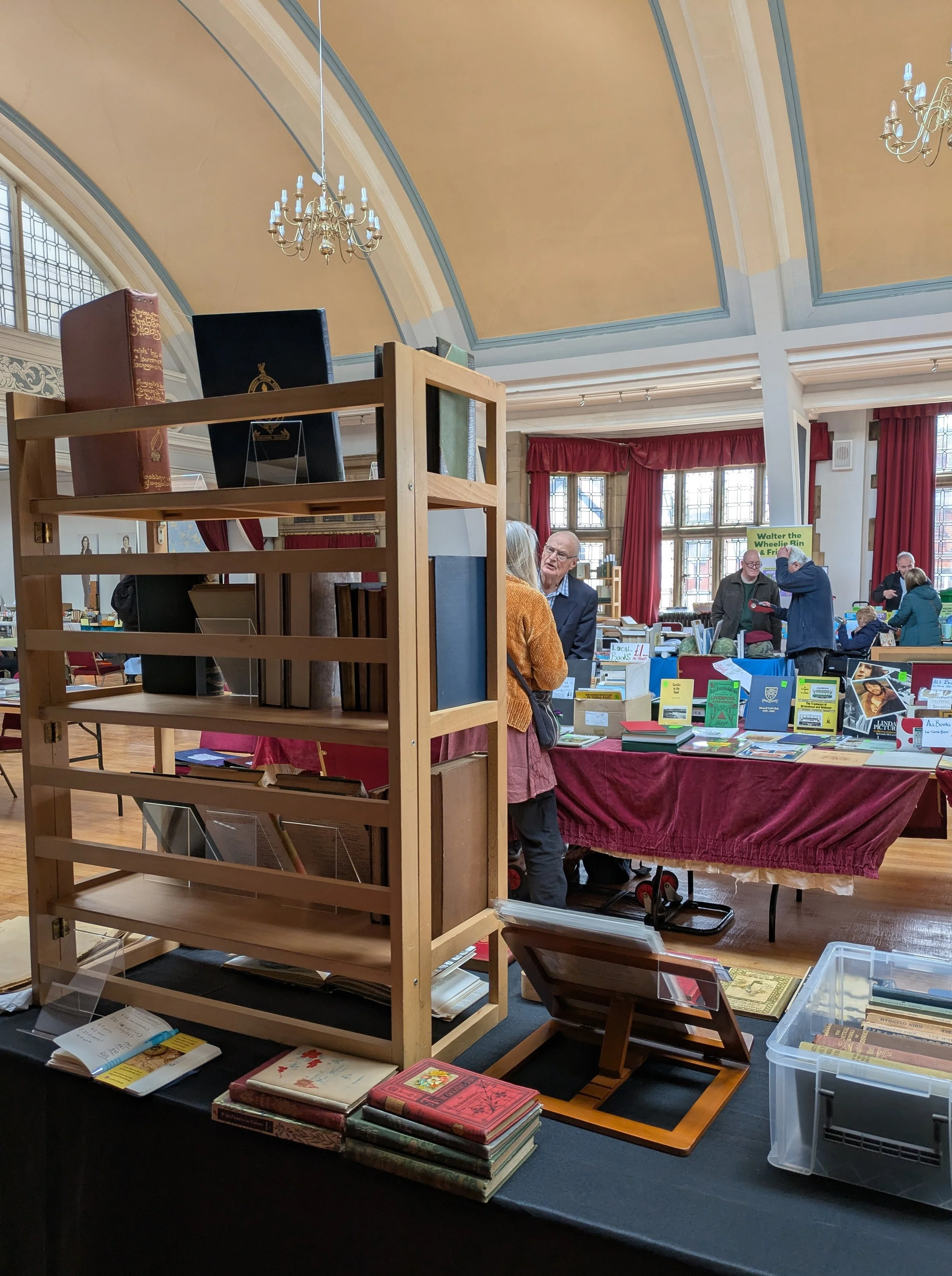
Half Way
Then, after lunch, the traffic slowed. I still had some expensive books and felt optimistic that the right person would come. However, you can’t sell at a market with no customers.
This time around, the market had less advertising and by 2:00pm there were no new customers. People started to pack up early, and I tried to stay optimistic.
The End
I packed up at 2:30pm along with everyone else. Getting a taxi back with my one suitcase and shelf was no problem. Unfortunately, this was not a successful market this time around. However, the Hulme Hall book market will run again later this year.
Even though I didn’t sell well. I still meet people, hand out business cards and bought some good book stock. Attending a market as an independent seller isn’t just about the sales.
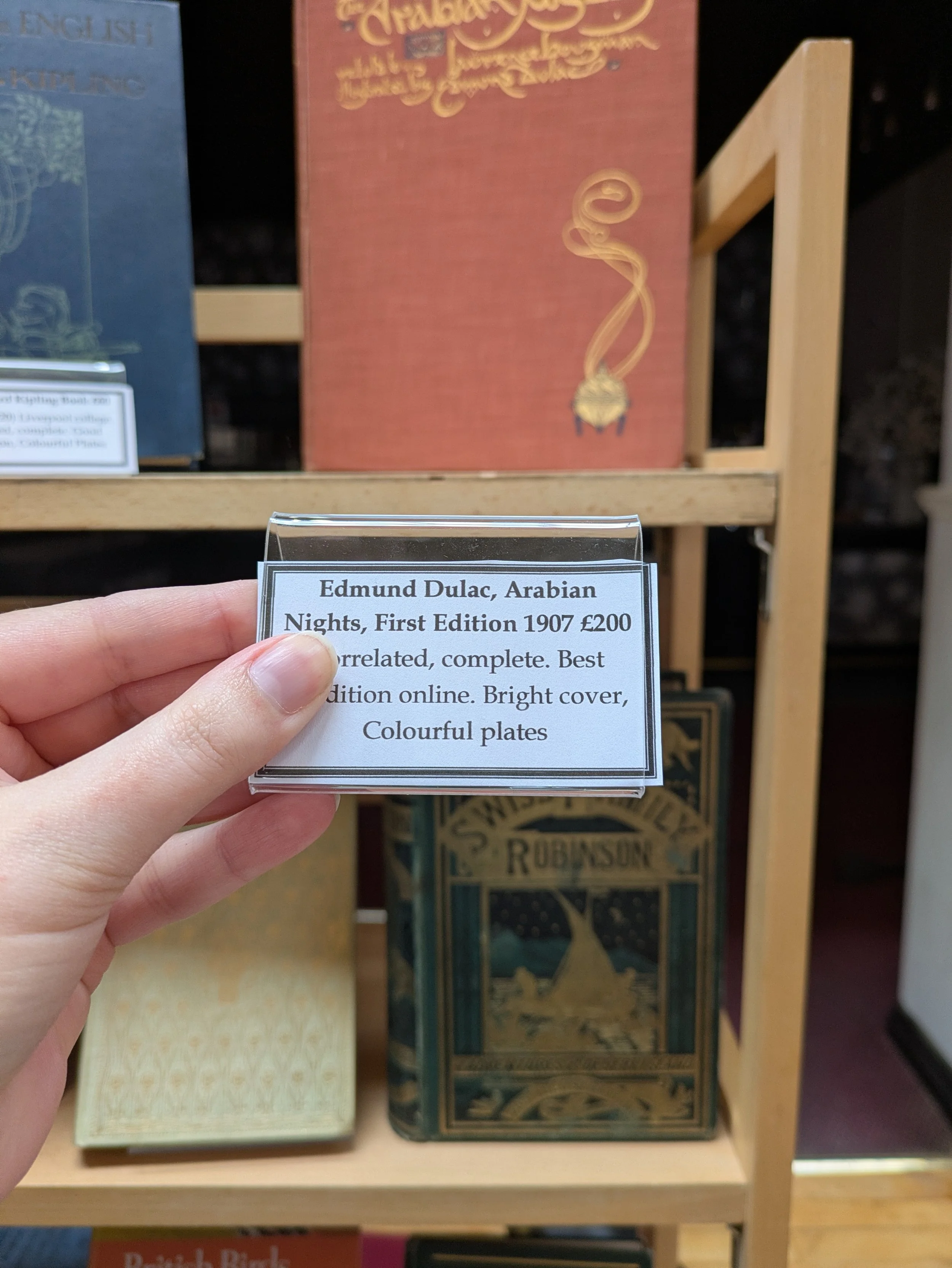
Profits
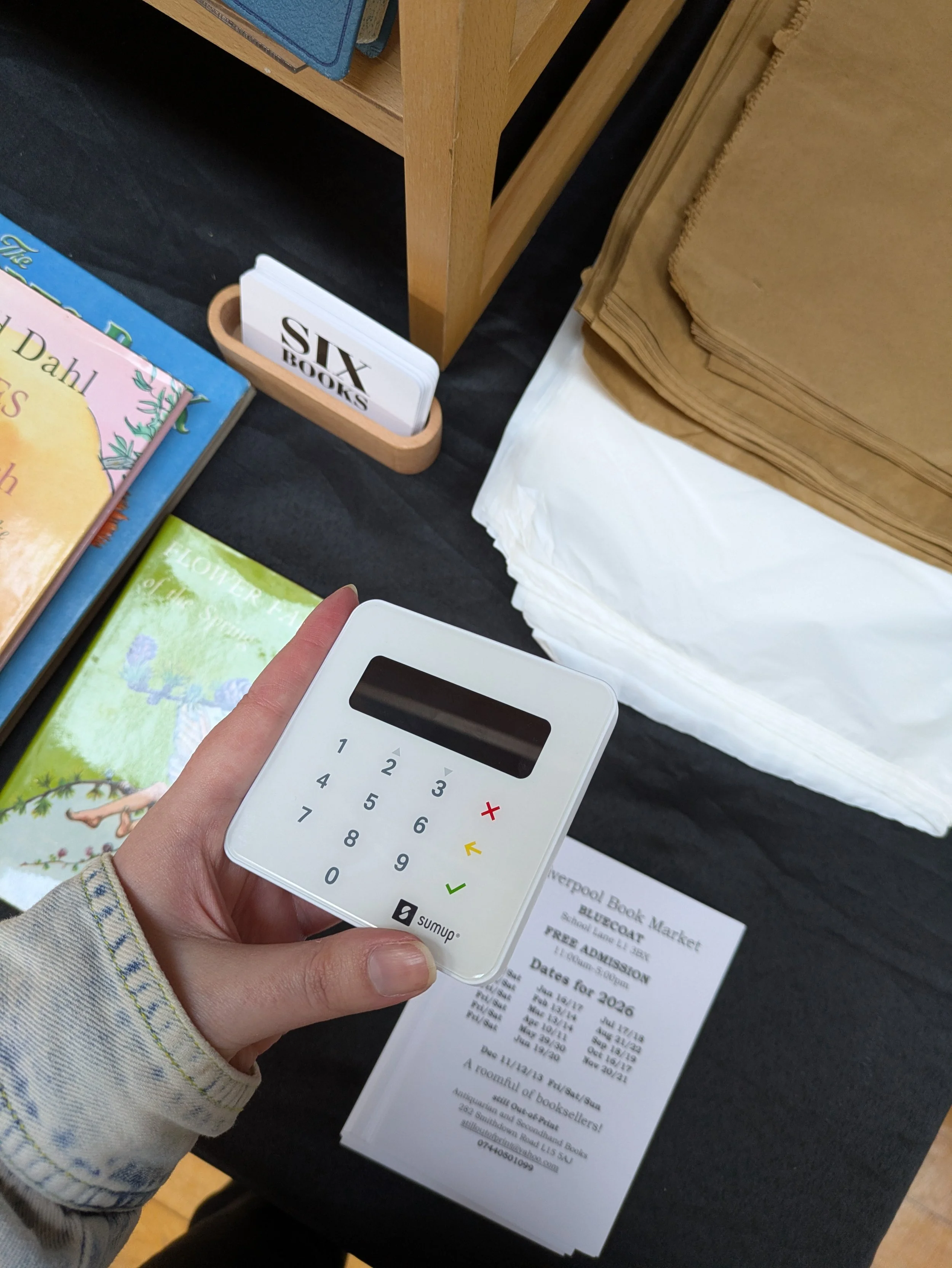
Local markets tend to have low costs, which makes them low risk. Unfortunately, I still can’t drive, so I got two taxis to the market 20 minutes each way. My total expenses were £65, and after sales, my profit was only £70.
Keep in mind, this is not my true overall profit, as I still had to buy my stock. In reality, my actual profit was only about £30.
Expenses
£25 table
£40 taxis
Sales
£135
Profit
£70
Book Buying
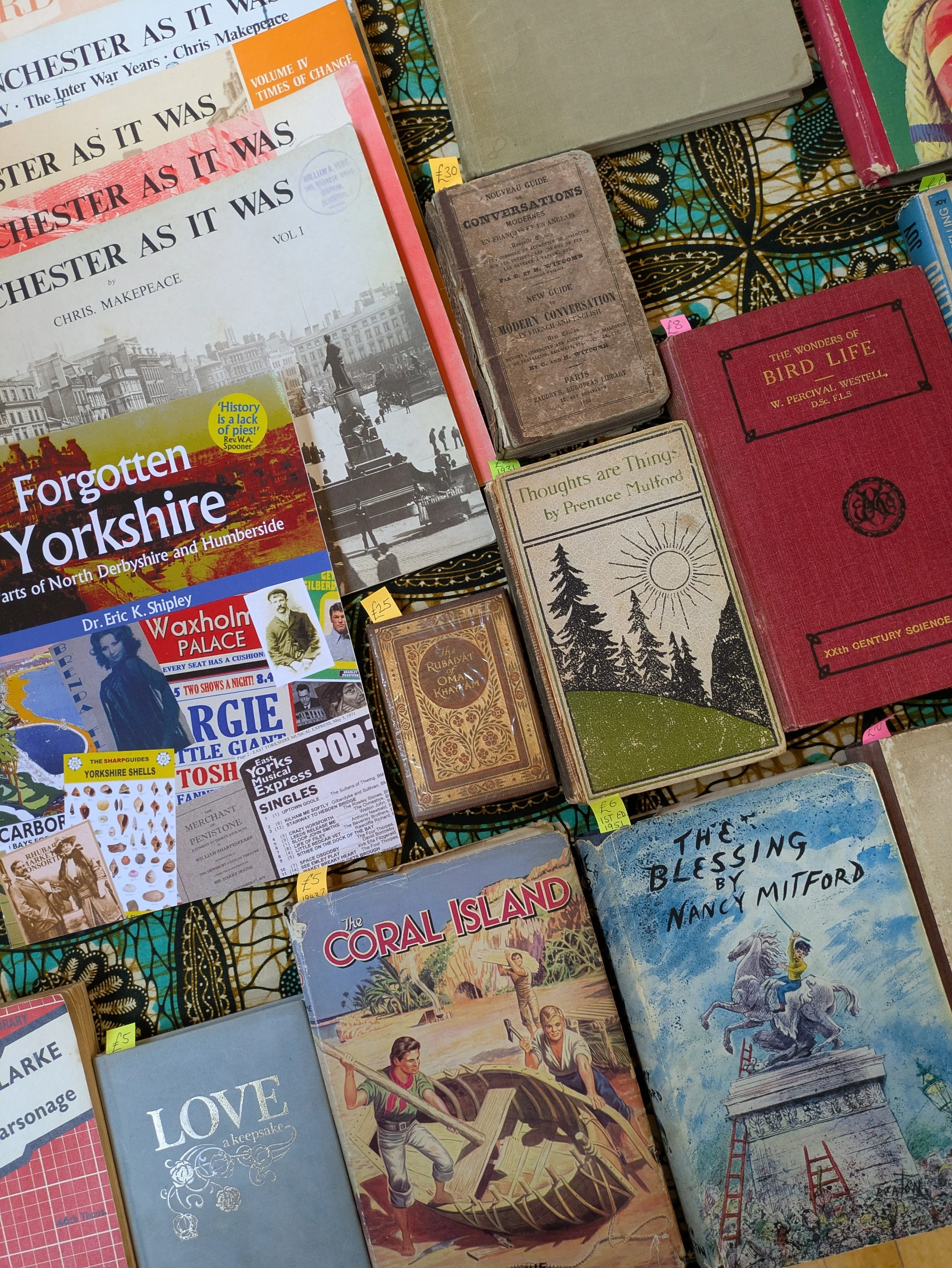
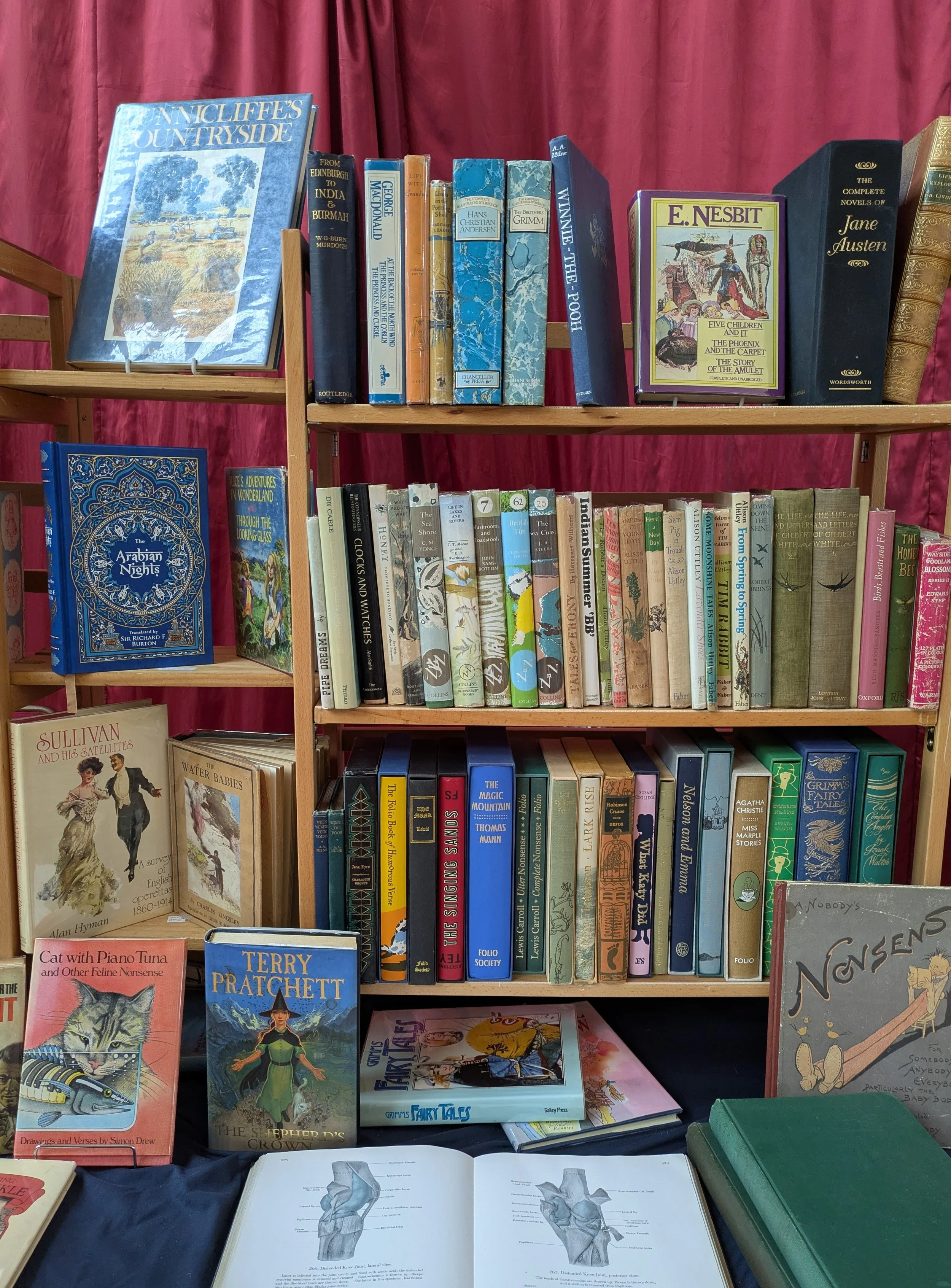
So, I made a low / no profit but what made up for it were some book acquisitions. Even if customers don’t buy books, I can still buy stock and make my income back later. I spent £40 on stock, which should turn around £100.
Not all local markets sell poorly. You can’t predict how a day will go, at the same market last year I made £280, in addition, I made £400 in two days at a Christmas market. Plus, whenever I make a sale, I hand out a business card which leads people to my eBay shop.
Final Thoughts
Before I attended this market, I knew I would write a case study. I think it’s good to note the reality of selling at local small markets. There is no guarantee that, even if you do everything right, you will still sell well. I hope this case study has helped provide some light to market selling. You can follow my book-selling journey @sixbookshop. You can also download a free market vendors checklist below.
Starting a Career as a Rare Bookseller
Two years ago, I wasn't even aware that the rare book trade existed.
I didn’t know that people made a living selling rare books. That was until I began selling books at a local market and discovered the world of rare book selling.
From the start, I was pessimistic that people could make a career as a bookseller. Sure, you can do this as a hobby. But is it possible to make enough money to live off rare books?
Today, I have no doubt that some people make a living selling rare books. Over the past month, I have messaged many people with successful book businesses. They all have a few things in common: daily social media updates, extensive inventories, and 5–10 years developing their businesses.
There is nothing easy about selling books.
Career
In my twenties, I worked on film sets, in kitchens, and later as a content writer. I’ve tried a lot of jobs and realise that I am not cut out for stressful work. I don’t want to work long hours and stand on my feet 12 hours a day.
Freelance writing suited me better than any of my previous jobs. I set my own schedule, worked independently, and didn't have a boss looking over my shoulder.
However, due to weak economics and AI, this content writing has no future. I lost my main client at the start of the year, then one by one, the work dried up.
Now my only source of income is bookselling.
Books
The future is physical media. As the world pushes more towards digital technology, people will start to crave physical goods. I have no stats to back my thoughts, but one thing is for sure people are buying books.
Every day, someone buys a book from my eBay shop. Typically, only a £20 book, but my more expensive sales include a Harry Potter Dulux at £1000, a book on the early Americas at £1,500, and a first-edition Sherlock Holmes at £900.
Some books sell quickly, and others take 6 months or more. If you have limited funds, you can’t spend all your book money on long sales, even if the books are irresistible. You need a balance of guaranteed sales and slow burns.
Home Office, 2026
Madness
I’m 35 years old, I don’t want to struggle. That is to say, I am coming into this with realistic expectations. I know I need to keep making money throughout my life.
However, the past month I have spent £1,000 on book stock. It’s madness, book buying is very addictive. Whether I'm bidding online or find a book in a shop, I can’t let go. I see something I think will make money, and my eyes light up, but then the book sits there online, and months go by.
It’s an obsession that I need to control.
I’ve made it clear that I won't buy books this next month until I have all my books online. There are a few auction boxes I have yet to open, as well as some risky job lots.
Goals
I’ve built skills over the past few years writing, SEO, photography, and filmmaking. I have the marketing skills to make this work. But it will take time. Every bookseller I've messaged has said it took at least 5 years for their online shop to take off.
So, in addition to focusing on bookselling, I will also find a part-time job. It might even be better to find a job that gets me out of the house. I’d love to buckle down and make this business work fast, but unless I go viral on TikTok, I need patience.
Thanks for reading my first bookseller journal post. I’m going to write more personal posts on my blog, as well as case studies of books I buy and sell. You can follow me daily on Instagram @sixbookshop
Dracula First Edition Price Guide 2026
Dracula first edition price guide.
The first edition of Dracula by Bram Stoker (1897) is one of the most sought after works in rare book selling. This gothic horror novel introduced the world to Count Dracula, shaping the popular image of the vampire.
As with all rare books, you need to ensure that you have the true first edition and not another impression or facsimile. Below, I will break down the key factors that make a first edition Dracula and other Gothic horror novels.
I have also created a free download of modern rare edition books
Dracula First Edition Price Guide
The first edition of Dracula had a 3000 book print. These true first editions have a yellow cloth cover with red text. On the title page, you will find the publisher Archibald Constable and Company, dated 1897.
Keep in mind that a true Dracula first edition has no advertisements in the back of the book. Bonhams sold a true first edition copy with a cover sticker for £10,000 in 2026. Signed copies also go for high prices, with a Christie’s signed true first edition making £29,000.
£30,000
Later Editions
The later edition of Dracula has advertisements at the back of the book. Christie’s sold a first edition Dracula for $8,000 in 2019. Forum Auctions sold a very bright copy for £12,000 in 2022. Signed books also fetch a lot more. One sold for £29,000 ($45,851). Christies sold a similar signed copy for £17,500 ($27,248) in 2011.
How to Tell If It’s a First Edition?
The first edition of Dracula will say on the title page published by Archibald Constable and Company, and dated 1897.
It has a yellow cloth cover with red lettering. The true first edition lacks the publisher’s advertisements in the back of the book. The paper is also thicker and high quality.
This video from Moon’s Rare Books looks at the different editions of Dracula.
Other Gothic Horror First Editions
Dracula, first edition, isn’t the only valuable Gothic horror novel. Other rare books to look out for include first edition copies of Frankenstein to Oscar Wilde’s The Picture of Dorian Grey. Let’s look at how to identify other true first editions.
Frankenstein
The first edition was published in 1818. Originally a three-volume series and published anonymously. On the title page the publisher Lackington, Hughes, Harding, Mavor & Jones, London. There are 500 first edition copies.
£500,000
The Picture of Dorian Grey
The first edition was printed in 1891. On the title page look for a Ward, Lock & Co. The book has grey boards with gold gilt lettering and cover design by Charles Ricketts. The first edition also has a special signed, large edition.
£5,000
Dr Jekyll and Mr Hyde
The first edition was published in 1886 by Longman Green and Co. The book originally sold as a paperback penny dreadful. The first edition hardback also dated 1886, by Charles Scribner's Sons, New York. The later UK first edition, dated 1886, has an orange cover.
£3,000
The Turn of The Screw
The horror novella originally appeared in Collier’s Weekly magazine in instalments. The hardback book was published in 1898. On the cover, it says The Two Magics. Printed in New York City with a turquoise cover.
£2,000
The Phantom of the Opera
The true first edition of The Phantom of the Opera was published in French in March 1910 by Pierre Lafitte & Cie. The first English edition appeared in 1911, published by Mills & Boon in the UK or Bobbs Merrill in the US. There is also a sort after 1920s edition with black and white plates.
£1,000
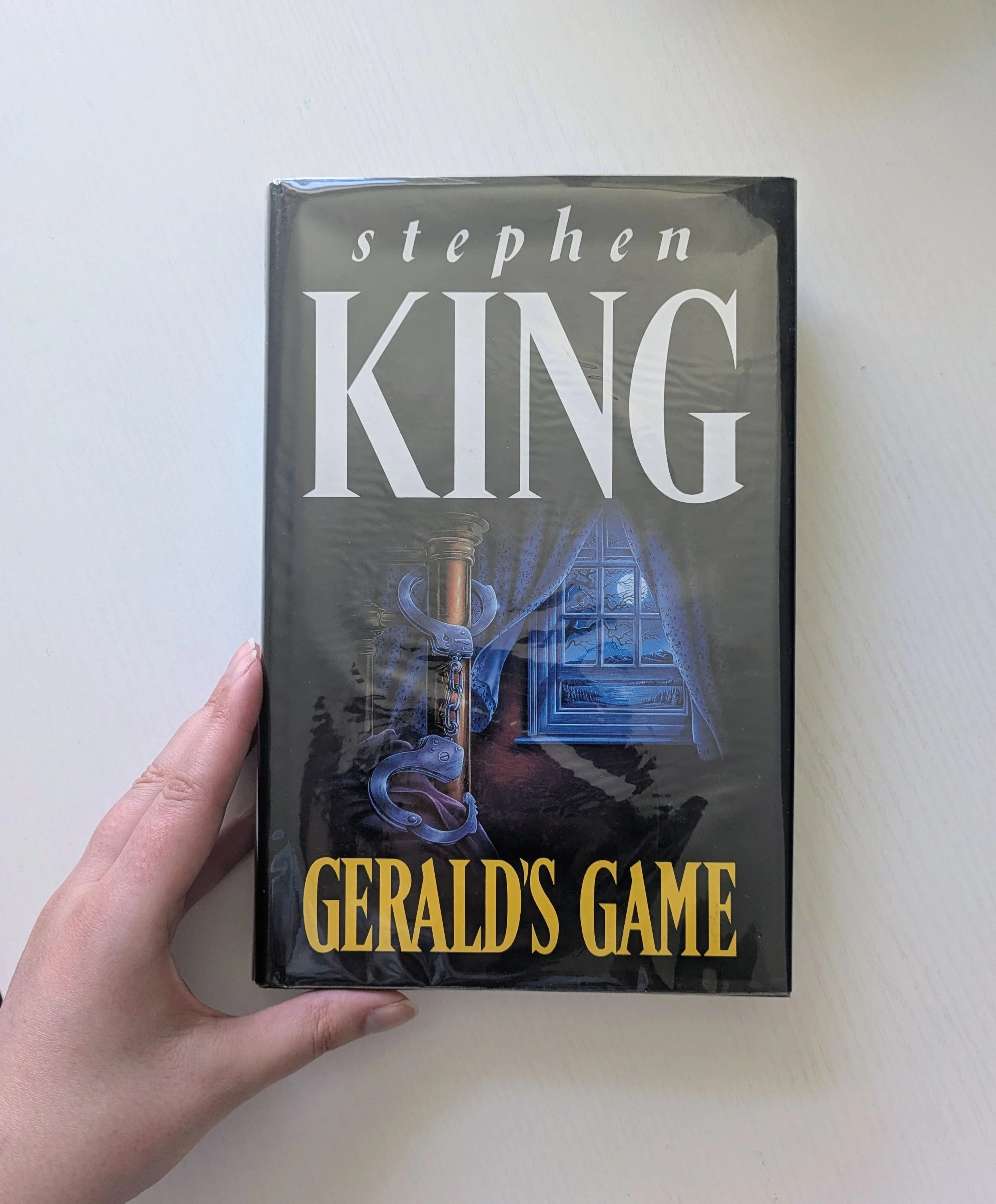
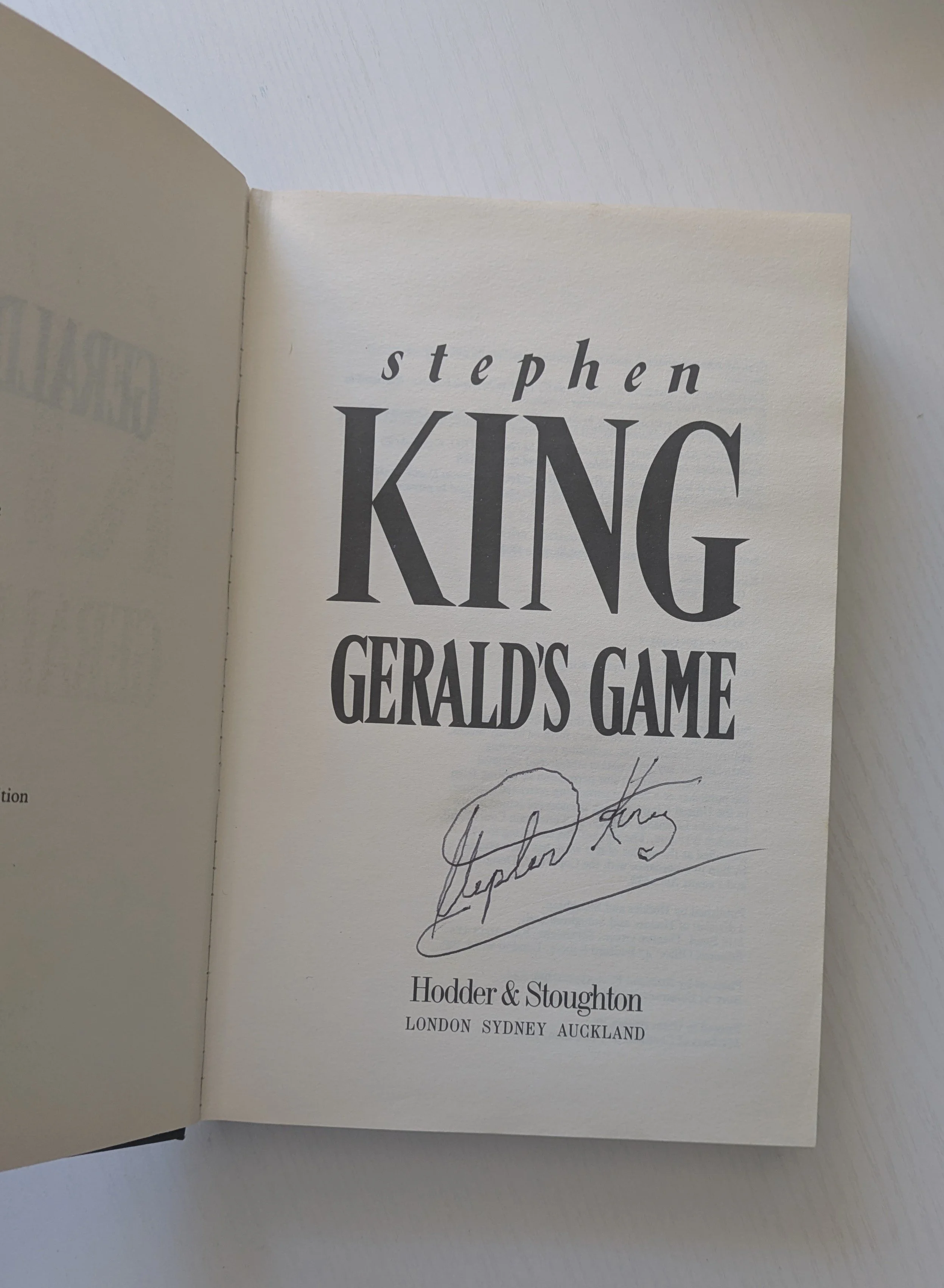
I don’t have a first edition Dracula, but I do have a signed Stephen King.
Rare Book Pricing
As you can see, rare book prices vary widely. The value of a Dracula first edition is determined by several key factors, including its physical condition, the date and publisher, the specific edition, and the overall market demand. Each of these elements influences how much collectors are willing to pay.
Condition
The condition of a rare book is one of the most significant factors affecting its value. Any damage such as stains, tears, foxing, or missing pages can dramatically reduce a book’s price. As such books in good condition will fetch a higher price. Ultimately, the closer a book is to its original state, the more likely it is to sell at a higher price point.
Edition
Some books will also have a variety of print runs and editions. For example, do you have a true first edition or a later American first edition. You can see this distinction in the market for first edition Harry Potter books, where prices differ based on the publication date and specific edition.
Market Demand
Lastly, the current market demand will impact the selling potential of a book. Modern first editions can gain high prices if there is renewed public interest. For example, new adaptations in film and television. As such, collectors and sellers must keep a close eye on trends and shifts in the rare book market. You can also find advice in my beginner’s guide to buying rare books.
I have also created a free modern first edition price guide, download below.
I hope this blog post has helped you understand the price of a Dracula first edition book. I’m a new bookseller, if you have any questions or advice to share on rare books let me and others know in the comments below @sixbookshop
Natural History Books Collectors Guide
Natural History Books – Collector's Guide
Collecting books on natural history is a fun hobby. Whether you love their illustrations or are intrigued by their content. There are many subjects and collections you can find, either with a low or unlimited budget.
To begin with, there are lots of reasons to collect rare books. You might wish to preserve knowledge or create a personal library that reflects your interests. In this blog post, I will look at how to start a natural history book collection with advice on what to buy. You can also find a list of book collecting ideas below.
Natural History Books
When you start collecting natural history books, you might wish to follow a theme. For example, you could focus your collection on butterflies. You can explore a specific subject in depth. However, it’s not necessary to have a theme or to complete a book collection. Whether you follow a theme or not, the most important thing is to enjoy the process and let your personal interests guide you.
You might also need to decide if you want new books or antiquarian. Older books may lack the latest insights. On the other hand, antique books have exceptional plates and quality. Of course, you can have a varied collection.
Natural History Categories Examples –
Botanical
Wildlife
Birds, Ornithology
Insects, Ethicology
Fungi, Mycology
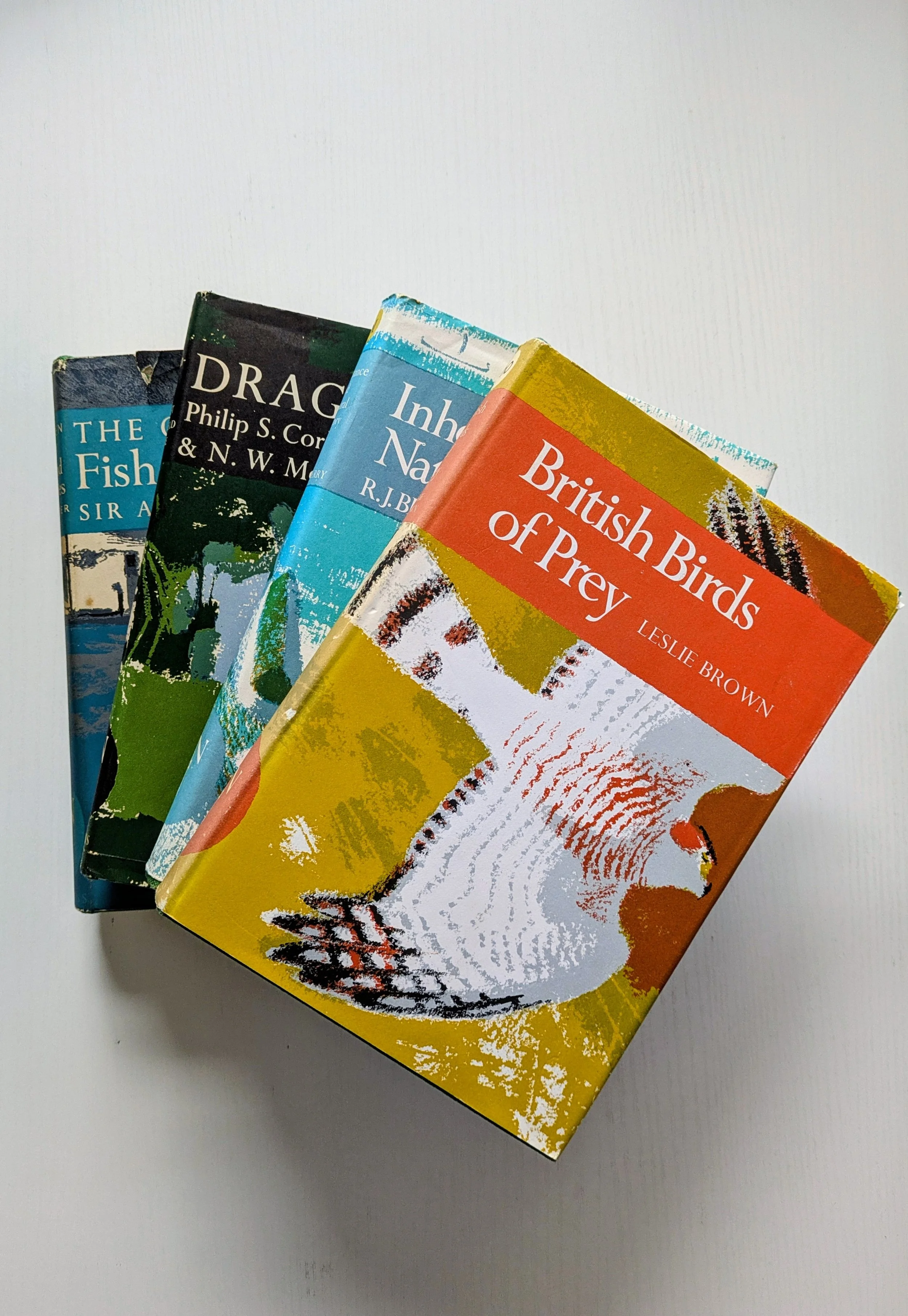
New Naturalist Book Collection
Natural History Book Collection
It’s also possible to start a natural history book collection with a limited budget. Some budget collections include New Naturalist and Wayside & Woodland. They are easy to find, fascinating reads, and look great on the shelf.
You can also start a collection on a specific writer. I personally enjoy reading Alfred Wainwright's walking books, or you can even build a collection of Charles Darwin's works. Many natural history book collectors also buy prints and original plates.
How you design your collection will depend on your personal interests. Below, I have a list of book collecting ideas and books on natural history to help you start.
Budget Natural History Books –
New Naturalist
Observer Books
Ladybird Nature
Wayside & Woodland
Shown To The Children
Popular Books On Natural History –
Familiar Wild Flowers
The Natural History of Selborne
Birds Of America
The Naturalist's Library
Curtis's Botanical Magazine
Natural History Writers –
Morris Rev. FO
Gilbert White
Charles Darwin
Eliza Gleadall
Mrs Gatty
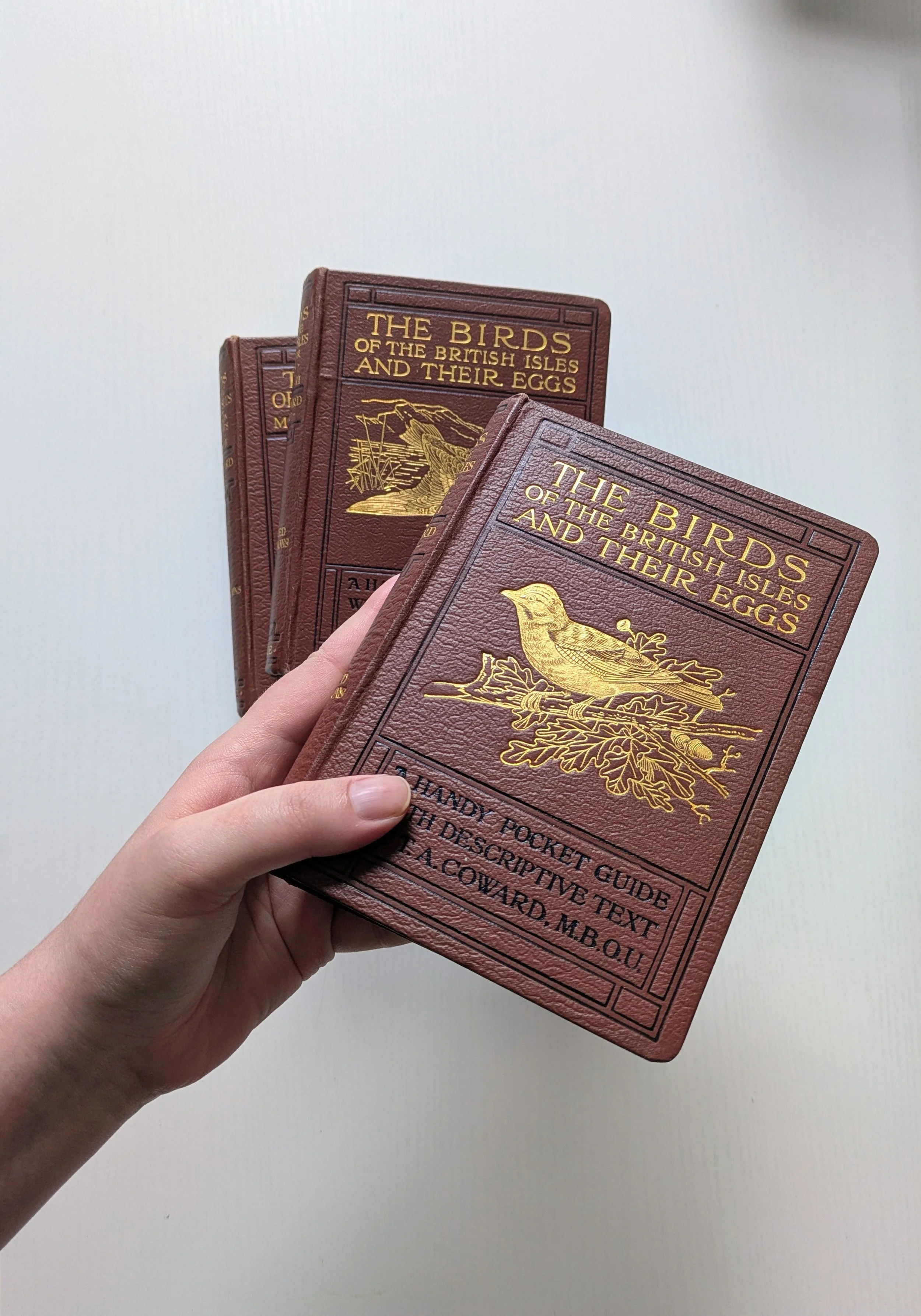
Wayside & Woodland Books
Buying Natural History Books
There are lots of places to buy rare books, including eBay, second hand bookshops, book fairs and auctions. Before you buy a book, check the condition. Does the book have its original dust jacket, is it in good condition?
When collecting books on natural history, check that there are no missing plates. In the 80s and 90s, there was an increase in people pulling colour plates out of books. As such, make sure to count the plates before buying.
Natural history booksellers can help you build your collection. You might find a local seller with a Google search. In the UK you can use the PBFA website to find book sellers. I also have some budget books in my eBay shop.
If you have the budget, then contact well known antiquarian bookshops (for example, Peter Harringtons). These can help you find books for your collection. These larger shops will also have a list of stock on their website.
Lastly, book collecting is an addictive hobby, so it’s a good idea to have a budget. Perhaps stick to a set monthly spending limit or a budget for your entire collection. If you don’t do so, you might end up like me, an accidental bookseller who spends £1,000 a month on books!
Displaying Natural History Books
When you display your book collection, keep them on a shelf and upright. It’s important that you don’t have your rare books in direct sunlight, as this will cause UV damage.
To ensure your books last in the best condition, gently clean the shelves and dust the books. In addition, maintain a controlled environment with consistent temperature. Especially important if you collect very rare old books.
Sharing your book collection online can help you connect with fellow bibliophiles. In my experience, Instagram is an excellent platform for posting book photos. However, you can also find a community on Reddit or Facebook.
Your Book Collection
Your collection is about you. It reflects your interests, tastes, and passions. Whether you prefer a minimalist look or a vibrant display. You can also personalise your display using creative lighting and unique display shelves.
Furthermore, you might choose to display your books open to beautiful plates. Ultimately, what you collect and how you present it should bring you joy. So, feel free to experiment until you find what makes you happy.
Thanks for reading. I’m still a new book seller, so if you have any advice on collecting books, please share it in the comments.
Instagram @sixbookshop