
Step by Step Book Research
As a bookseller, I need to research a book every day. Either to sell on my eBay shop or to buy stock. Whether you are a collector, bookseller or historian, learning how to research a book is an important skill to master.
To begin with, the title page will tell you the basics. But the real history of a book lies in its edition, binding and provenance.
This guide walks through a practical step-by-step process for researching a book properly. I also have a free template on how to label rare books for sale, which you can download below. Let’s start with the title page.
1. Title Page
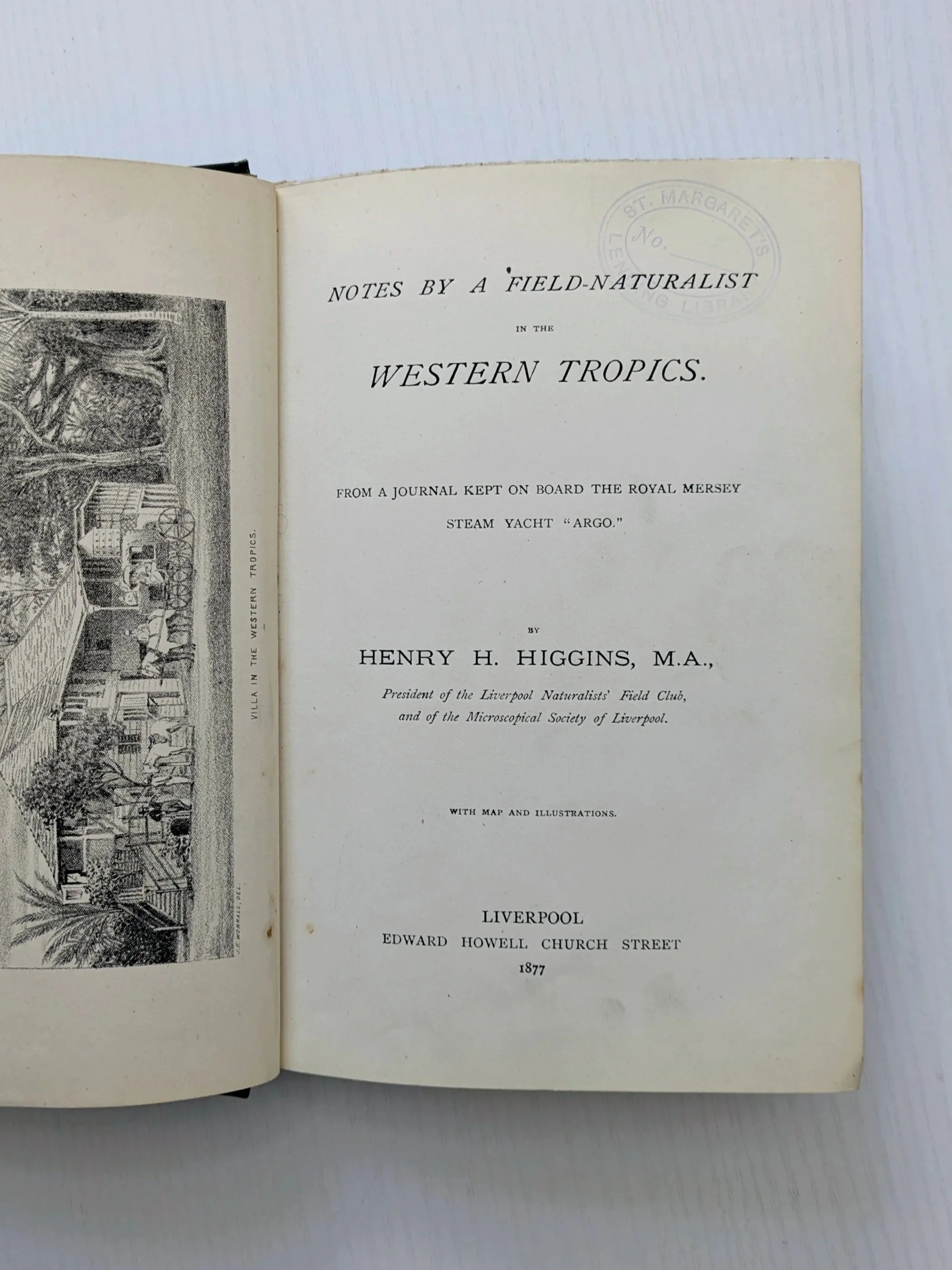
For the most part, the title page will tell you everything you need to know when you research a book. Typically, a title page will let you know the title, the author's name, the publisher and the date. Start there, as it often gives you the basic information needed to guide the rest of your research.
Look For:
Full title and subtitle
Author’s name
Publisher
Publication date
2. Edition Information
Next, you need to find what edition you are dealing with. True first editions are more desirable. However, identifying a true first is not always easy.
Frustratingly, older books may not explicitly state the first edition. In those cases, you will need to identify other small differences such as typography errors, advertisements, or other binding details.
For example, a Dracula first edition and later impressions look similar. However, the later impression has endpaper advertisements.
Look for:
First Edition
Printing numbers
Revised edition statements
Reprint dates
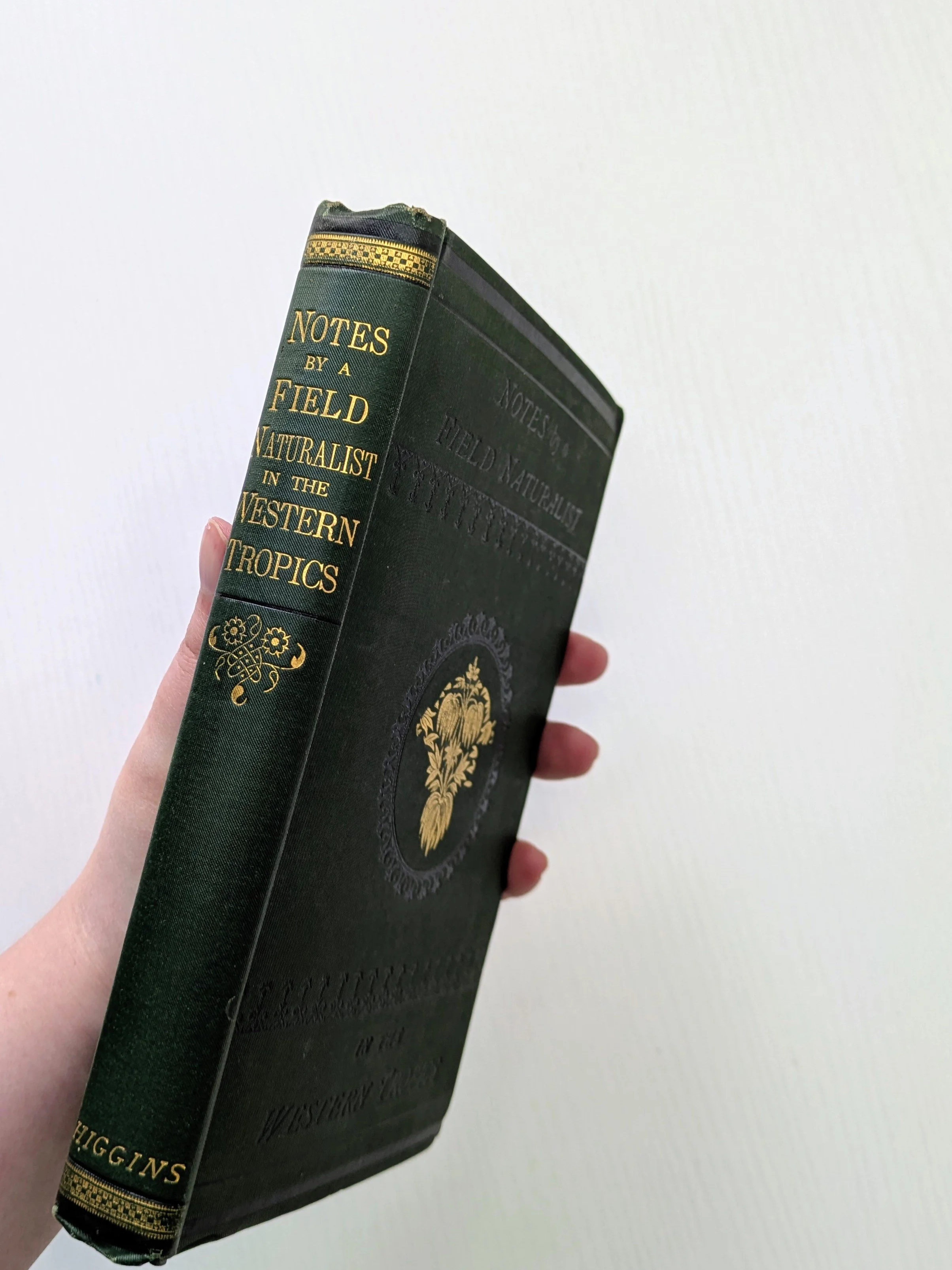
Field Naturalist, 1877
3. Examine the Book
When you research a book, the physical state of a book often reveals as much as the text. Check that the book has its original binding and dust jacket. Next, make a careful note of the condition. Foxing, loose pages, repairs, and missing plates can affect both historical interest and value. For example, the condition of a first edition Harry Potter dramatically changes the selling price.
Look For:
Binding material
Dust jacket
Signatures or inscriptions
Overall condition
4. Research the Publisher
Publishers often have distinctive styles worth investigating. For example, Routledge published Victorian yellowback books or penny dreadfuls, which are very collectable. In addition, publisher information will also help you understand the book edition.
Look For:
Publisher location
What books did they make
Typical bindings from the period
Reputation within the book trade
5. Compare Copies Online
One of the easiest ways to research a book is to compare it with other copies. An online search can let you know the going price, what it sold for at auction and what others found about the book. However, online listings are not always accurate, so make sure to carry out your own research.
eBay also lets you search for sold and completed listings. So you can use this to see what has sold previously.
Look at:
Bookseller listings
Auction archives
Abe Books
eBay, Etsy listings
6. Investigate Provenance
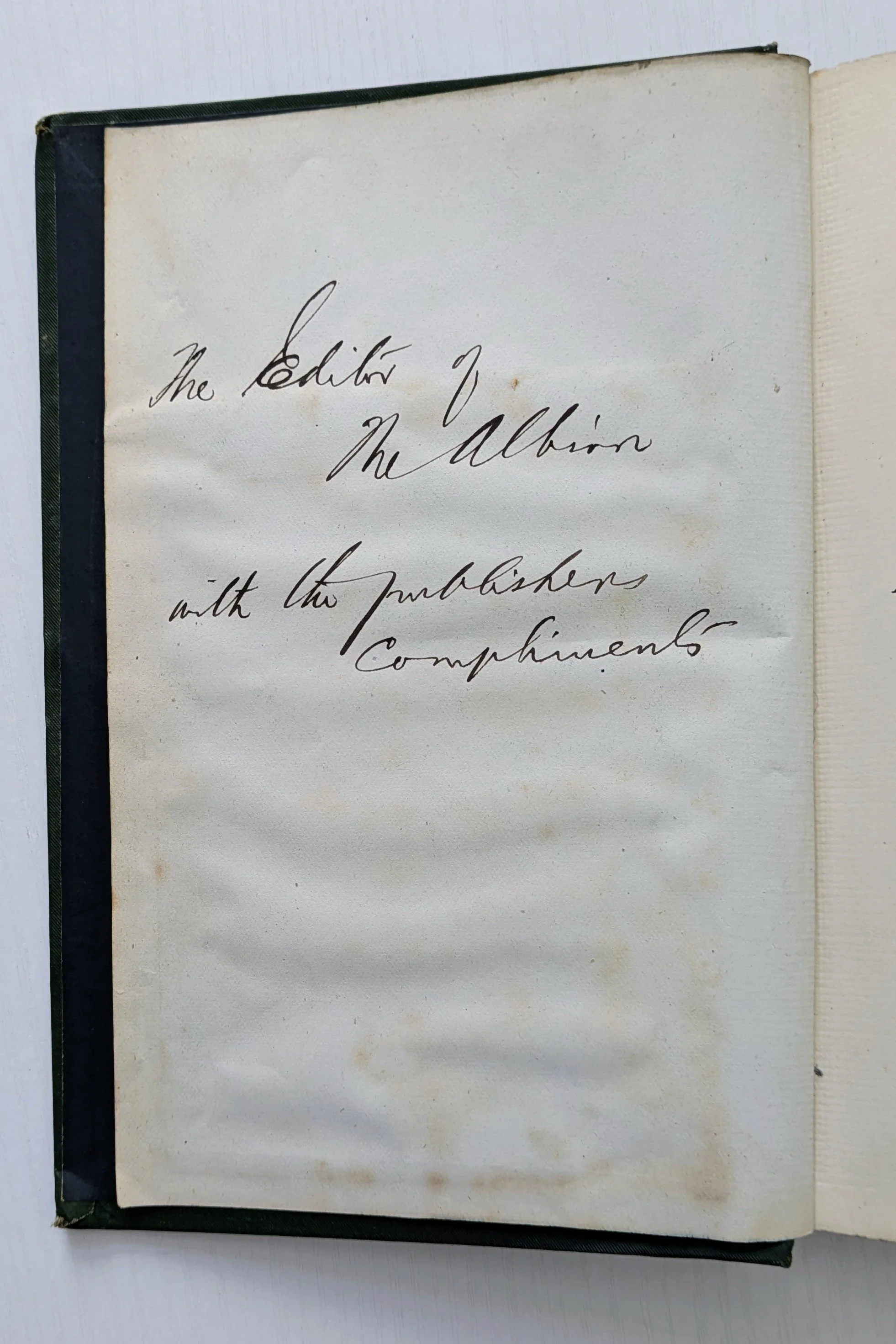
Provenance refers to a book’s ownership history. A notable previous owner can dramatically increase historical interest and value. Sometimes provenance connects a book to a famous collector, institution, or historical figure.
There are a few ways to find the history of a book. To begin with, investigate the bookplate and any inscriptions. Other marks, such as stamps and annotations, can help reveal more about the book.
For Example
Bookplates
Ownership inscriptions
Library stamps
Annotations
7. Historical Context
When you research a book, it also helps to look closely at the publishing period, as well as the political and cultural events that may have shaped its production. Books are historical objects as much as literary ones. Edwardian nature books, for example, reflect changes in public interest in science and education.
Research:
The publishing period
Scientific discoveries
Artistic styles
Political events
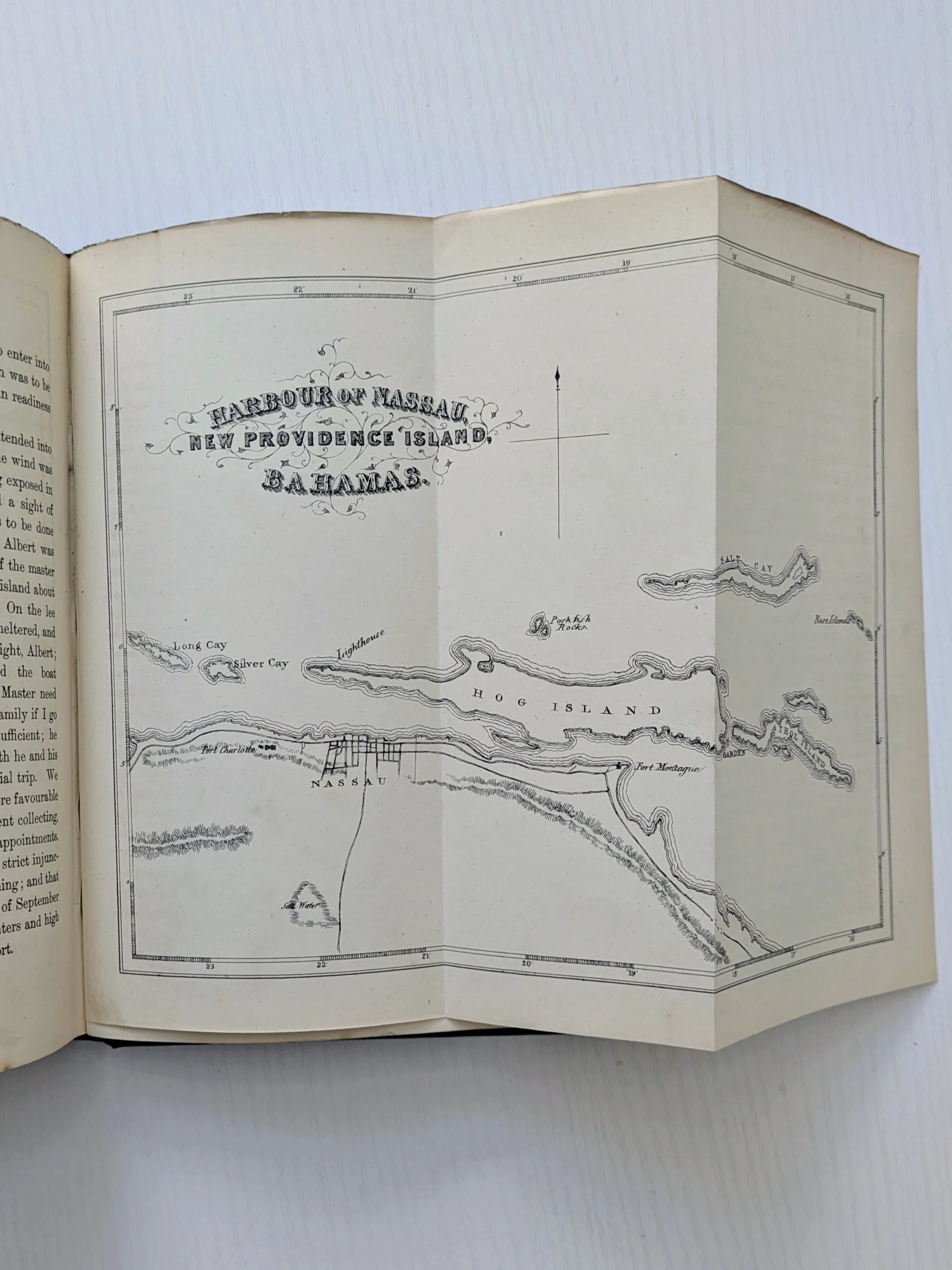
Maps & Provenance
8. Keep Notes
Good research accumulates over time. You can keep a folder of additional notes, including photographs, auction records and provenance information. Notes will help with future identification and writing accurate selling descriptions.
It’s up to you how much detail you want to go into when researching a book. Less expensive, modern books won’t require as much research. However, you might enjoy the process of discovering more about your book.
Book description
Provenance information
Detailed photographs
Historical details
Final Thoughts
Researching a book is part detective work, part exploration. Even modern books can uncover stories about publishing and the people who once owned them.
I am a new bookseller, this blog helps with organising my thoughts and what I learn. I hope this step by step guide helps you learn more about how to research a book. If you have any more advice to share, let me and others know below.