
Market Selling Case Study Hulme Hall
I have been selling at markets for 2 years.
To begin with, these markets were great because they got me out of the house while working from home. As a new book seller, these markets offer the chance to test selling without spending high costs.
Keep in mind that these are not professional/ PBFA book markets. Neither are the customers collectors. As such, people are less likely to spend a lot of money. Occasionally, high sales do happen in local markets, but you can't guarantee sales.
When I do a local market, I make between £50 and £300, with an average income of £150 per day. I do think they are worth doing as they allow you to network with local booksellers and learn how to sell directly to customers.
I hope this market case study provides info on what to expect at local markets for booksellers and other vendors. I also made a free market venders checklist.
The Market
Hulme Hall book market in Port Sunlight took place on Sunday, 26th April 2026. I also attended this market last year, where I made £280 in sales. As such, I was happy to attend and see if I could make the same again.
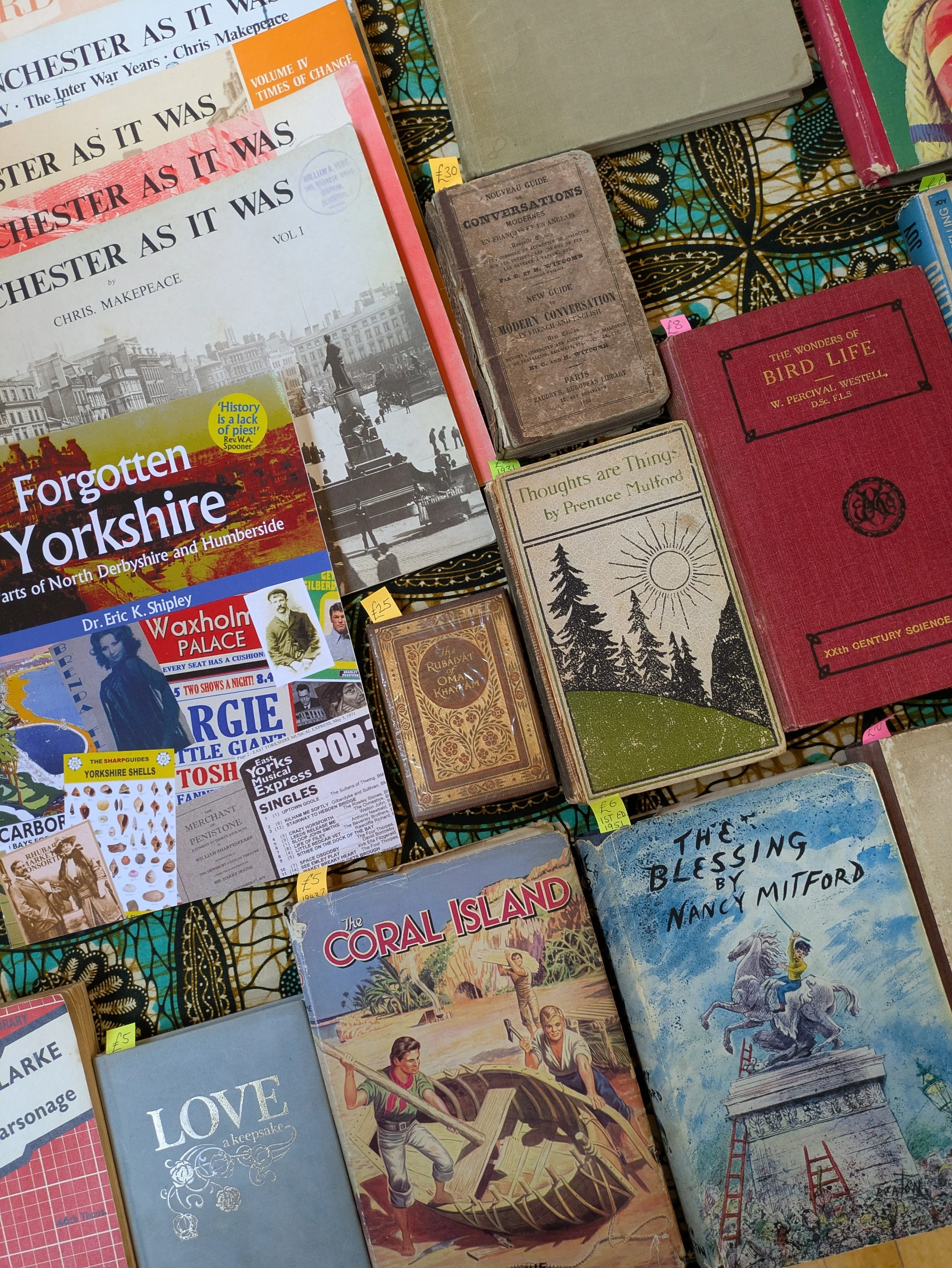
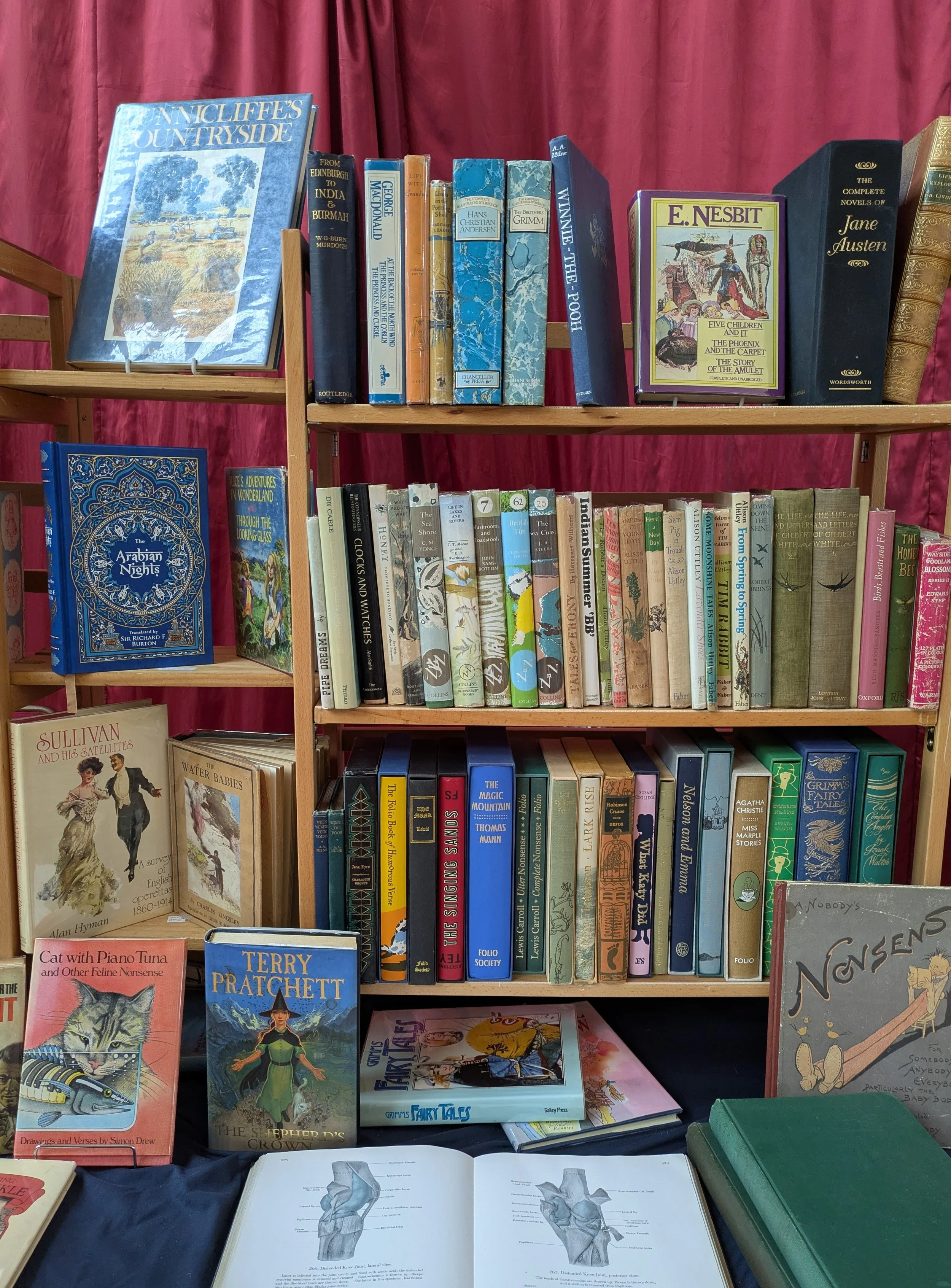
I arrived to set up at 8:30 am, and the market opened to the public at 9:30 am. I take 15 minutes to set up my stall, which I pack all in one large suitcase. Giving me the chance to look at other stalls and buy book stock.
First Sale
I always feel as though the first sale is the hardest. Especially if an hour goes by and no one has bought anything. My first sale was to a local bookseller who purchased £48 of books. I was able to recommend a few books that I knew they could sell for profit.
The next sale was to another book seller. This one is a PBFA member looking for stock. In fact, I could say that 50% of my book sales, both online and off are from other booksellers.
From 9:30am – 1:00pm, there were several sales. Making me think that this was going to build up a good day, as successful as the market last year.
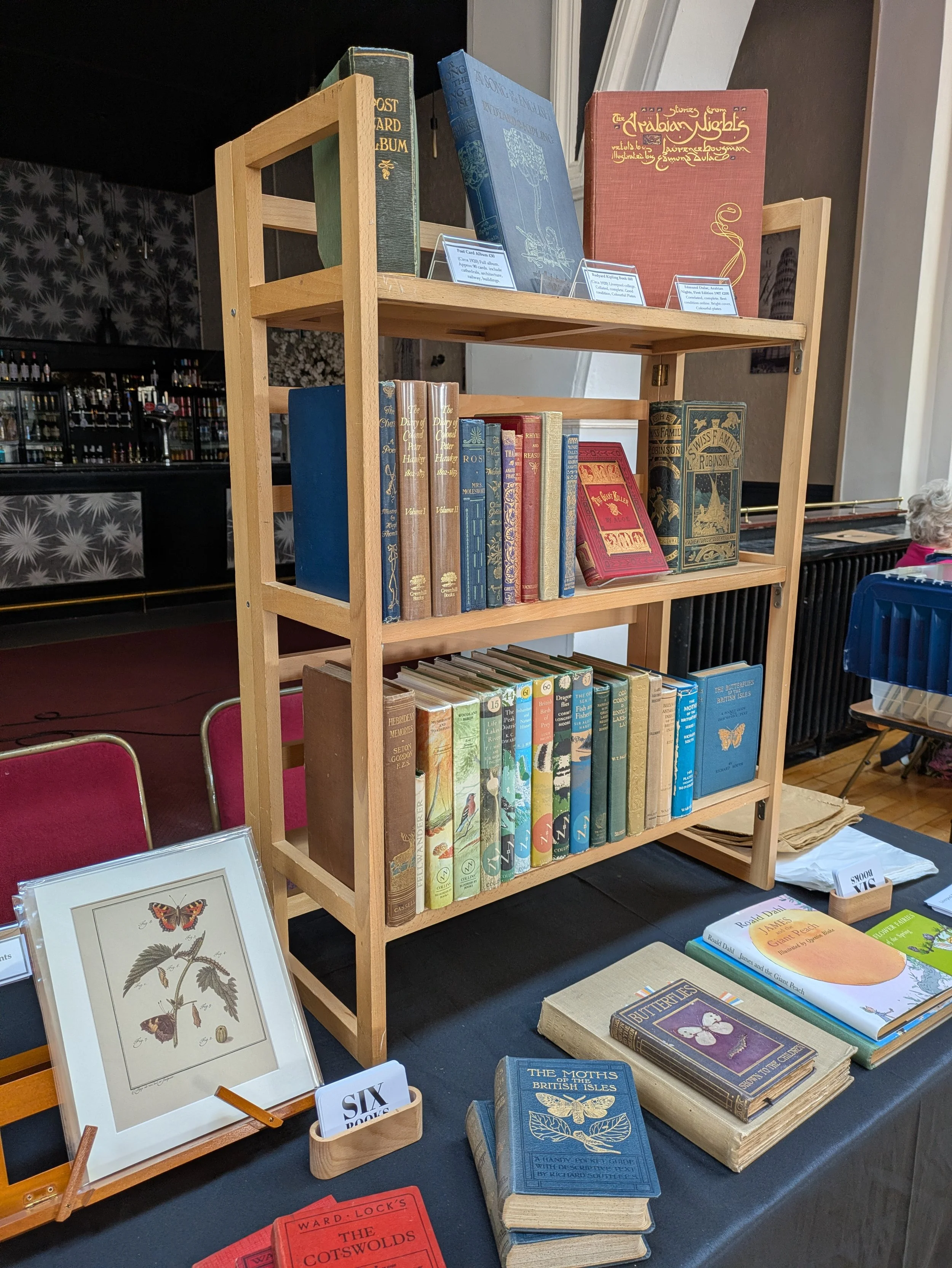
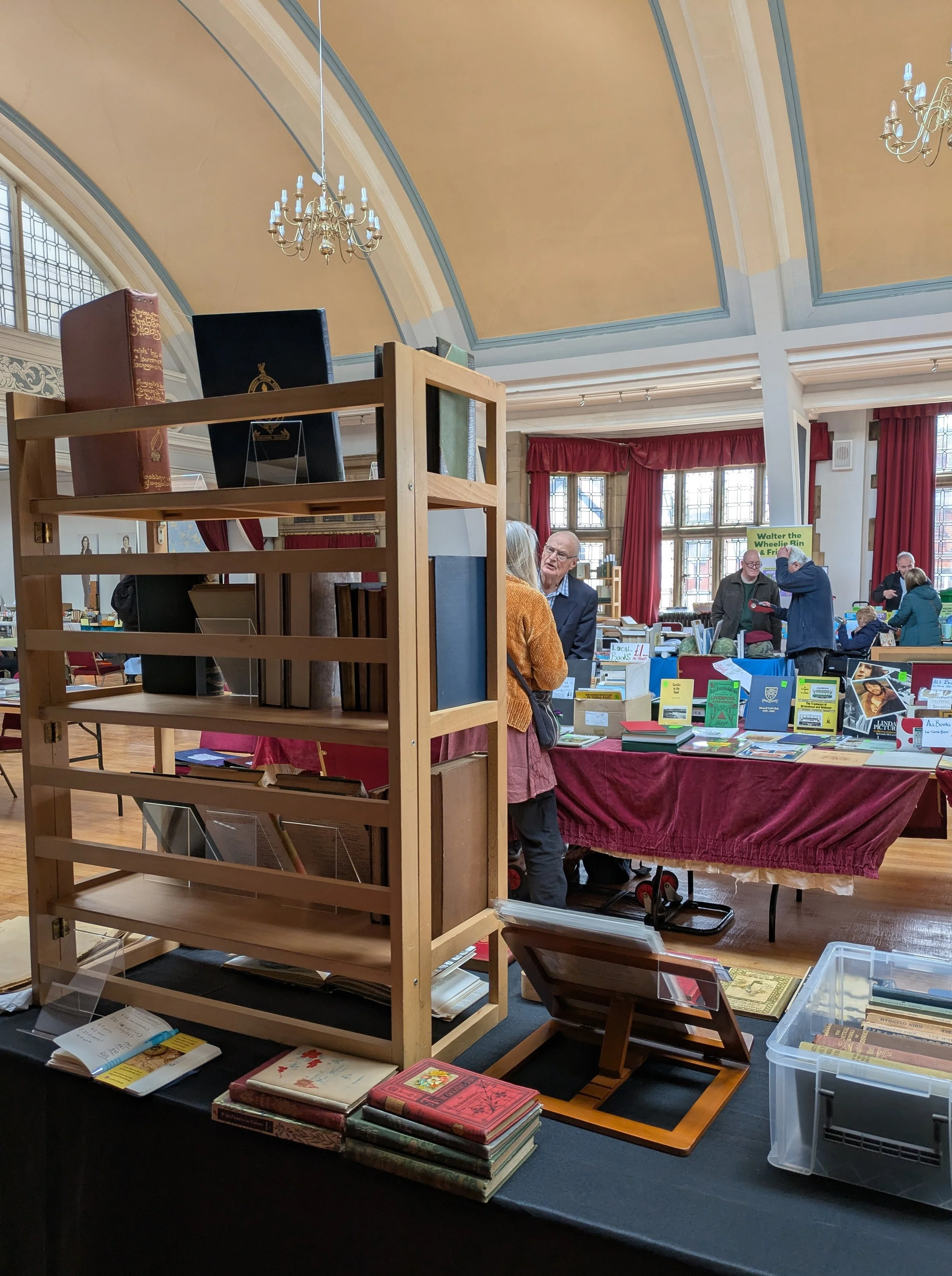
Half Way
Then, after lunch, the traffic slowed. I still had some expensive books and felt optimistic that the right person would come. However, you can’t sell at a market with no customers.
This time around, the market had less advertising and by 2:00pm there were no new customers. People started to pack up early, and I tried to stay optimistic.
The End
I packed up at 2:30pm along with everyone else. Getting a taxi back with my one suitcase and shelf was no problem. Unfortunately, this was not a successful market this time around. However, the Hulme Hall book market will run again later this year.
Even though I didn’t sell well. I still meet people, hand out business cards and bought some good book stock. Attending a market as an independent seller isn’t just about the sales.
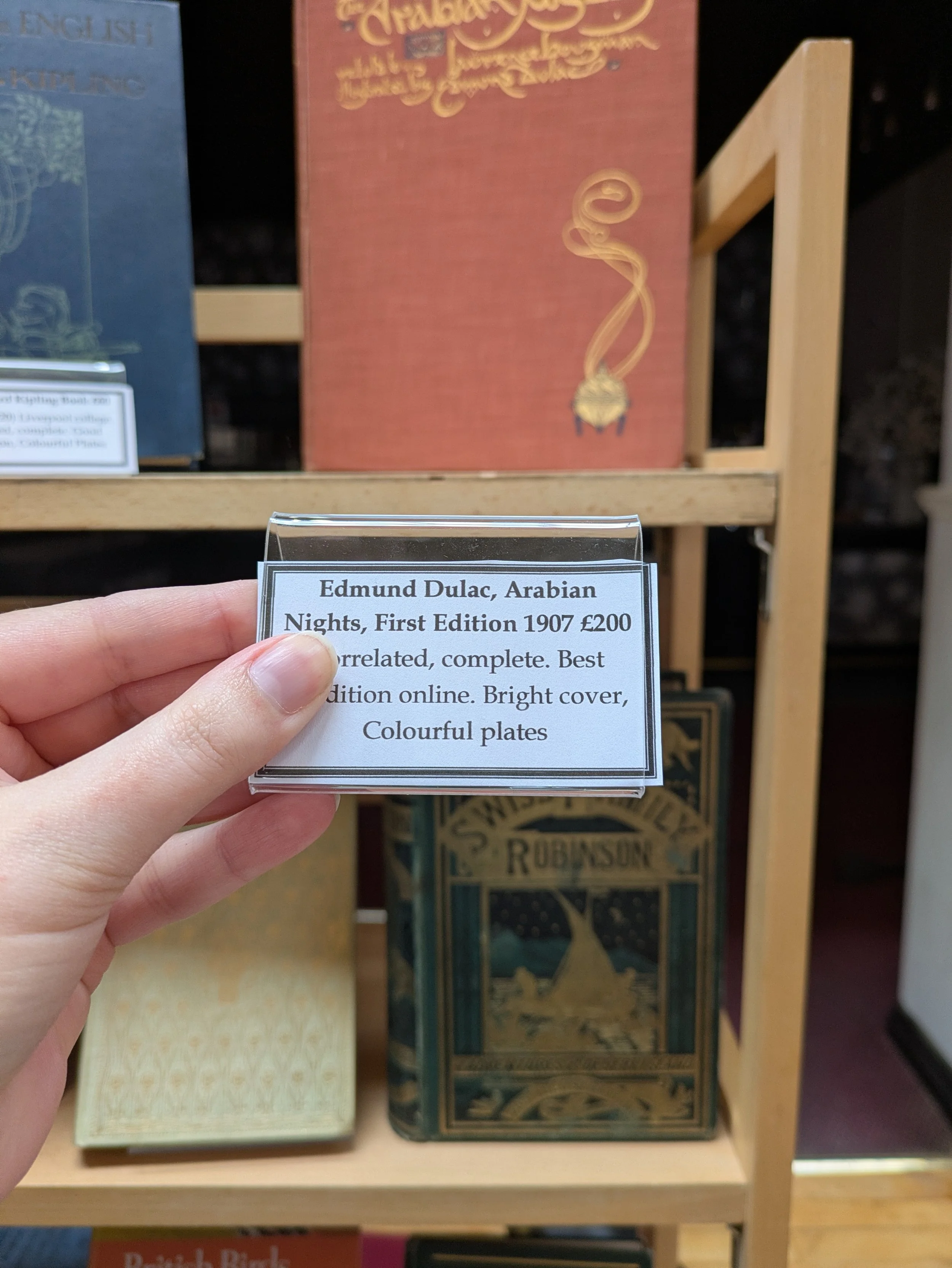
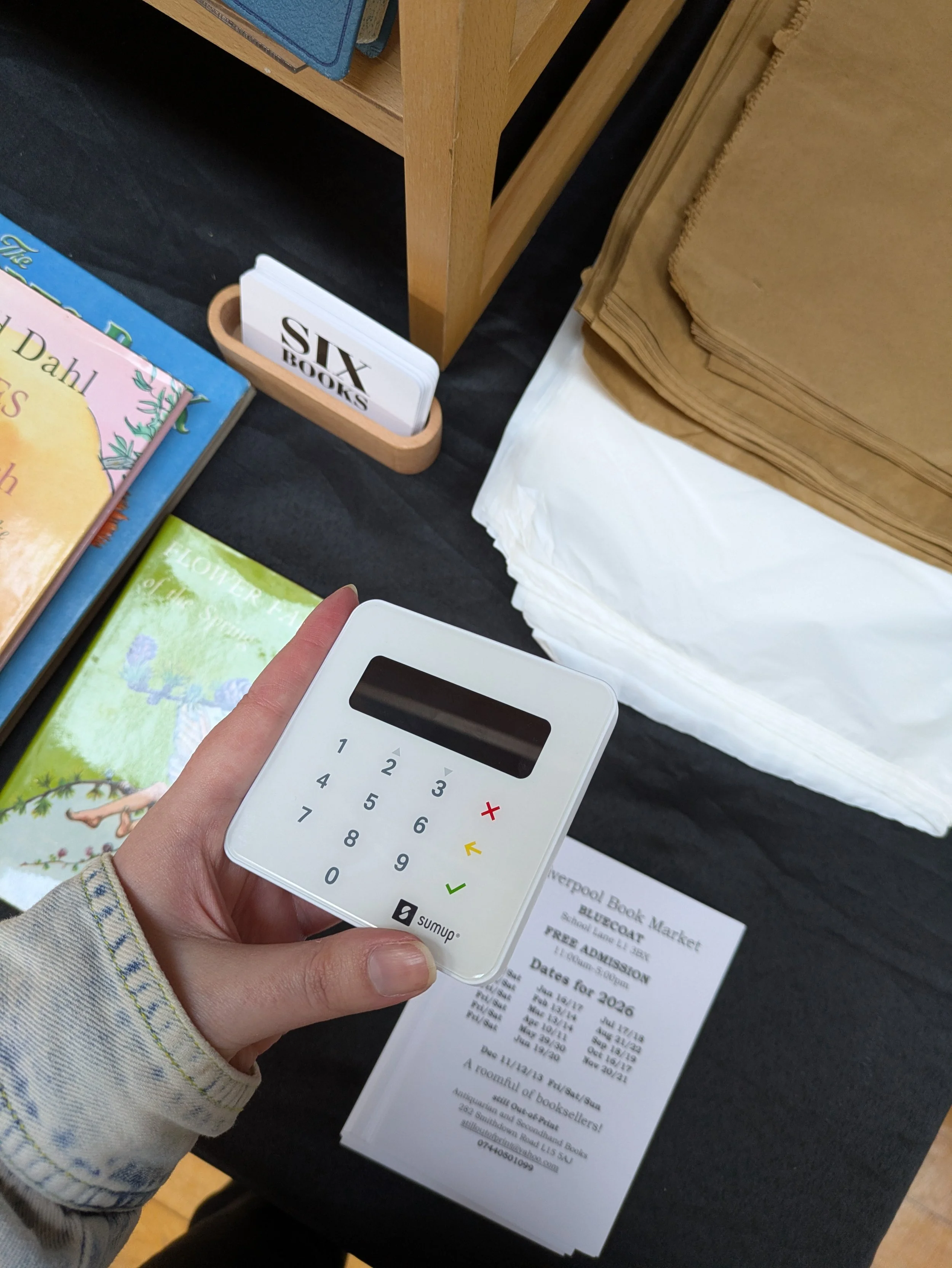
Profits
Local markets tend to have low costs, which makes them low risk. Unfortunately, I still can’t drive, so I got two taxis to the market 20 minutes each way. My total expenses were £65, and after sales, my profit was only £70.
Keep in mind, this is not my true overall profit, as I still had to buy my stock. In reality, my actual profit was only about £30.
Expenses
£25 table
£40 taxis
Sales
£135
Profit
£70
Book Buying
So, I made a low / no profit but what made up for it were some book acquisitions. Even if customers don’t buy books, I can still buy stock and make my income back later. I spent £40 on stock, which should turn around £100.
Not all local markets sell poorly. You can’t predict how a day will go, at the same market last year I made £280, in addition, I made £400 in two days at a Christmas market. Plus, whenever I make a sale, I hand out a business card which leads people to my eBay shop.
Final Thoughts
Before I attended this market, I knew I would write a case study. I think it’s good to note the reality of selling at local small markets. There is no guarantee that, even if you do everything right, you will still sell well. I hope this case study has helped provide some light to market selling. You can follow my book-selling journey @sixbookshop. You can also download a free market vendors checklist below.