
Dracula First Edition Price Guide 2026
Dracula first edition price guide.
The first edition of Dracula by Bram Stoker (1897) is one of the most sought after works in rare book selling. This gothic horror novel introduced the world to Count Dracula, shaping the popular image of the vampire.
As with all rare books, you need to ensure that you have the true first edition and not another impression or facsimile. Below, I will break down the key factors that make a first edition Dracula and other Gothic horror novels.
I have also created a free download of modern rare edition books
Dracula First Edition Price Guide
The first edition of Dracula had a 3000 book print. These true first editions have a yellow cloth cover with red text. On the title page, you will find the publisher Archibald Constable and Company, dated 1897.
Keep in mind that a true Dracula first edition has no advertisements in the back of the book. Bonhams sold a true first edition copy with a cover sticker for £10,000 in 2026. Signed copies also go for high prices, with a Christie’s signed true first edition making £29,000.
£30,000
Later Editions
The later edition of Dracula has advertisements at the back of the book. Christie’s sold a first edition Dracula for $8,000 in 2019. Forum Auctions sold a very bright copy for £12,000 in 2022. Signed books also fetch a lot more. One sold for £29,000 ($45,851). Christies sold a similar signed copy for £17,500 ($27,248) in 2011.
How to Tell If It’s a First Edition?
The first edition of Dracula will say on the title page published by Archibald Constable and Company, and dated 1897.
It has a yellow cloth cover with red lettering. The true first edition lacks the publisher’s advertisements in the back of the book. The paper is also thicker and high quality.
This video from Moon’s Rare Books looks at the different editions of Dracula.
Other Gothic Horror First Editions
Dracula, first edition, isn’t the only valuable Gothic horror novel. Other rare books to look out for include first edition copies of Frankenstein to Oscar Wilde’s The Picture of Dorian Grey. Let’s look at how to identify other true first editions.
Frankenstein
The first edition was published in 1818. Originally a three-volume series and published anonymously. On the title page the publisher Lackington, Hughes, Harding, Mavor & Jones, London. There are 500 first edition copies.
£500,000
The Picture of Dorian Grey
The first edition was printed in 1891. On the title page look for a Ward, Lock & Co. The book has grey boards with gold gilt lettering and cover design by Charles Ricketts. The first edition also has a special signed, large edition.
£5,000
Dr Jekyll and Mr Hyde
The first edition was published in 1886 by Longman Green and Co. The book originally sold as a paperback penny dreadful. The first edition hardback also dated 1886, by Charles Scribner's Sons, New York. The later UK first edition, dated 1886, has an orange cover.
£3,000
The Turn of The Screw
The horror novella originally appeared in Collier’s Weekly magazine in instalments. The hardback book was published in 1898. On the cover, it says The Two Magics. Printed in New York City with a turquoise cover.
£2,000
The Phantom of the Opera
The true first edition of The Phantom of the Opera was published in French in March 1910 by Pierre Lafitte & Cie. The first English edition appeared in 1911, published by Mills & Boon in the UK or Bobbs Merrill in the US. There is also a sort after 1920s edition with black and white plates.
£1,000
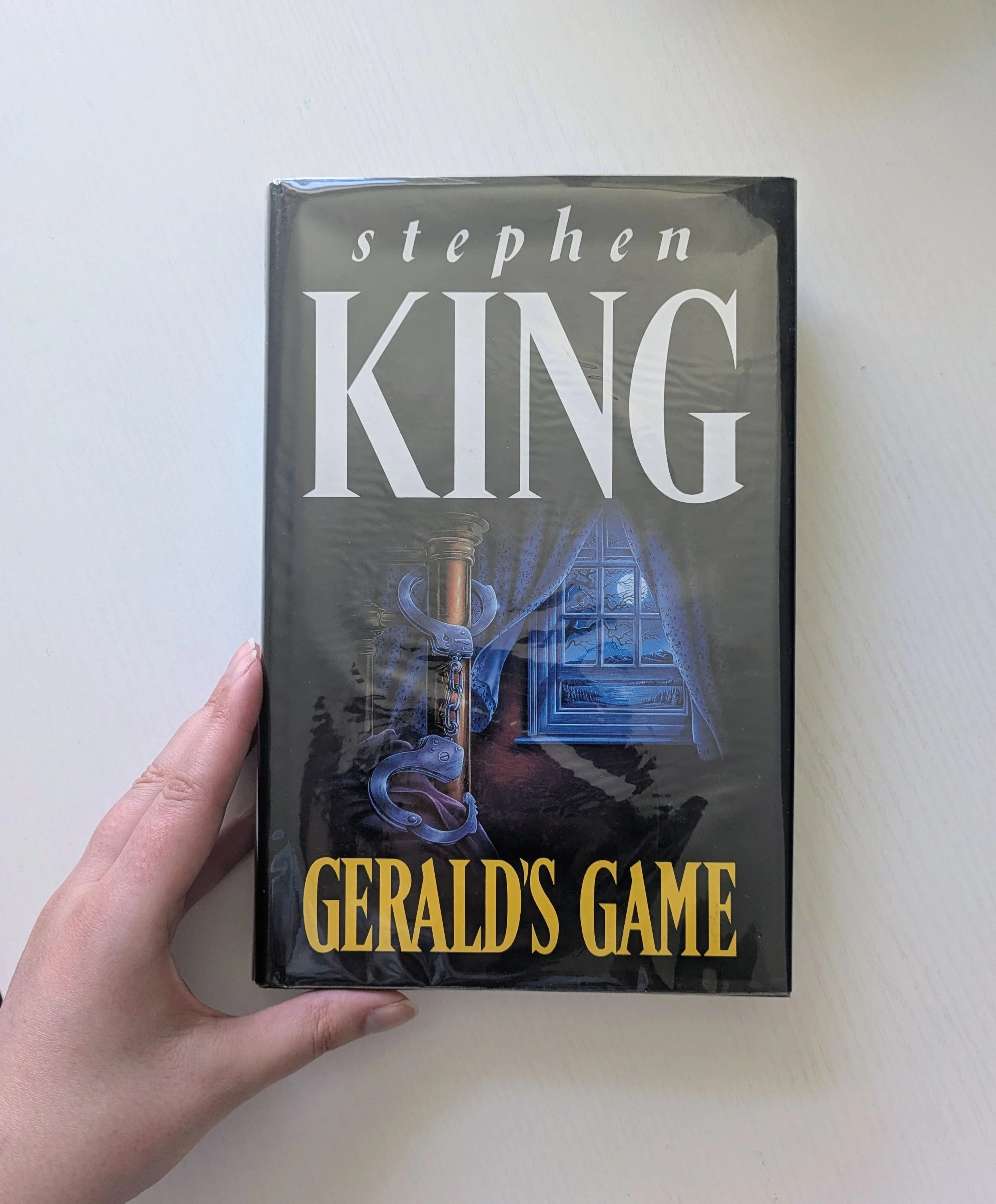
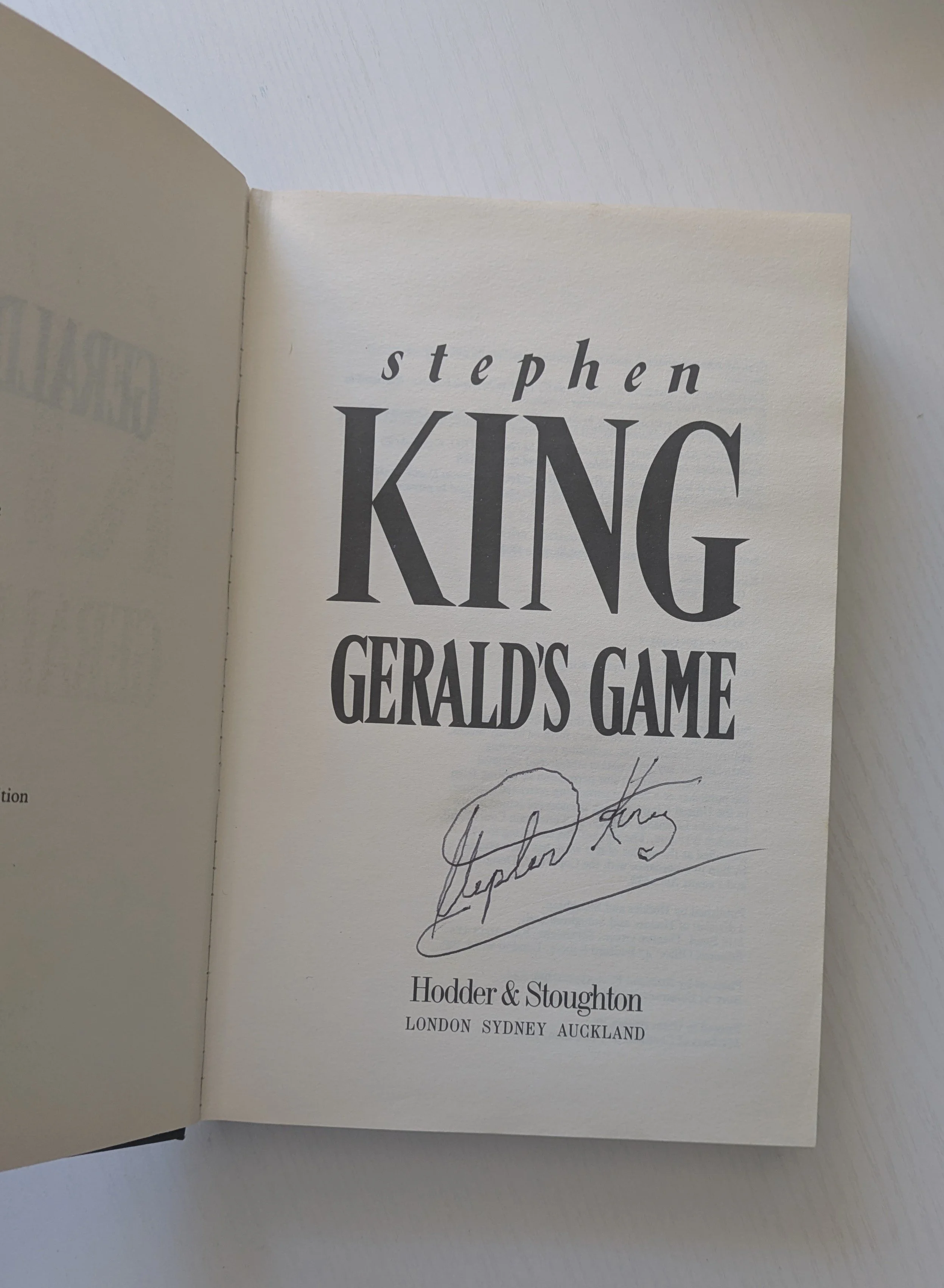
I don’t have a first edition Dracula, but I do have a signed Stephen King.
Rare Book Pricing
As you can see, rare book prices vary widely. The value of a Dracula first edition is determined by several key factors, including its physical condition, the date and publisher, the specific edition, and the overall market demand. Each of these elements influences how much collectors are willing to pay.
Condition
The condition of a rare book is one of the most significant factors affecting its value. Any damage such as stains, tears, foxing, or missing pages can dramatically reduce a book’s price. As such books in good condition will fetch a higher price. Ultimately, the closer a book is to its original state, the more likely it is to sell at a higher price point.
Edition
Some books will also have a variety of print runs and editions. For example, do you have a true first edition or a later American first edition. You can see this distinction in the market for first edition Harry Potter books, where prices differ based on the publication date and specific edition.
Market Demand
Lastly, the current market demand will impact the selling potential of a book. Modern first editions can gain high prices if there is renewed public interest. For example, new adaptations in film and television. As such, collectors and sellers must keep a close eye on trends and shifts in the rare book market. You can also find advice in my beginner’s guide to buying rare books.
I have also created a free modern first edition price guide, download below.
I hope this blog post has helped you understand the price of a Dracula first edition book. I’m a new bookseller, if you have any questions or advice to share on rare books let me and others know in the comments below @sixbookshop
Natural History Books Collectors Guide
Natural History Books – Collector's Guide
Collecting books on natural history is a fun hobby. Whether you love their illustrations or are intrigued by their content. There are many subjects and collections you can find, either with a low or unlimited budget.
To begin with, there are lots of reasons to collect rare books. You might wish to preserve knowledge or create a personal library that reflects your interests. In this blog post, I will look at how to start a natural history book collection with advice on what to buy. You can also find a list of book collecting ideas below.
Natural History Books
When you start collecting natural history books, you might wish to follow a theme. For example, you could focus your collection on butterflies. You can explore a specific subject in depth. However, it’s not necessary to have a theme or to complete a book collection. Whether you follow a theme or not, the most important thing is to enjoy the process and let your personal interests guide you.
You might also need to decide if you want new books or antiquarian. Older books may lack the latest insights. On the other hand, antique books have exceptional plates and quality. Of course, you can have a varied collection.
Natural History Categories Examples –
Botanical
Wildlife
Birds, Ornithology
Insects, Ethicology
Fungi, Mycology
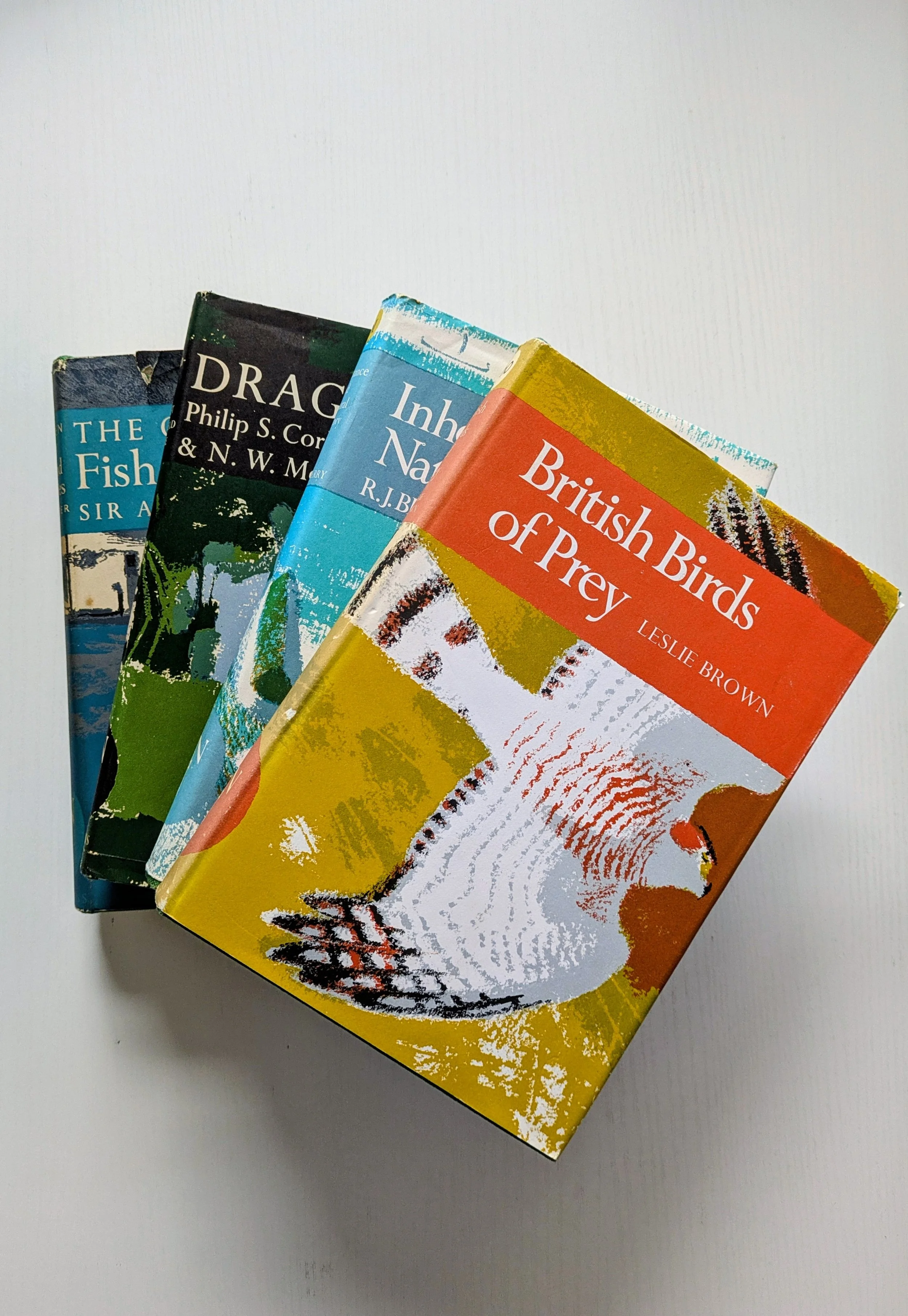
New Naturalist Book Collection
Natural History Book Collection
It’s also possible to start a natural history book collection with a limited budget. Some budget collections include New Naturalist and Wayside & Woodland. They are easy to find, fascinating reads, and look great on the shelf.
You can also start a collection on a specific writer. I personally enjoy reading Alfred Wainwright's walking books, or you can even build a collection of Charles Darwin's works. Many natural history book collectors also buy prints and original plates.
How you design your collection will depend on your personal interests. Below, I have a list of book collecting ideas and books on natural history to help you start.
Budget Natural History Books –
New Naturalist
Observer Books
Ladybird Nature
Wayside & Woodland
Shown To The Children
Popular Books On Natural History –
Familiar Wild Flowers
The Natural History of Selborne
Birds Of America
The Naturalist's Library
Curtis's Botanical Magazine
Natural History Writers –
Morris Rev. FO
Gilbert White
Charles Darwin
Eliza Gleadall
Mrs Gatty
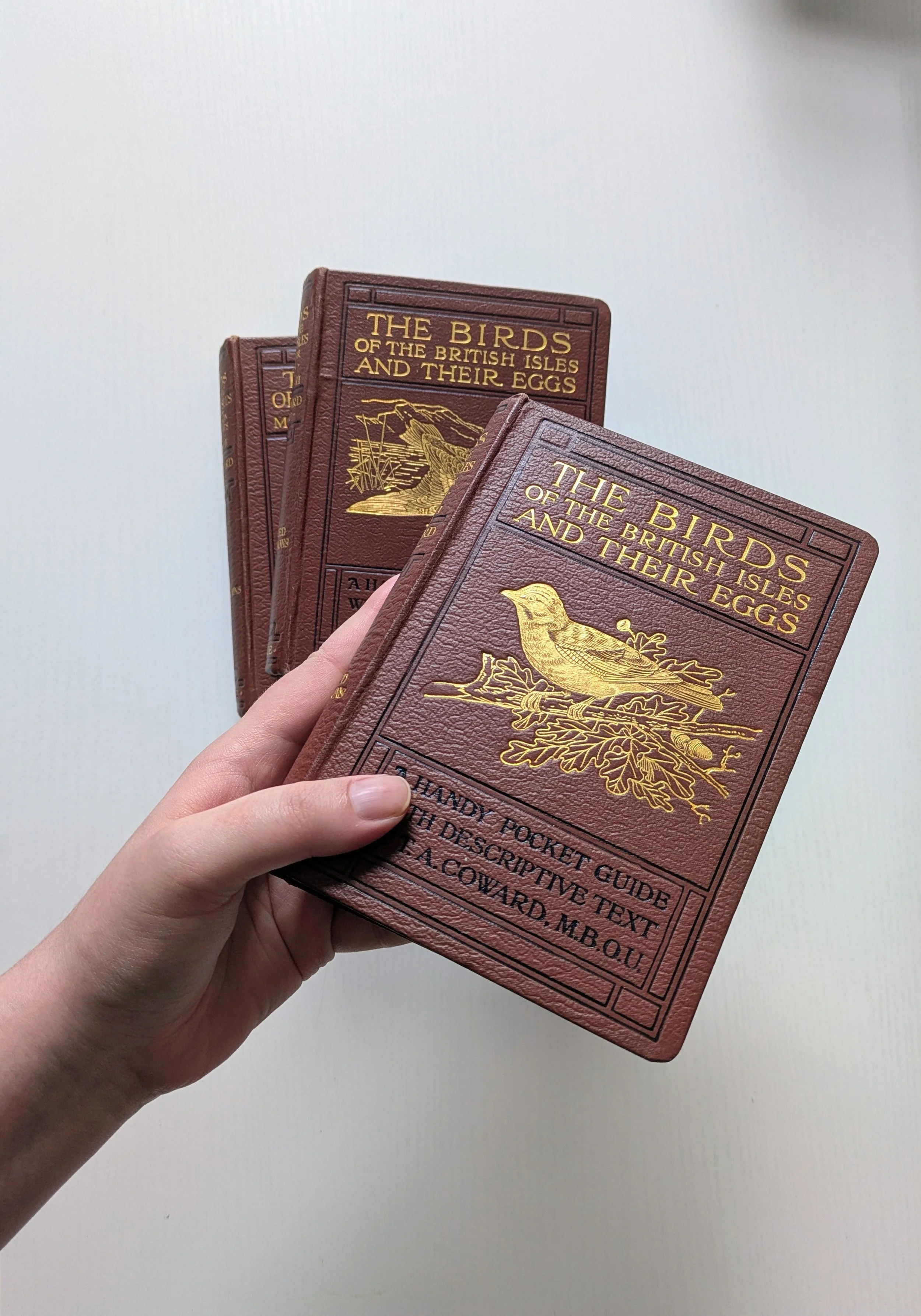
Wayside & Woodland Books
Buying Natural History Books
There are lots of places to buy rare books, including eBay, second hand bookshops, book fairs and auctions. Before you buy a book, check the condition. Does the book have its original dust jacket, is it in good condition?
When collecting books on natural history, check that there are no missing plates. In the 80s and 90s, there was an increase in people pulling colour plates out of books. As such, make sure to count the plates before buying.
Natural history booksellers can help you build your collection. You might find a local seller with a Google search. In the UK you can use the PBFA website to find book sellers. I also have some budget books in my eBay shop.
If you have the budget, then contact well known antiquarian bookshops (for example, Peter Harringtons). These can help you find books for your collection. These larger shops will also have a list of stock on their website.
Lastly, book collecting is an addictive hobby, so it’s a good idea to have a budget. Perhaps stick to a set monthly spending limit or a budget for your entire collection. If you don’t do so, you might end up like me, an accidental bookseller who spends £1,000 a month on books!
Displaying Natural History Books
When you display your book collection, keep them on a shelf and upright. It’s important that you don’t have your rare books in direct sunlight, as this will cause UV damage.
To ensure your books last in the best condition, gently clean the shelves and dust the books. In addition, maintain a controlled environment with consistent temperature. Especially important if you collect very rare old books.
Sharing your book collection online can help you connect with fellow bibliophiles. In my experience, Instagram is an excellent platform for posting book photos. However, you can also find a community on Reddit or Facebook.
Your Book Collection
Your collection is about you. It reflects your interests, tastes, and passions. Whether you prefer a minimalist look or a vibrant display. You can also personalise your display using creative lighting and unique display shelves.
Furthermore, you might choose to display your books open to beautiful plates. Ultimately, what you collect and how you present it should bring you joy. So, feel free to experiment until you find what makes you happy.
Thanks for reading. I’m still a new book seller, so if you have any advice on collecting books, please share it in the comments.
Instagram @sixbookshop
How To Start Collecting Rare Books Guide
Collecting rare books was once limited to wealthy men, but it's now becoming more diverse as people turn to reliable information and physical media.
It’s also a lot of fun! After starting to sell and buy books, I’ve travelled, met a lot of interesting people, and found some treasures.
The guide below covers the basics of starting to collect rare books and the steps involved in building one. I have also created a free list of book collection ideas to help beginners start collecting rare books.
Collecting Rare Books
Book collecting involves finding, organising and displaying books. Collecting rare books begins with your passions and interests. While some collectors organise their books by a theme, it's not necessary to have a focus.
For example, natural history, science fiction, historical events, or the works of a particular author. Most of all, your enthusiasm will make the process of finding, displaying, and caring for rare books will make your hobby more fun.
Book Collection Examples –
Natural History, Botanical
Science Fiction, 1960s Pulp
History, French Revolution
Style, Art Nouveau
Author, Ian Fleming
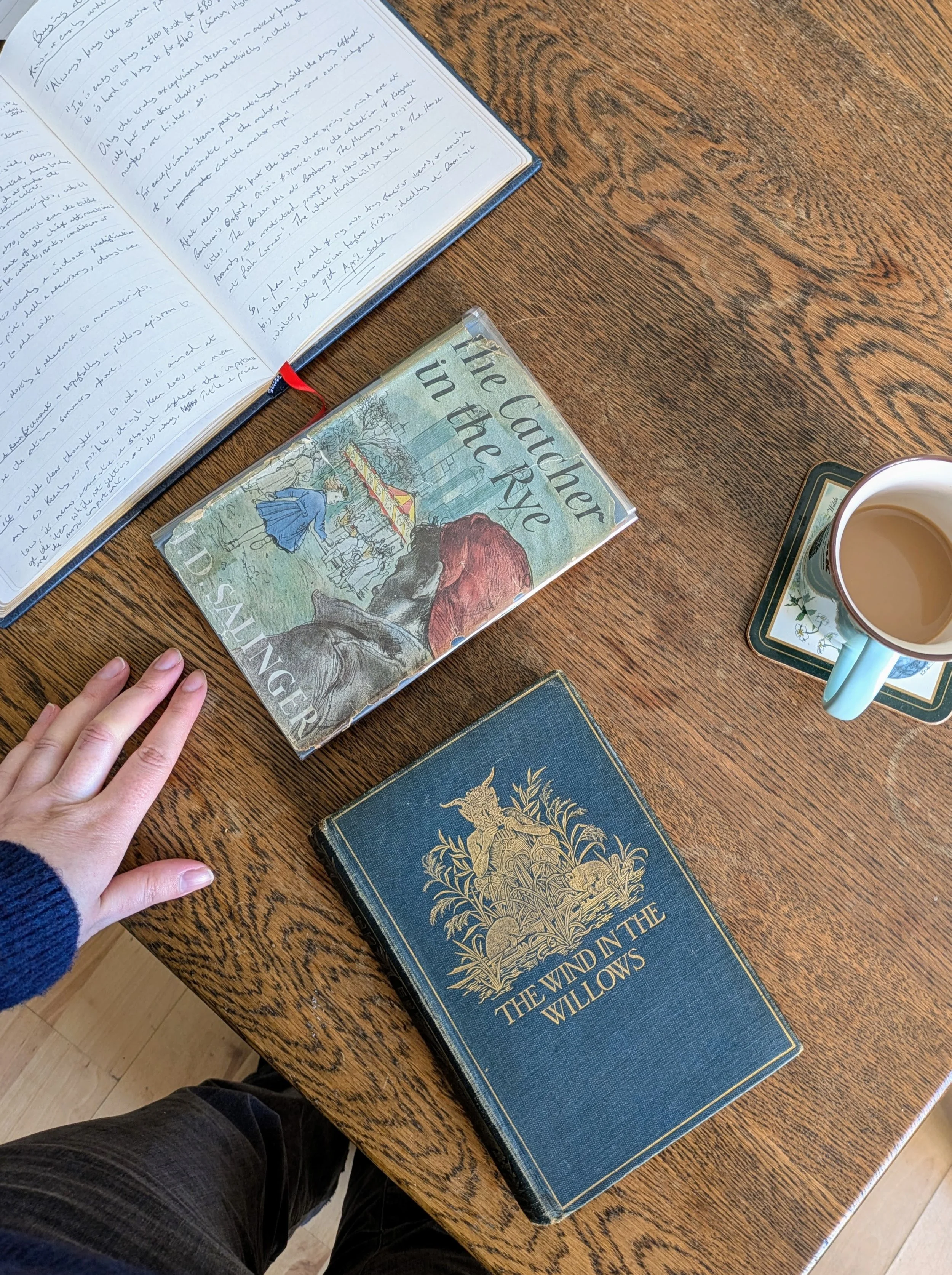
Books I Found 2025
Book Collecting Inspiration
Finding inspiration for your rare book collection can start with social media like Pinterest and Instagram. These sites can help spark ideas for new themes, genres, or authors. In addition, book markets and local libraries can introduce you to new books and offer ideas for book displays.
Examples of Rare Book Collections –
Honey & Wax Book Collecting Prize
The ABA National Book Collecting Prize
How to Buy Rare Books
When buying rare books, start with a budget and consider whether you want to focus on a particular series, author, or theme. Gain inspiration from social media, book markets, and libraries to create your collecting interests.
Aldo, pay attention to the condition of each book carefully. To start collecting rare books, explore rare book fairs, specialty book shops, auction houses, and online sites like AbeBooks. Remember to research sellers and request details on the condition.
Rare Book Buying –
Auctions
Rare book fairs
Rare book shops
Websites, e.g. AbeBooks
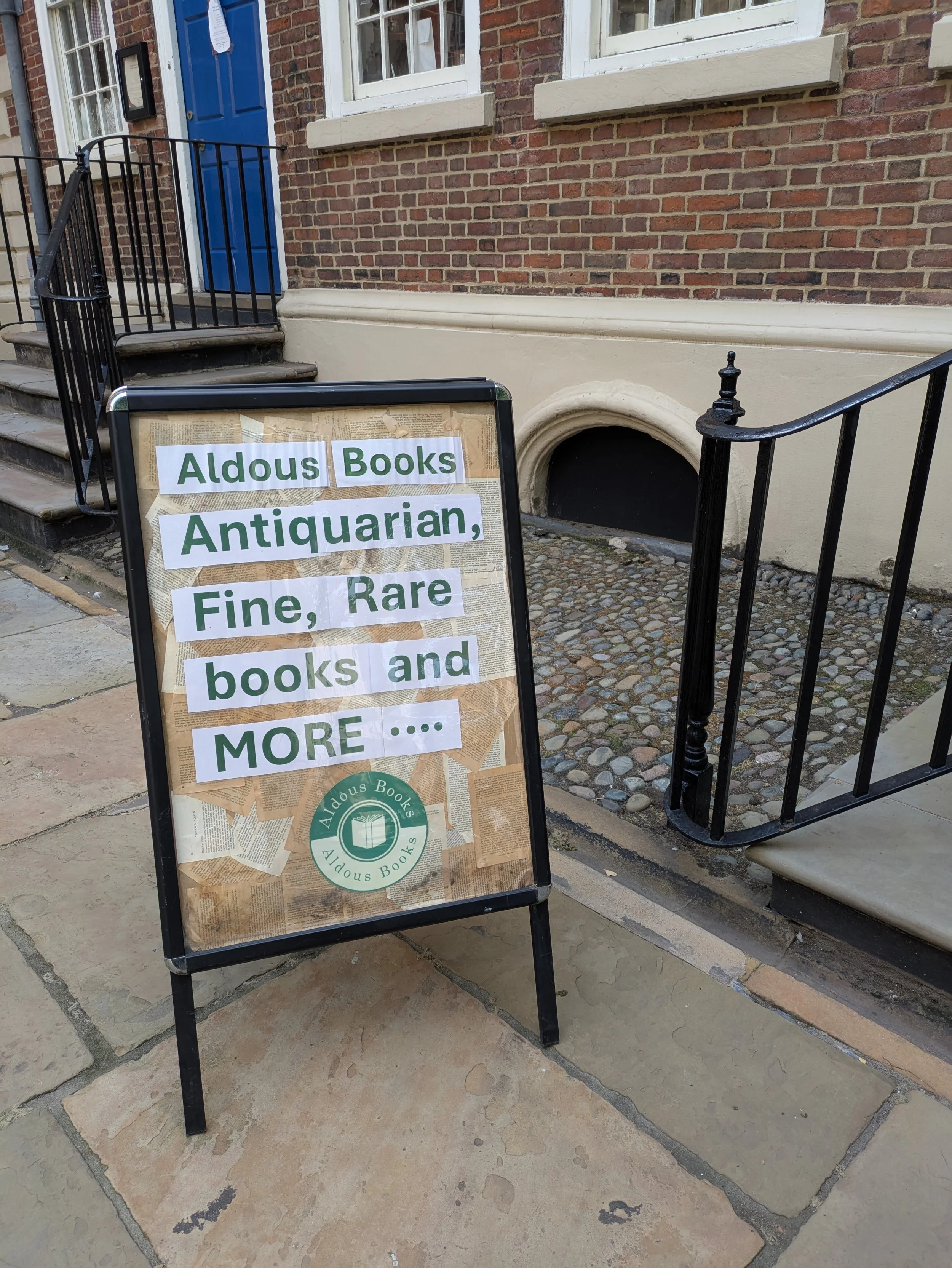
Antiquarian Bookshops
Storing Rare Books
Storing books properly helps preserve your book collection for future generations. Keep books away from direct sunlight, drastic temperature shifts, and especially moisture. Ideally, books should be kept at about 20°C in a typical English climate.
Water damage from leaks is more hazardous to rare books. For very rare or valuable books, custom boxes or clamshell cases help shield them from light and air. You should also try to keep your books upright on a shelf.
Storing Rare Books –
Keep away from direct sunlight
Don’t keep in damp rooms
Display upright on a shelf
Displaying Your Rare Books
First, place your books upright on shelves to prevent warping. As mentioned, avoid exposing them to direct sunlight or humidity. Consider using glass cabinets or custom cases to protect your collection. Or a basic wooden bookshelf, you can also display books open on it or even use props.
If you prefer privacy, you can keep your collection to yourself, but showcasing your books online can help you connect with other rare book collectors. I have found a great community of booksellers online.
How I Find Rare Books?
I find rare books through a variety of sources. Auctions are a great way to find unique and valuable titles, but be aware of auction fees. Job lots sometimes contain unexpected treasures, and they let me buy a group of books in bulk.
Secondhand bookshops are good for browsing the shelves and conversations with knowledgeable shop owners. Occasionally, I make house calls, visiting private collections, which can reveal rare editions tucked away in personal libraries.
You can also attend book markets, which are great for finding rare books. You can find these locally or explore the PBFA website.
I hope this blog post has helped you begin collecting rare books. I am still new to book selling and collecting so if you have any advice to share let me know below.
Buying Rare Books Beginner Guide 2026
A guide on how to start buying rare books.
There are two types of people who buy rare books. First, collectors are looking to buy in the best condition at a fair price. Second, the book seller sells books for trade and profit. Both can buy rare books the same way.
It’s always good to search in a few places to get a range of price points. Additionally, looking in multiple places exposes you to a wider variety of books.
Let’s start with the basics.
Buying Rare Books Guide
If you’re just starting out in the world of rare books, knowing where to buy is key. You can find rare books in several places. Exploring a mix of these sources will help you build a collection that fits your interests and budget.
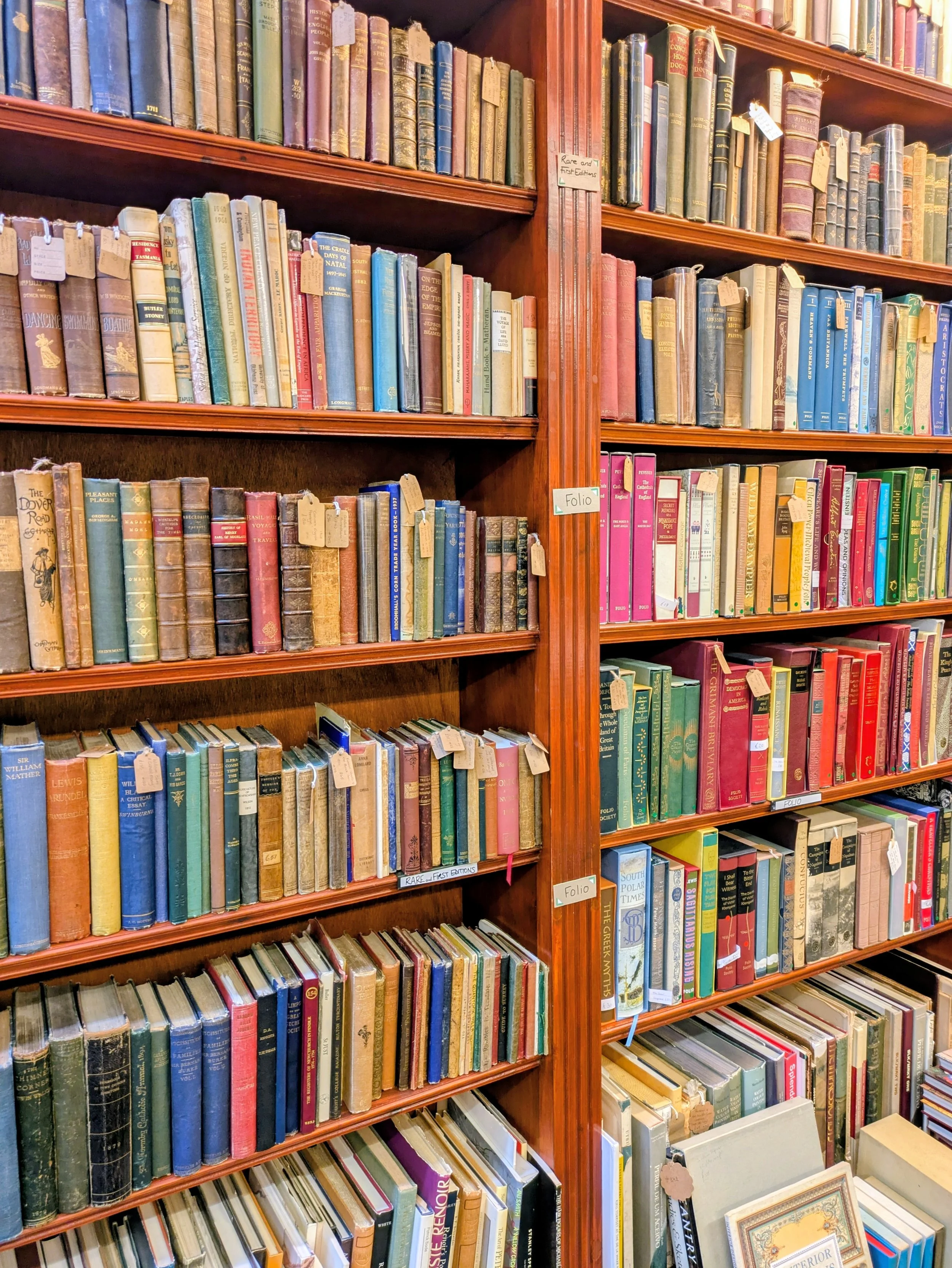
Aldous Books, Liverpool
1 Online
First, as I’m sure you know, online is the easiest way to start buying rare books. There are three rare book websites eBay, AbeBooks and Etsy. These sites all ship internationally and have a wide range of booksellers with stock in different genres and subjects.
You can start your rare book search online, which will give you a general idea of what’s on the market. As well as the prices to expect. You can also save searches on eBay and wait for the book to get placed on sale.
eBay
Etsy
Abe Books
2 Bookshops
Next, we have second hand and antiquarian bookshops. If you have a specific book you're looking for, a local bookseller can help with your search. Many bookshops offer a service to help you buy rare books, for which they might take a small fee.
Second hand bookshops are also a great place to find rare treasures. If you don’t have a specific book in mind, you can explore unknown books and maybe find something special. I could happily spend hours in my local Liverpool Bookshops.
Local second hand bookshops
Specialist antiquarian bookshops
3 Book Sellers
These days, most booksellers don’t have shop fronts. Instead, they work online or hidden away in second floor offices. Some rare book sellers still offer 1-1 services for finding and selling rare books. In the UK there are two main bookseller organisations, PBFA and the ABA. Their websites have a list of booksellers, so you can find a local bookseller to help with your search. You can also search for booksellers in your region.
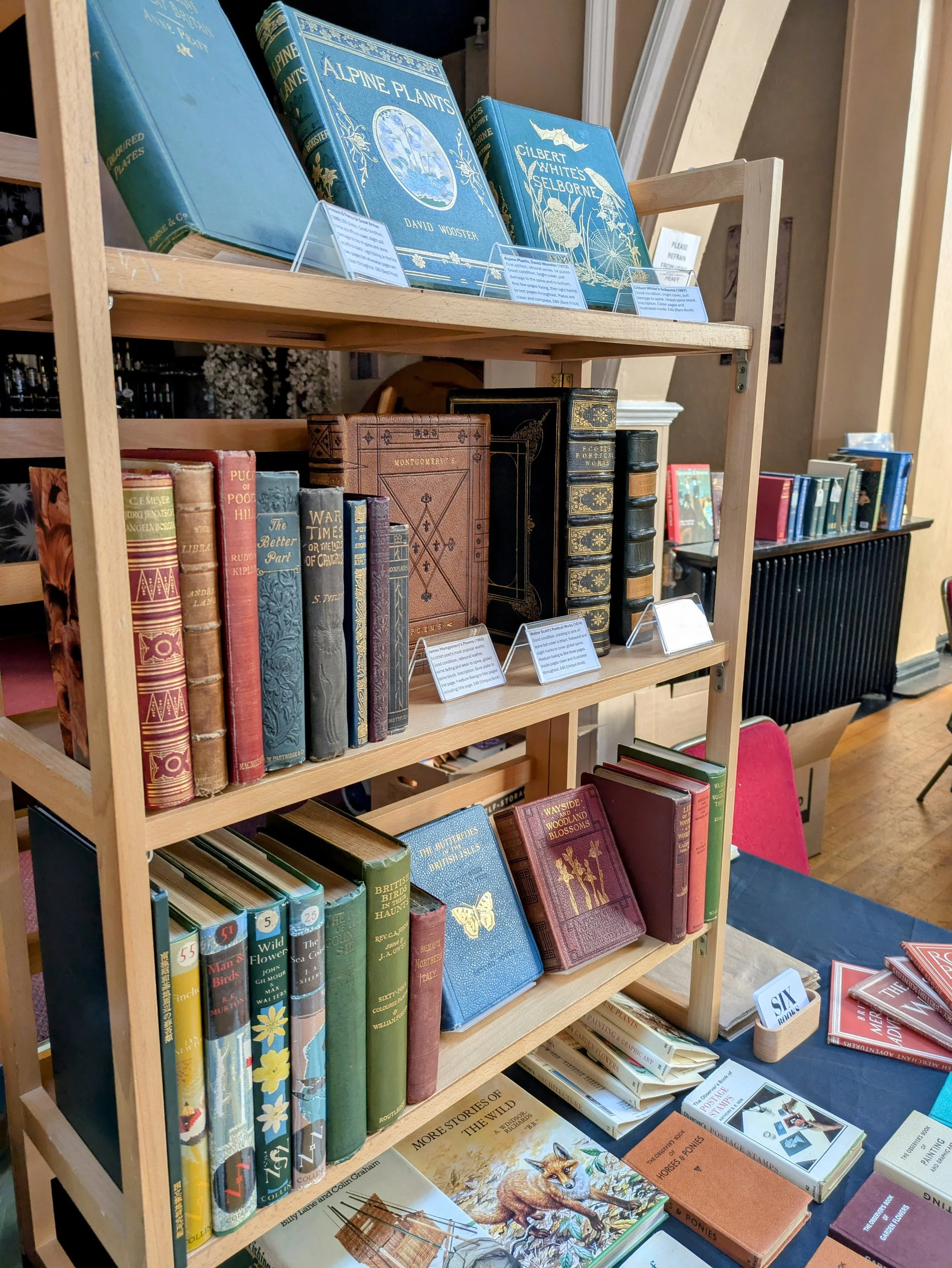
My Books at Hulme Hall Market 2025
4 Book Markets
There are book markets and fairs across the country that sell only antique books. In the UK you can find a list on the PBFA website. You can also search for local book and second hand markets that are outside of the organisation.
You can also start buying rare books at markets, they might from craft markets, antique fairs and mid-century markets. There is no saying what you will find and you might not find what your looking for but it is a fun way to enjoy buying books.
Book markets
Craft markets
Antique markets
5 Auctions
Another way to start buying rare books is at auctions. There are large book specialist auctions such as Forum Auctions or Dominic Winters UK. However, you can find good deals at local auctions. The website Sale Room as a list of auctions big and small.
Alternatively, you can search for local auctions online and attend their live viewings. Although most auctions now feature online bidding, you can attend in person for the full experience. As a bonus, you don’t need to pay for postage fees to deliver your items.
Local Auctions
Sites saleroom.com
6 Private Sellers
Lastly, you can buy rare books from private sellers. If you are buying books as a bookseller you might call this a house call. Typically, a homeowner wants to sell a large quantity of books either to downsize or because someone has passed away.
If you work in a bookshop, you will find that people will visit frequently to sell books. I have also attended a house call after meeting a private seller at a market. These are a good way to stock, but there is no saying what books you will find.
House calls
Family/friends sales
Buying as a Collector
When buying rare books as a collector, you focus on finding items that hold personal significance, historical value, or unique appeal. To find these books, collectors can attend auctions, local sales, or connect with private sellers. Unlike booksellers, they are motivated by passion, the thrill of discovery, and the desire to build a collection. For example, children’s collectible books.
Buying as a Seller
When buying rare books as a bookseller, your goal is to find items that will appeal to your customers and generate profit. Booksellers can find rare books through house calls, local auctions, markets, and connecting with private sellers. These methods allow you to stock a diverse selection. Unlike collectors, booksellers are motivated by market demand and the business of finding inventory for clients.
I hope the above blog post has helped you understand where to start buying rare books. As a new book seller I am still learning the trade, if there are any places I have missed on this list, let me know in the comments. Instagram @sixbookshop
Selling Vintage Books as a Side Business
Selling vintage books is a fun way to make extra income online.
You can sell any second-hand goods online, but it's best to choose something that interests you, whether that is books, fashion, comics, or Pokémon cards.
If you want to turn this into a real business, you need to treat it like one. This means spending time setting up your online shop, taking high-quality photographs, carefully posting orders, and replying to questions.
~~~
I make taking images simple and professional by using a photography light box and Adobe Express to make a clear white background. You can find examples on my eBay shop. While you might use props and colour backdrops.
~~~
One problem with books, compared to other items, is that they have varying conditions. You need to list all faults and provide information on the publisher. The free download below can help you with how to label rare books.

Liverpool Book Market, 2025
1. Local Markets
Although this blog post will look at Selling Vintage Books online, it is worth mentioning markets. Selling at markets, such as a craft fair or a specialist market, can make a profit.
I make anywhere from £50 to £300 a day from a local market.
Markets are great for building up your business. You can hand out business cards with links to your website and social media profiles. You can also use markets for collecting email subscribers and talking to customers face to face.
The trouble with selling at a market is that it is exhausting, often long days lifting and carrying stock, then interacting with the public.
They work best if you have a car and some help. You could try a few local markets to see how it works for you.
~~~
2. Online Websites
Retail is now predominantly online. Given that you probably have another full-time job, it makes sense to dedicate time to an online business. Unless you already have a large online following, you should consider using a retail platform.
Below are three major websites for selling vintage books and selling rare books online. The platform you choose depends on your customers and the type of stock you have. All of these websites take 10 – 20% commission per sale.
Etsy
To start, if you are selling vintage books, Etsy is a great platform. The type of books that sell well on this site are gift books and personalised items.
Even though Etsy is more of a craft website, there is a growing book community. You can search Etsy to see what type of books sell well and if this applies to your stock.
Best for –
Gift Books
Stylish Books
Handmade books
eBay
If you’re looking for a large audience eBay is the biggest re-sale website. It’s best for general stock, large online shops and international shipping. You can also use both buy now and auctions to encourage sales.
Like all these websites, eBay takes a profit cut per sale, but it is a great way to start your book-selling career.
Best for -
Auctions
General Stock
International Sales
Abe Books
Another website to look into is Abe Books, a website dedicated to only selling second hand books. They have a smaller audience than the others but seem to do well for specialist rare book sellers and book shops with large stock.
Best for -
Rare Books
Book Shops
Specialist Books

Instagram Post, @sixbookshop
3. Social Media
If you’re selling vintage books, you can also prioritise social media. For example, my Instagram page only has a small number of followers, but I have sold many books directly to people after posting online.
You can also tag your Instagram stories with a link to your online shop. Instagram is a great platform for books as it’s visual, but you can also sell on any social media platform.
Some sellers also do very well with TikTok and videos. It will take time to figure out your creative style online (I’m still experimenting with my business brand), but it’s worth putting in the effort. So, take it from me, social media posts do lead to sales.
4. Auctions
Another way to sell vintage books online directly through auction houses. This is a good idea when you have a more expensive or specialist book. Auctions might take between 10 – 20% commission but they do provide a unique audience.
I have previously sold books to auctions and had surprisingly high profits. Better still, these auctions will provide valuations for free. So, I do recommend auctions if you find a book that you believe has a high value (£300 plus).
5. Business Website
Lastly, you should eventually build up your business to run from a personal business website. Etsy and eBay are great to begin with as they provide an instant audience, however they do take a large commission per sale.
Having a website will take a significantly lower commission and provide you with full control over your orders. If you are selling vintage books through social media it makes sense to direct people to your website as you can make the most profit.
This blog post is only an introduction to selling vintage books online. However, I am still adding to my website blog and learning new skills every week.
I post regularly about my new book business on Instagram @sixbookshop.
Where to Sell Rare Books Online For Profit
Where to sell rare books for profit?
Perhaps you are a rare book seller, or simply have a book you'd like to sell. Books have the potential to generate significant profits.
However, not all books are equal. The value of your book depends on the condition, rarity, and its current market demand.
Also, whoever you sell to, whether it's a bookshop or an online marketplace, they will take a percentage. So, make sure you research and understand what to expect from your book before you sell.
Below, I will break down all the options available when selling rare books. I have also created a Modern First Edition Price Guide.
~~~
Sell Rare Books Online
The first step in selling a rare book is to review the competition online. You can do this by typing the book’s title into Google or using Google Lens. Keep in mind that the edition and condition of your book will play a major role in the book's value.
Other factors include whether your book has a dust jacket and complete pages (especially when the book has illustrated plates). I look into how the value of a book changes depending on the edition in my Harry Potter Price Guide.
Therefore, it's a good idea to get a range of prices and opinions if you're unsure of your book's value. Let’s look at the options you have when selling rare books.
I sold to Peter Harringtons 2026
1. Online
The two major websites for selling rare books are eBay and Abe Books. You can search for your rare book on these websites. Make sure you have the correct edition, and check its condition when comparing price ranges .
Selling online is likely the fastest way to sell rare books, but websites take a 15% - 20% commission. To sell, you will need to set up an account and wait for the sale to happen, which depends on the book's demand.
I have found that eBay, although it adds sales tax, is a fast way to sell books online. I can expect daily sales on my eBay shop even as a new seller.
If your rare book is worth more than a few hundred dollars, consider exploring other, more competitive selling options.
2. Auctions
There are auctions in every city and region that can help value and sell your book. They will likely value your book lower than its worth to encourage buyers. These valuations are free (I have never had to pay for a book valuation). In addition, you can place a reserve price.
In the UK, there are big auctions such as Forum, Sotheby's and Dominic Winter. You can also sell to independent auctions such as Quire Auctions.
These auctions will likely take a percentage of the total sale between 10% - 20%. But by placing it in an auction, this can encourage competition between buyers.
You will have to weigh up the risk of selling your book at an auction.
3. Rare Book Shops
If you don’t want to risk an auction, you can sell your books directly to bookshops. For less expensive books, a regular local bookshop might buy your book.
For more expensive books, you can contact rare book specialist shops such as Peter Harringtons or Mag Bros. These shops have online forms where you can enter your book's details and attach photos for a valuation.
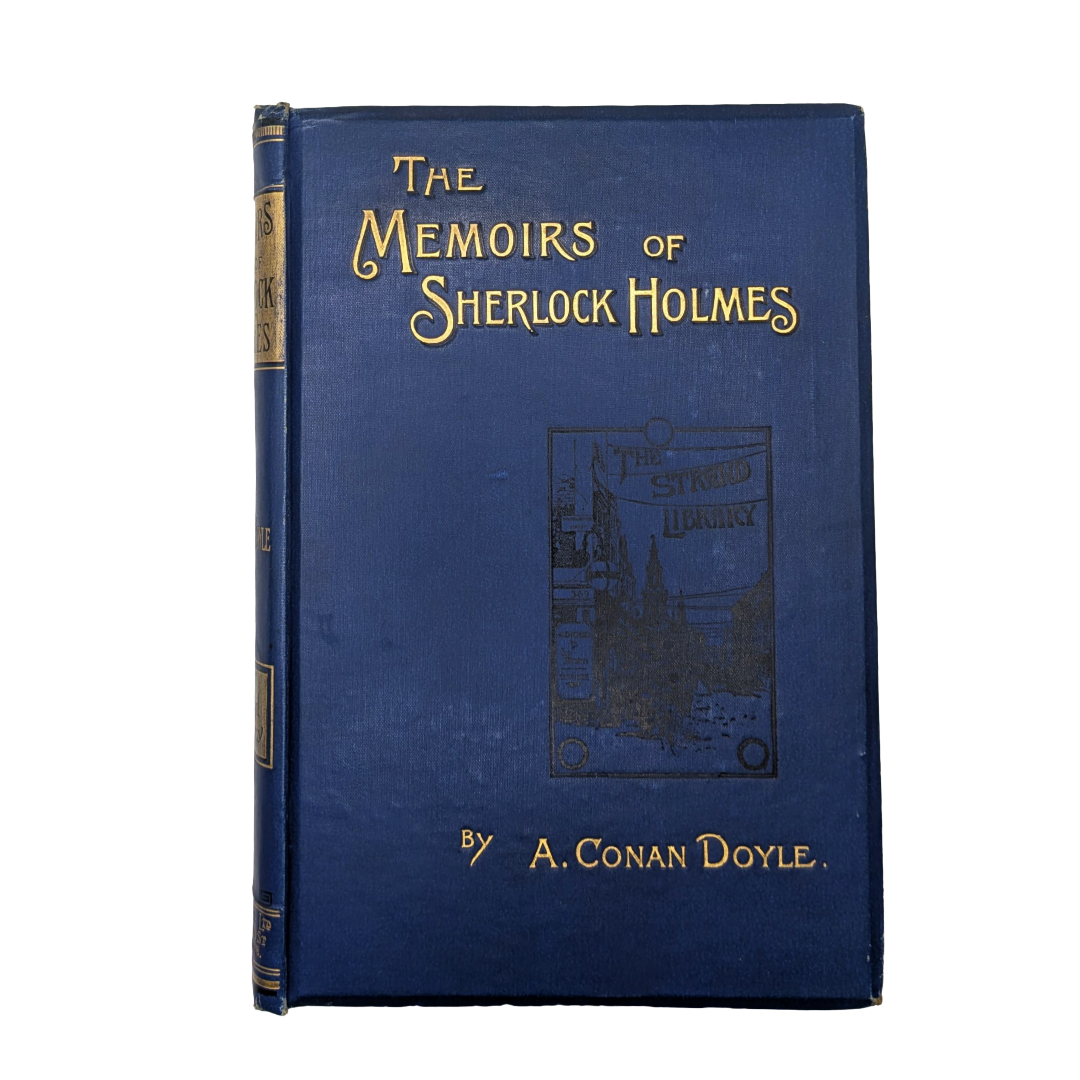
They will send you a direct payment, although, of course, the price they offer will be less than what they will sell for. For example, I’m currently trying to sell a first edition Sherlock Holmes worth at least £1,400, but my offers have averaged £700.
What the bookshops will offer will depend on the current demand for the book
4. Rare Book Sellers
As well as shops, you also have the option to sell directly to rare book sellers. You can find professional book sellers on the PBFA or ABA websites. These are organisations and guilds for antiquarian book sellers.
The book seller will provide a value and price for your book, similar to an auction. The seller will assess your book and provide a valuation and price based on its rarity, condition, and current market demand.
The final offer will always depend on how sought-after your particular book is at the time. The transaction typically involves payment directly from the dealer.
5. Selling Plan
So, now you know where to sell rare books online. However, you don’t need to choose just one option. What I would do is review all avenues before selling.
First, I would do an online search to investigate the competition. Then I would send the book for valuation to an auction, a bookshop, and a bookseller (you can do all of this online). Once you have an idea of the value and demand for your book, you can choose the best option.
This thorough approach ensures you'll maximise your profit.
~~~
If I have missed any information on where to sell rare books, let me and others know below. I’m still a new book seller, so I wasn't sure whether I should write about selling rare books. But in the past two years, I have gathered a lot of information on the trade. The blog also provides a space to organise that information and remind myself that I do know the basics.
I’m also active on Instagram @sixbookshop.