
Where to Sell Rare Books Online For Profit
Where to sell rare books for profit?
Perhaps you are a rare book seller, or simply have a book you'd like to sell. Books have the potential to generate significant profits.
However, not all books are equal. The value of your book depends on the condition, rarity, and its current market demand.
Also, whoever you sell to, whether it's a bookshop or an online marketplace, they will take a percentage. So, make sure you research and understand what to expect from your book before you sell.
Below, I will break down all the options available when selling rare books. I have also created a Modern First Edition Price Guide.
~~~
Sell Rare Books Online
The first step in selling a rare book is to review the competition online. You can do this by typing the book’s title into Google or using Google Lens. Keep in mind that the edition and condition of your book will play a major role in the book's value.
Other factors include whether your book has a dust jacket and complete pages (especially when the book has illustrated plates). I look into how the value of a book changes depending on the edition in my Harry Potter Price Guide.
Therefore, it's a good idea to get a range of prices and opinions if you're unsure of your book's value. Let’s look at the options you have when selling rare books.
I sold to Peter Harringtons 2026
1. Online
The two major websites for selling rare books are eBay and Abe Books. You can search for your rare book on these websites. Make sure you have the correct edition, and check its condition when comparing price ranges .
Selling online is likely the fastest way to sell rare books, but websites take a 15% - 20% commission. To sell, you will need to set up an account and wait for the sale to happen, which depends on the book's demand.
I have found that eBay, although it adds sales tax, is a fast way to sell books online. I can expect daily sales on my eBay shop even as a new seller.
If your rare book is worth more than a few hundred dollars, consider exploring other, more competitive selling options.
2. Auctions
There are auctions in every city and region that can help value and sell your book. They will likely value your book lower than its worth to encourage buyers. These valuations are free (I have never had to pay for a book valuation). In addition, you can place a reserve price.
In the UK, there are big auctions such as Forum, Sotheby's and Dominic Winter. You can also sell to independent auctions such as Quire Auctions.
These auctions will likely take a percentage of the total sale between 10% - 20%. But by placing it in an auction, this can encourage competition between buyers.
You will have to weigh up the risk of selling your book at an auction.
3. Rare Book Shops
If you don’t want to risk an auction, you can sell your books directly to bookshops. For less expensive books, a regular local bookshop might buy your book.
For more expensive books, you can contact rare book specialist shops such as Peter Harringtons or Mag Bros. These shops have online forms where you can enter your book's details and attach photos for a valuation.
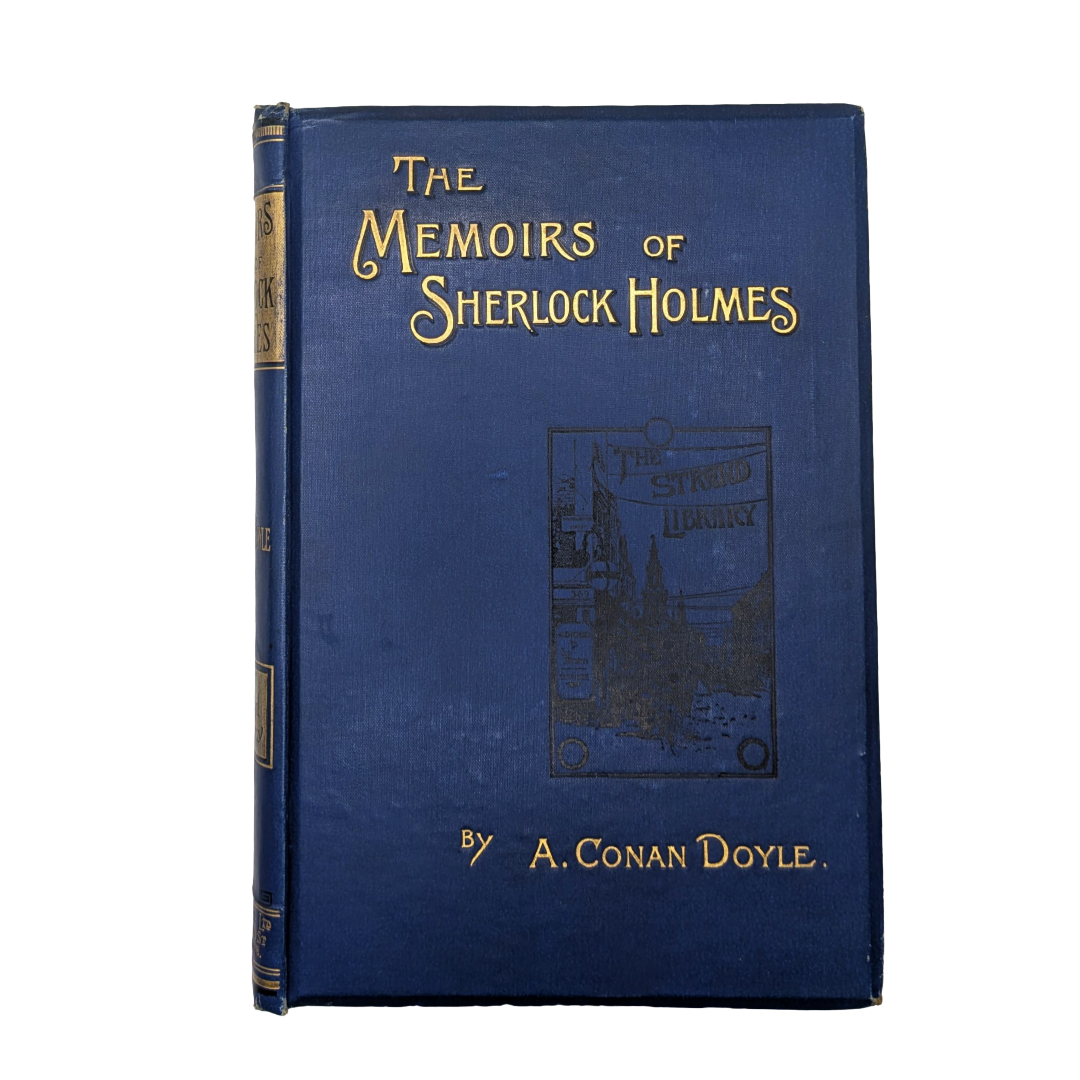
They will send you a direct payment, although, of course, the price they offer will be less than what they will sell for. For example, I’m currently trying to sell a first edition Sherlock Holmes worth at least £1,400, but my offers have averaged £700.
What the bookshops will offer will depend on the current demand for the book
4. Rare Book Sellers
As well as shops, you also have the option to sell directly to rare book sellers. You can find professional book sellers on the PBFA or ABA websites. These are organisations and guilds for antiquarian book sellers.
The book seller will provide a value and price for your book, similar to an auction. The seller will assess your book and provide a valuation and price based on its rarity, condition, and current market demand.
The final offer will always depend on how sought-after your particular book is at the time. The transaction typically involves payment directly from the dealer.
5. Selling Plan
So, now you know where to sell rare books online. However, you don’t need to choose just one option. What I would do is review all avenues before selling.
First, I would do an online search to investigate the competition. Then I would send the book for valuation to an auction, a bookshop, and a bookseller (you can do all of this online). Once you have an idea of the value and demand for your book, you can choose the best option.
This thorough approach ensures you'll maximise your profit.
~~~
If I have missed any information on where to sell rare books, let me and others know below. I’m still a new book seller, so I wasn't sure whether I should write about selling rare books. But in the past two years, I have gathered a lot of information on the trade. The blog also provides a space to organise that information and remind myself that I do know the basics.
I’m also active on Instagram @sixbookshop.