
Natural History Books Collectors Guide
Natural History Books – Collector's Guide
Collecting books on natural history is a fun hobby. Whether you love their illustrations or are intrigued by their content. There are many subjects and collections you can find, either with a low or unlimited budget.
To begin with, there are lots of reasons to collect rare books. You might wish to preserve knowledge or create a personal library that reflects your interests. In this blog post, I will look at how to start a natural history book collection with advice on what to buy. You can also find a list of book collecting ideas below.
Natural History Books
When you start collecting natural history books, you might wish to follow a theme. For example, you could focus your collection on butterflies. You can explore a specific subject in depth. However, it’s not necessary to have a theme or to complete a book collection. Whether you follow a theme or not, the most important thing is to enjoy the process and let your personal interests guide you.
You might also need to decide if you want new books or antiquarian. Older books may lack the latest insights. On the other hand, antique books have exceptional plates and quality. Of course, you can have a varied collection.
Natural History Categories Examples –
Botanical
Wildlife
Birds, Ornithology
Insects, Ethicology
Fungi, Mycology
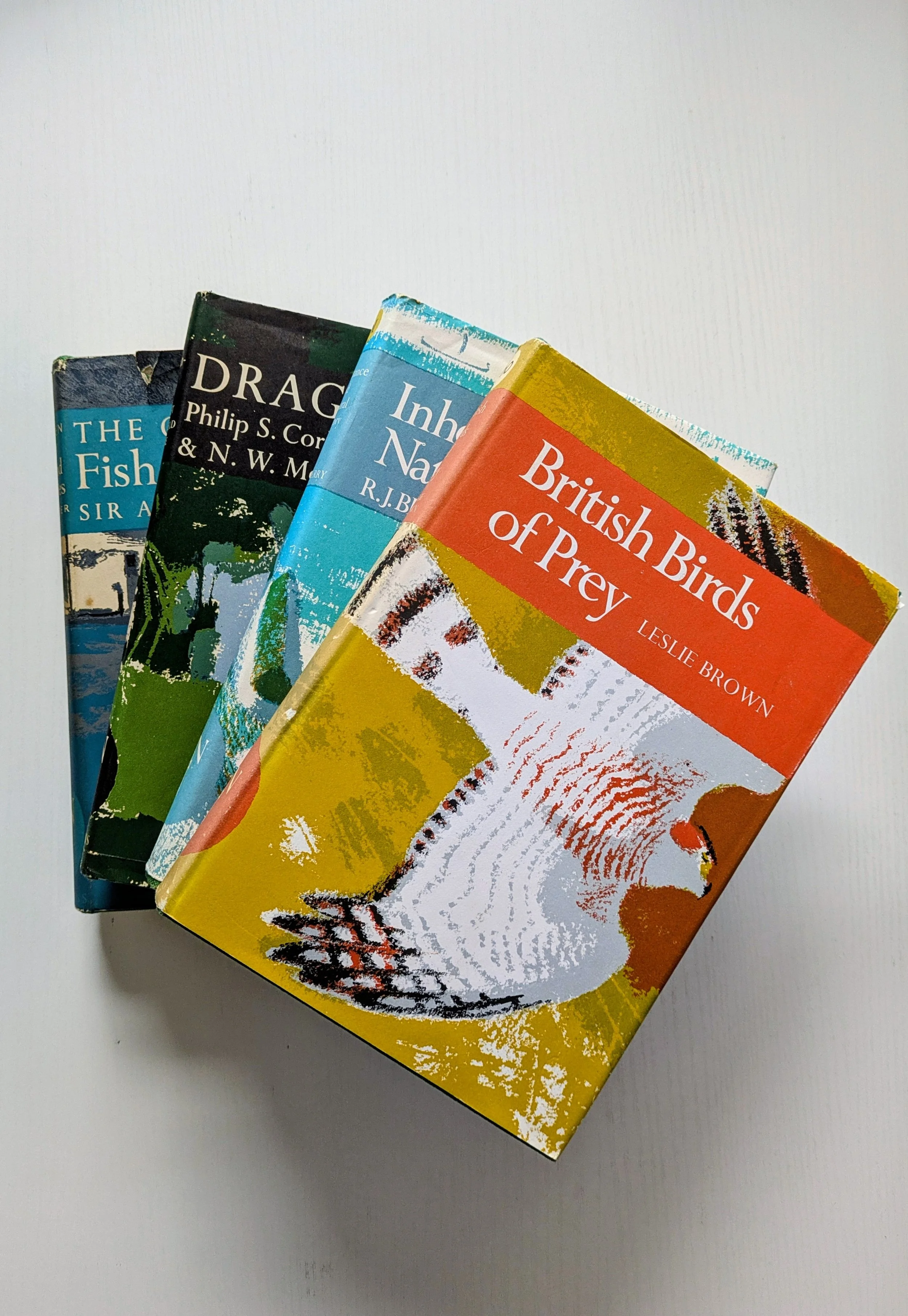
New Naturalist Book Collection
Natural History Book Collection
It’s also possible to start a natural history book collection with a limited budget. Some budget collections include New Naturalist and Wayside & Woodland. They are easy to find, fascinating reads, and look great on the shelf.
You can also start a collection on a specific writer. I personally enjoy reading Alfred Wainwright's walking books, or you can even build a collection of Charles Darwin's works. Many natural history book collectors also buy prints and original plates.
How you design your collection will depend on your personal interests. Below, I have a list of book collecting ideas and books on natural history to help you start.
Budget Natural History Books –
New Naturalist
Observer Books
Ladybird Nature
Wayside & Woodland
Shown To The Children
Popular Books On Natural History –
Familiar Wild Flowers
The Natural History of Selborne
Birds Of America
The Naturalist's Library
Curtis's Botanical Magazine
Natural History Writers –
Morris Rev. FO
Gilbert White
Charles Darwin
Eliza Gleadall
Mrs Gatty
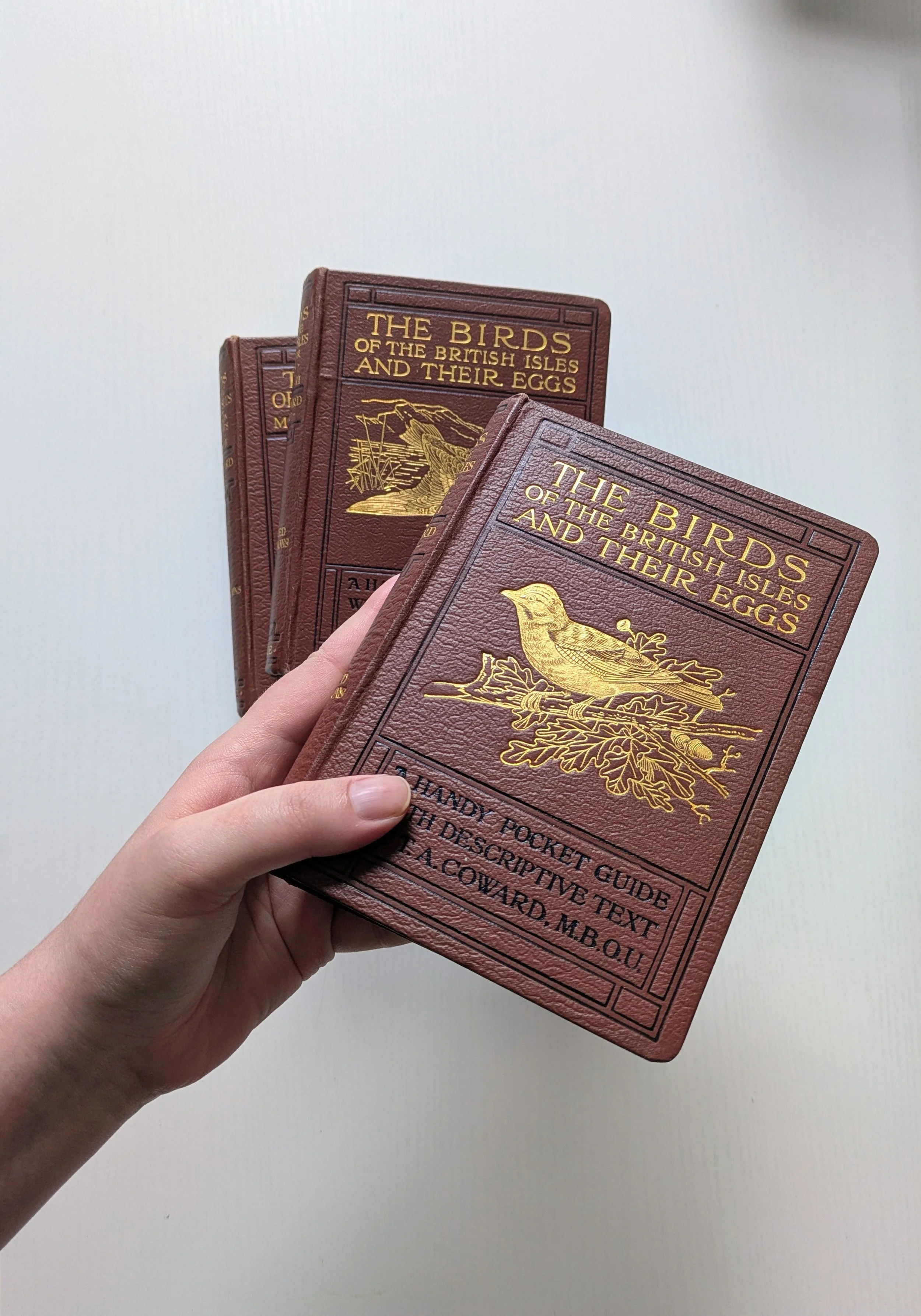
Wayside & Woodland Books
Buying Natural History Books
There are lots of places to buy rare books, including eBay, second hand bookshops, book fairs and auctions. Before you buy a book, check the condition. Does the book have its original dust jacket, is it in good condition?
When collecting books on natural history, check that there are no missing plates. In the 80s and 90s, there was an increase in people pulling colour plates out of books. As such, make sure to count the plates before buying.
Natural history booksellers can help you build your collection. You might find a local seller with a Google search. In the UK you can use the PBFA website to find book sellers. I also have some budget books in my eBay shop.
If you have the budget, then contact well known antiquarian bookshops (for example, Peter Harringtons). These can help you find books for your collection. These larger shops will also have a list of stock on their website.
Lastly, book collecting is an addictive hobby, so it’s a good idea to have a budget. Perhaps stick to a set monthly spending limit or a budget for your entire collection. If you don’t do so, you might end up like me, an accidental bookseller who spends £1,000 a month on books!
Displaying Natural History Books
When you display your book collection, keep them on a shelf and upright. It’s important that you don’t have your rare books in direct sunlight, as this will cause UV damage.
To ensure your books last in the best condition, gently clean the shelves and dust the books. In addition, maintain a controlled environment with consistent temperature. Especially important if you collect very rare old books.
Sharing your book collection online can help you connect with fellow bibliophiles. In my experience, Instagram is an excellent platform for posting book photos. However, you can also find a community on Reddit or Facebook.
Your Book Collection
Your collection is about you. It reflects your interests, tastes, and passions. Whether you prefer a minimalist look or a vibrant display. You can also personalise your display using creative lighting and unique display shelves.
Furthermore, you might choose to display your books open to beautiful plates. Ultimately, what you collect and how you present it should bring you joy. So, feel free to experiment until you find what makes you happy.
Thanks for reading. I’m still a new book seller, so if you have any advice on collecting books, please share it in the comments.
Instagram @sixbookshop
How To Start Collecting Rare Books Guide
Collecting rare books was once limited to wealthy men, but it's now becoming more diverse as people turn to reliable information and physical media.
It’s also a lot of fun! After starting to sell and buy books, I’ve travelled, met a lot of interesting people, and found some treasures.
The guide below covers the basics of starting to collect rare books and the steps involved in building one. I have also created a free list of book collection ideas to help beginners start collecting rare books.
Collecting Rare Books
Book collecting involves finding, organising and displaying books. Collecting rare books begins with your passions and interests. While some collectors organise their books by a theme, it's not necessary to have a focus.
For example, natural history, science fiction, historical events, or the works of a particular author. Most of all, your enthusiasm will make the process of finding, displaying, and caring for rare books will make your hobby more fun.
Book Collection Examples –
Natural History, Botanical
Science Fiction, 1960s Pulp
History, French Revolution
Style, Art Nouveau
Author, Ian Fleming
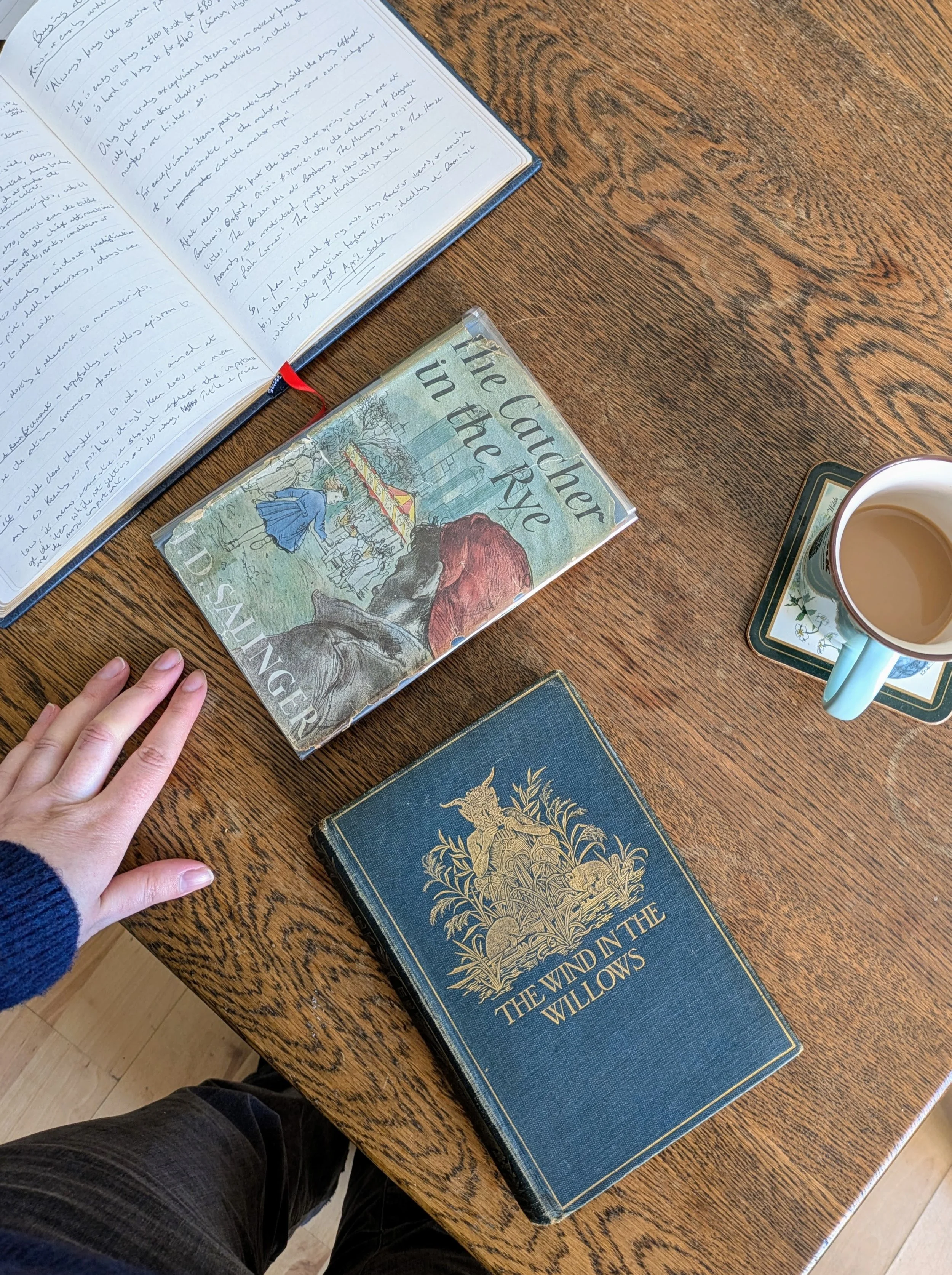
Books I Found 2025
Book Collecting Inspiration
Finding inspiration for your rare book collection can start with social media like Pinterest and Instagram. These sites can help spark ideas for new themes, genres, or authors. In addition, book markets and local libraries can introduce you to new books and offer ideas for book displays.
Examples of Rare Book Collections –
Honey & Wax Book Collecting Prize
The ABA National Book Collecting Prize
How to Buy Rare Books
When buying rare books, start with a budget and consider whether you want to focus on a particular series, author, or theme. Gain inspiration from social media, book markets, and libraries to create your collecting interests.
Aldo, pay attention to the condition of each book carefully. To start collecting rare books, explore rare book fairs, specialty book shops, auction houses, and online sites like AbeBooks. Remember to research sellers and request details on the condition.
Rare Book Buying –
Auctions
Rare book fairs
Rare book shops
Websites, e.g. AbeBooks
Antiquarian Bookshops
Storing Rare Books
Storing books properly helps preserve your book collection for future generations. Keep books away from direct sunlight, drastic temperature shifts, and especially moisture. Ideally, books should be kept at about 20°C in a typical English climate.
Water damage from leaks is more hazardous to rare books. For very rare or valuable books, custom boxes or clamshell cases help shield them from light and air. You should also try to keep your books upright on a shelf.
Storing Rare Books –
Keep away from direct sunlight
Don’t keep in damp rooms
Display upright on a shelf
Displaying Your Rare Books
First, place your books upright on shelves to prevent warping. As mentioned, avoid exposing them to direct sunlight or humidity. Consider using glass cabinets or custom cases to protect your collection. Or a basic wooden bookshelf, you can also display books open on it or even use props.
If you prefer privacy, you can keep your collection to yourself, but showcasing your books online can help you connect with other rare book collectors. I have found a great community of booksellers online.
How I Find Rare Books?
I find rare books through a variety of sources. Auctions are a great way to find unique and valuable titles, but be aware of auction fees. Job lots sometimes contain unexpected treasures, and they let me buy a group of books in bulk.
Secondhand bookshops are good for browsing the shelves and conversations with knowledgeable shop owners. Occasionally, I make house calls, visiting private collections, which can reveal rare editions tucked away in personal libraries.
You can also attend book markets, which are great for finding rare books. You can find these locally or explore the PBFA website.
I hope this blog post has helped you begin collecting rare books. I am still new to book selling and collecting so if you have any advice to share let me know below.