
Fine Book Binding: A Beginner’s Guide
Fine book binding transforms books. These covers come in many styles and materials, from leather and calfskin to silk and gold.
As a collector, you might buy fine bindings for their value, decoration or nostalgia. Most of all, these books are a pleasure to own and will transform a bookshelf.
In this beginner’s guide, I will explore the different types of fine book binding, what makes them special, and how to start collecting beautiful books.
If you're new to my site, I also sell books.
Fine Book Binding
Fine bindings are the highest level of book binding. They often feature materials like leather and vellum, along with decoration. Fine bindings come in many styles, so let’s explore the most popular ones.
Materials
Leather is one of the most popular materials in fine bookbinding. Books are bound in full leather or in a combination of leather and another material.
Common styles include half-leather, quarter-leather, and three-quarter-leather bindings.
For example, in quarter-leather binding, leather typically covers the spine and a smaller portion of the cover.
Morocco leather (made from Goatskin) is generally smoother and finer in texture. Another material is Vellum, made from animal skin. It has a pale, translucent appearance. You might also find Silk and other fabrics in fine book binding.
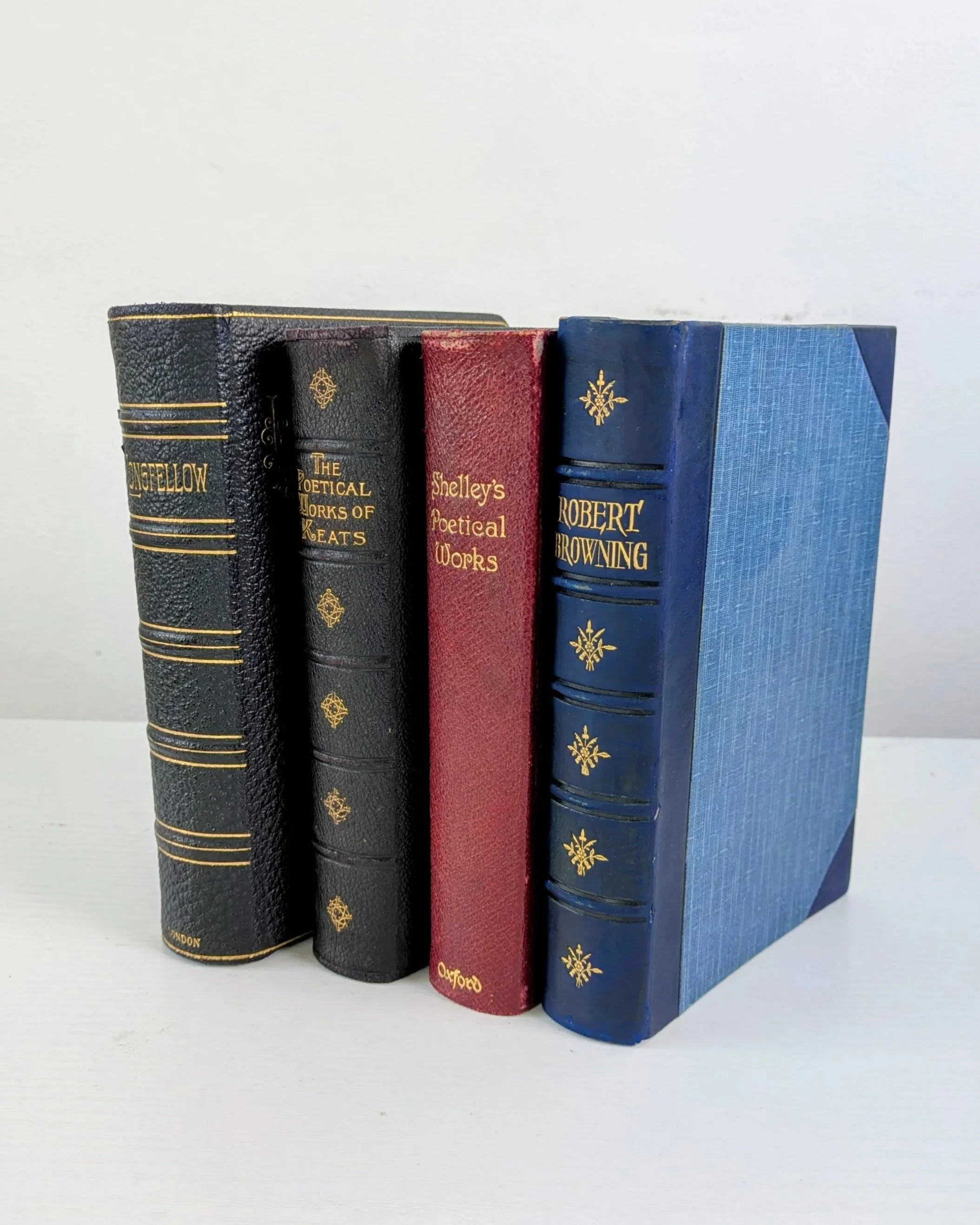
Fine Book Bindings
Décor
You will also find decoration on fine book binding. These Fine bindings often feature gold tooling, hand-painted designs, or colourful decor. Others incorporate precious materials, gems or unusual details.
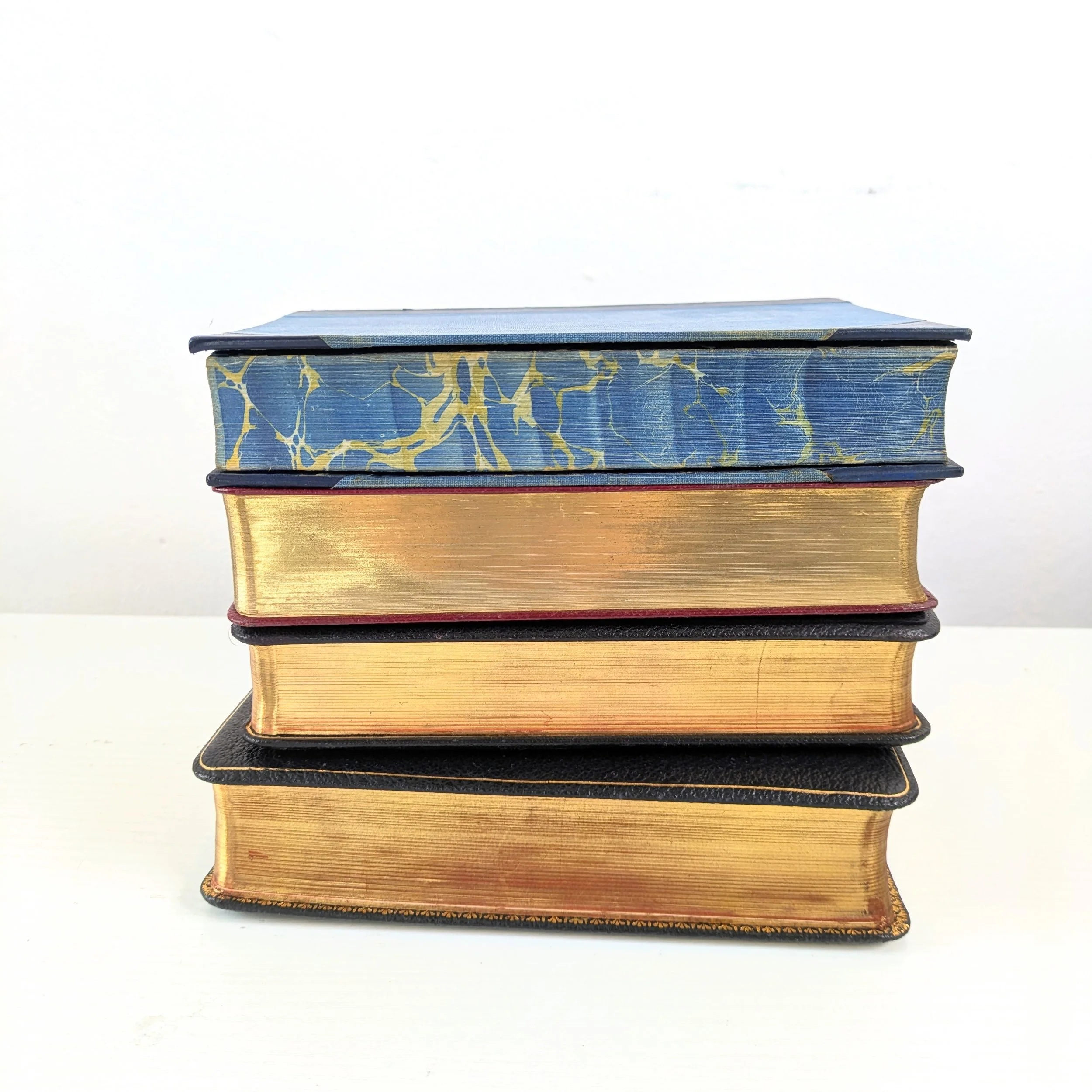
Gilt edges are also popular. This is where the page edges are coated with a metallic finish. Some bindings also feature elaborate clasps, metalwork or jewels.
No single style dominates fine binding. Some collectors prefer elegant designs, while others prefer elaborate decoration and unusual materials.
Details
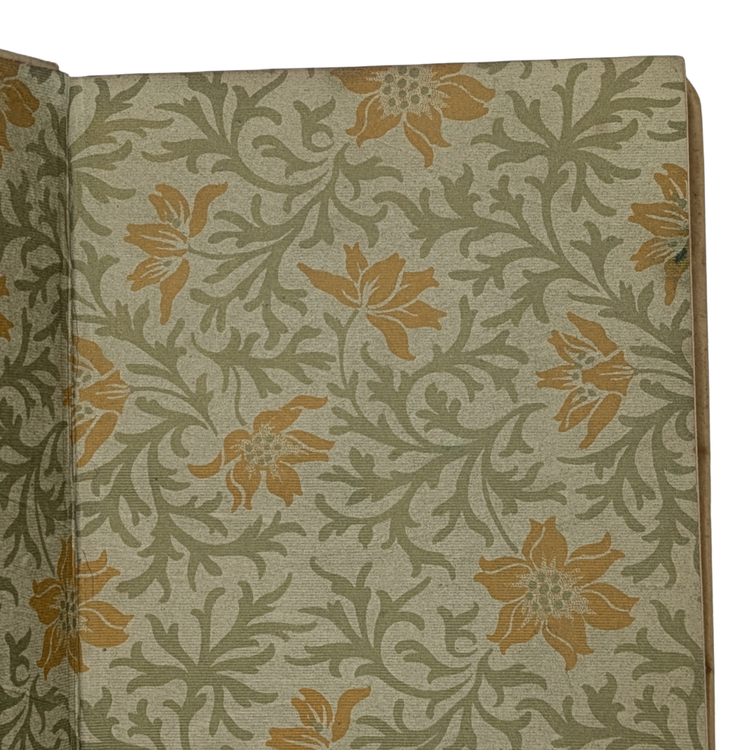
Details can make all the difference. For example, decorative or marbled endpapers. Marbled book edges and gold leaf edges can boost a book's appearance.
Inside the covers, you may find Silk Linings and decorative borders. Gold tooling adds further decoration, while leather can have patterns. These finishing touches turn a beautifully bound book into a work of art in its own right.
Starting a Fine Book Collection
Start by choosing a favourite author or a binding you love. For example, you might collect only 19th-century half-calf bindings, works on a press (like Folio Society), or fine bindings of a specific genre (like poetry or travel).
You don't need a large budget to begin collecting. Beautifully bound books are in second-hand bookshops, antique markets and online auctions. Start with books that appeal to you, and take time to learn about different styles.
Budget Collection Ideas –
· Full-Leather Eastern Press
· Folio Society editions
· Penguin Clothbound Classics
· The Franklin Library
· Chiltern Classics
Condition
When buying second-hand fine bindings, take time to check the book's condition. Look out for loose boards, cracked joints, worn or peeling leather.
For online purchases, ask for clear photographs of the spine, covers and any areas of damage. Remember that for older books some wear is ok. However, significant damage or poor repairs can affect both the appearance and value of a fine binding.
Buying Fine Bound Books
There are several places to look when starting a fine book collection. Online marketplaces such as AbeBooks and eBay shops offer a wide range of decorative books. In addition, antique markets and second-hand bookshops are good options.
Auctions are another option, particularly if you're willing to research lots before bidding. Fine bindings can occasionally sell for less than expected when they attract little attention. However, it's important to factor in buyer's premiums and other auction costs.
You can also browse specialist book dealers.
If you're looking for fine books to add to your collection, browse my selection of rare and interesting books at Six Bookshop.
You can also join the newsletter to get first dibs on books every month.