
Should a Bookseller own a Kindle? Pros & Cons
As a bookseller, should I own a Kindle?
To start, I bought a Kindle years before I started selling books. I remember carrying a rucksack packed with books onto a plane for a beach holiday. It was far too heavy and completely impractical.
Not to mention the few times I have dropped paperbacks into the bath.
The Kindle solved these problems overnight, it was lightweight, waterproof, and, most of all, convenient. But now that I sell physical books, I wonder whether using a Kindle makes me a hypocrite.
Let's begin with a list of pros and cons.
Pros
Instant Books
Lightweight
Waterproof
Adjust Text Size
Built-In Light
Long Battery Life
Cons
Not a Physical Book
No Colour Images
Upfront Cost
Owned By Amazon
Amazon
It’s all about Amazon.
Amazon is the largest bookseller in the world. They dominate the eBook market with Kindles. Not to mention that the company has faced criticism over its tax practices, worker rights, impact on the environment, and all-round business ethics.
I did, however, find some good reports about Amazon. First, they do get more books into the hands of readers. The same goes for large shops like Waterstones (Barnes and Noble). These big companies have enabled mass literacy that otherwise wasn’t available in the 80s and 90s. In addition, they do provide a platform for independent writers.
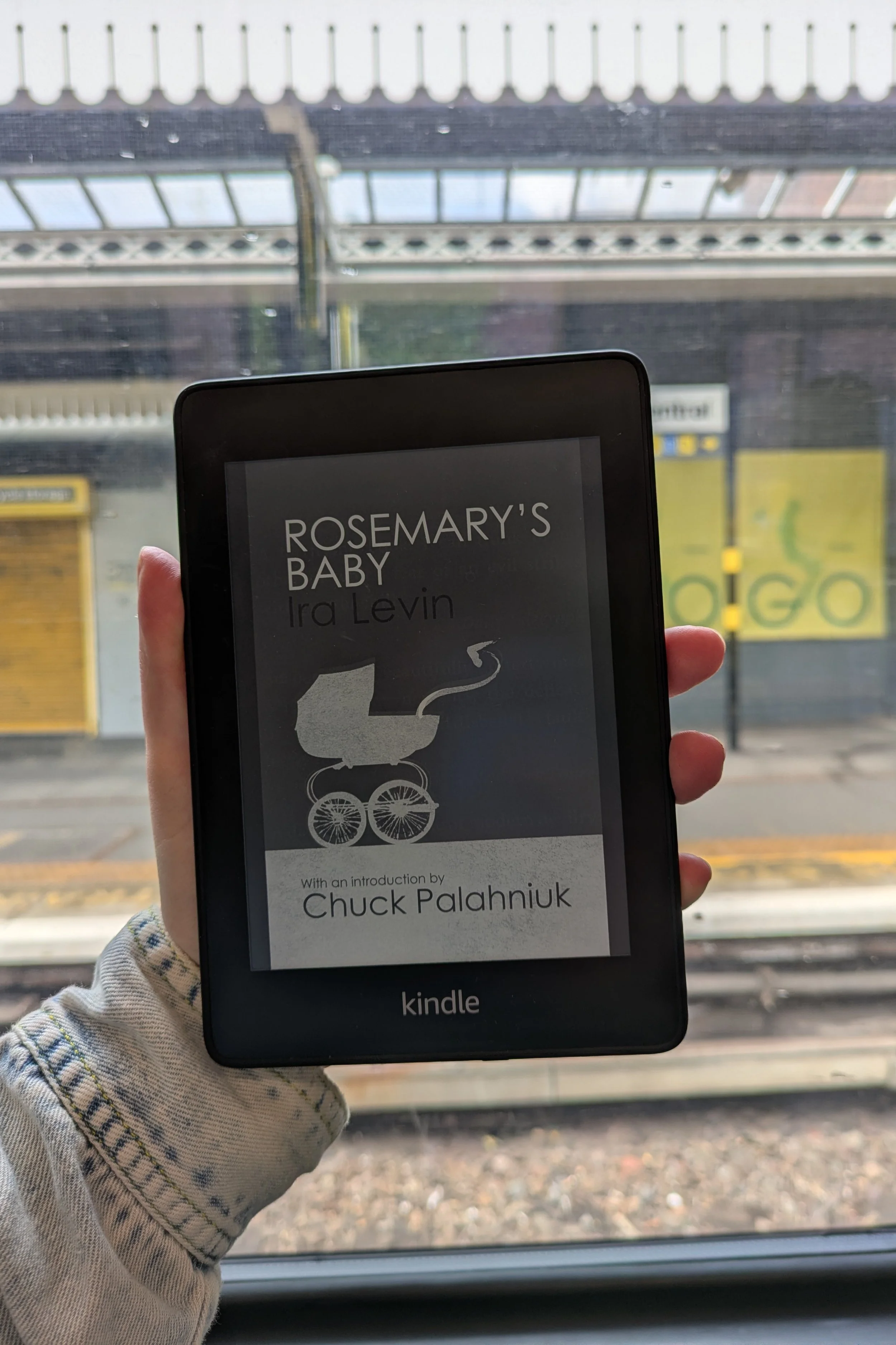
Should Booksellers own a Kindle?
Still, Amazon is bad for bookshops.
Amazon's growth has coincided with the decline of the high street. It’s estimated that 50% of bookshops have closed since 1995, as well as 50% of the overall high street. Anything from hardware shops, video rentals, toys and electronics shops has all closed due to Amazon's growth.
The Colossal Conglomerate also owns over a hundred companies worldwide. Unfortunately, for book sellers, this includes AbeBooks, one of the biggest retailers of second-hand and rare books. So, even if you tried, you can’t avoid buying from Amazon.
Bookshops
It’s not all bad news. We talk about the bookshops closing, but in the UK more independent bookshops opened last year than closed. People still buy from bookshops and some booksellers are doing very well financially (personal experience).
Most of all, bookshops win for customer service, rare books and being environmentally friendly. At an independent bookshop, you can request books for delivery and have the owners help you find books. When it comes to rare books, you can trust an experienced bookseller rather than a faceless company.
Bookshops also offer the element of surprise and discovery. In general, second-hand book shops allow you to try out new writers for a lower cost. Not to mention the atmosphere and good karma from supporting a local business.
Pros
Lower Costs
Eco-Friendly
Unique Books
Rare Finds
Atmosphere
In-Person Service
Convenience
It’s all about convenience.
You can boycott Amazon, but they have already won.
Booksellers need to focus on what Amazon can not do. Such as providing personal service and building relationships with buyers and customers. Plus, the role of an eco-friendly option for the local community.
Amazon can not talk directly to customers, they can not find rare books or offer anything tailor made, including rare quality items and a premium service.
However, I do believe bookshops need to make buying from them more convenient. For example, I visited a bookshop recently that was an hour journey away. Google said they were open, but when I arrived they were closed. Many second-hand shops I've visited don’t have clear organisation by genre and topic. Pricing is also messy and unclear.
So, in my opinion, some bookshops need to make their business more accessible and convenient for the modern customer.
How can independent bookshops compete with Amazon?
· Organised shelves
· Clear pricing
· Take Card & Cash
· Bulk buy deals
· Face-out displays
· Loyalty stamps
· Online Stock Lists
· Up to Date Socials
Should I own a Kindle?
I bought two books this year on my Kindle, both for a book club. I wasn’t able to find these titles in a second-hand shop, and there was no guarantee at Waterstones. So, Kindle was the fast, convenient option, plus the books were on sale for £1.00 each.
I am in two minds, as someone who buys physical books weekly. As much as I dislike Amazon’s ethics, I do believe I can still keep my Kindle for those convenient moments.
As for my online bookshop, I provide a more personal, eco-friendly service, and I sell unique vintage books, some of which you can't find anywhere else online.
I feel that the damage is done.
There should have been rules for these large companies to avoid a monopoly, and there should have been more done to protect the local high street.
For now, bookshops need to forget about Amazon and focus on what they can control.