
How I Source Books for My Rare Book Business
To run my rare book business, I need to source stock regularly and consistently.
I am in the early days of my business, but I still sell 50 books a month on my website, at local markets and on eBay. I find these books from a mix of sources.
Below, I’ll outline the main ways I source books for my rare book business, from easiest to most complicated.
How I find books for my rare book business
Bookshops
Online
Markets
Donations
House Calls
Auctions
1. Bookshops
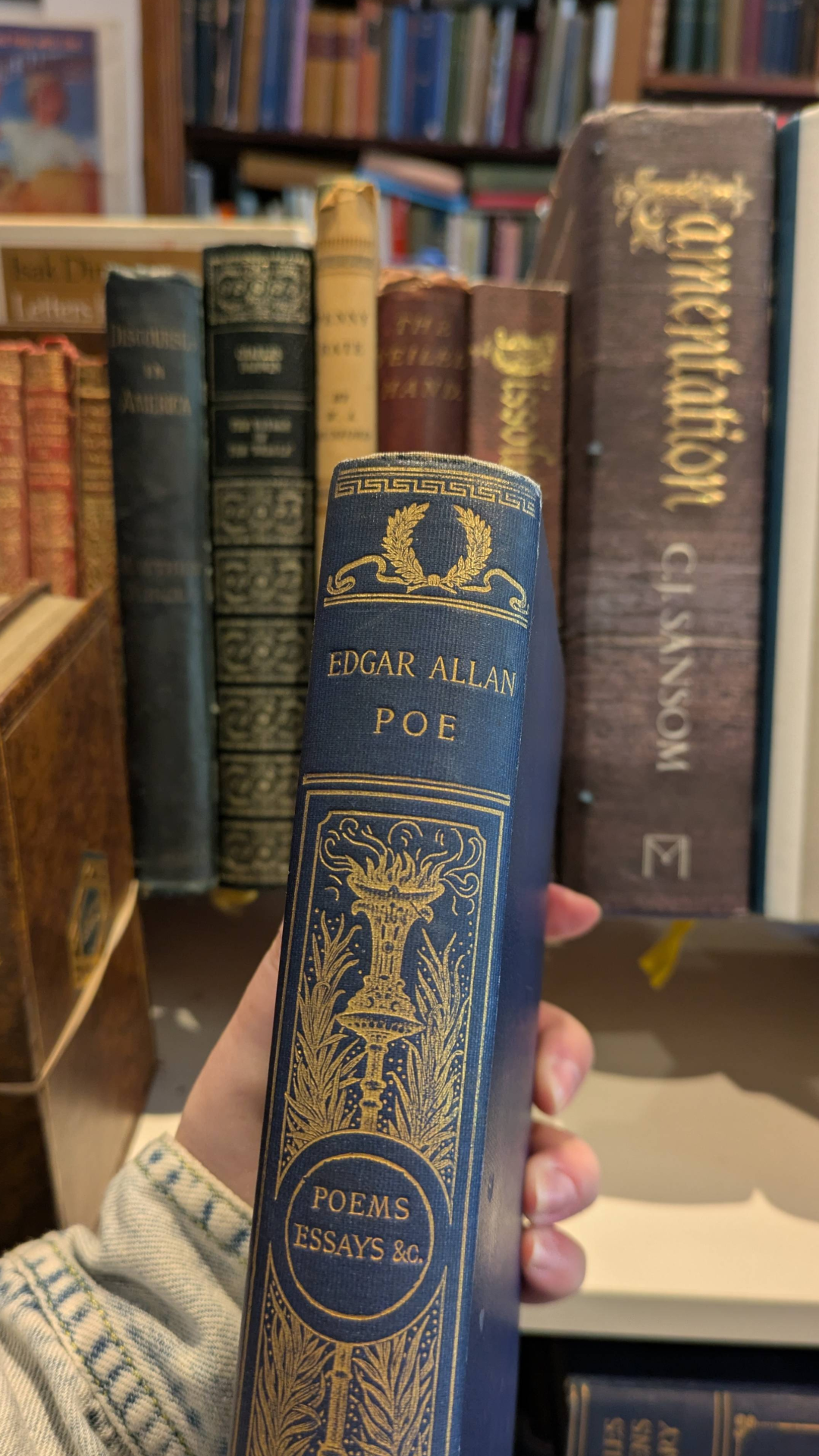
The first place I look for rare books is second-hand bookshops. When I first started book hunting, I struggled to find rare books. But with practice I’m developing a stronger eye. I have a rule to always buy a book when I visit an independent bookshop. Both to support bookshops and to challenge myself to find unique items.
With practice, I have already memorised a ton of books, their covers and what to look out for with first editions. Although even when I find a great book, there is no guarantee that it will sell for profit or quickly enough. I still have a lot to learn about rare book selling.
The main drawback with buying from bookshops is that prices are often high. They are also not a practical option if you need to build up a large amount of stock.
Pros
Easy way to start looking for rare books
Great for supporting bookshops
Cons
No guarantee that you will find rare books
Bookshop Hunting
2. Online
Yes, you can find rare and vintage books on online marketplaces such as my eBay shop, AbeBooks and Facebook Marketplace. This is especially useful when you know exactly what you’re looking for.
Still, good deals are hard to come by, and many books are priced too high for resale. I have had some luck with buying job lots on eBay. You can also save searches, for example ‘vintage books’.
Pros
Easy way to find and buy books
Cons
Hard to find rare or distinctive books
3. Markets
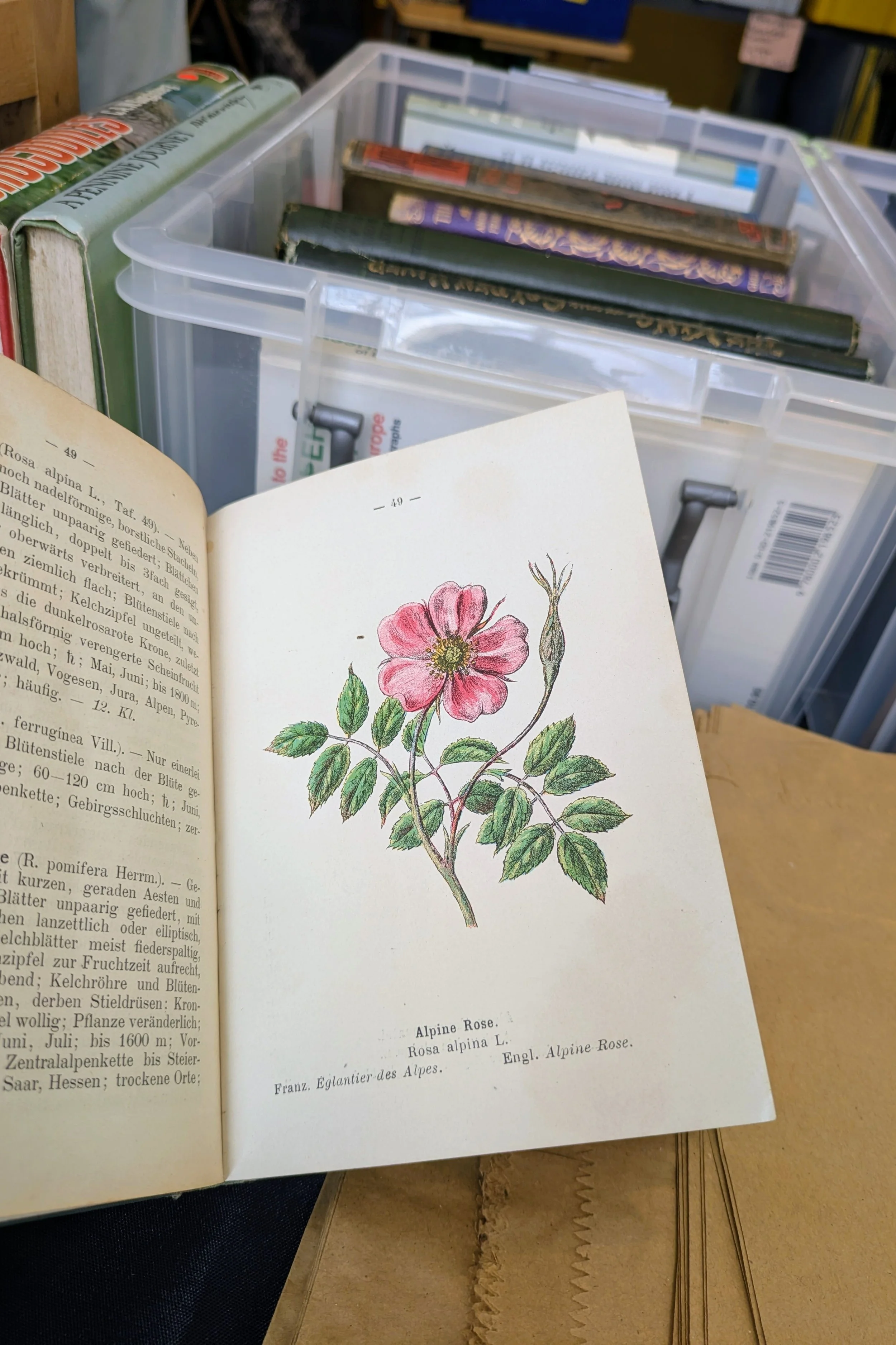
Markets, specifically book markets, are a great place to find rare books. By attending them, you can find deals, unique books, and stock up. You do need to know what you are looking for and have an understanding of book prices.
Most of all, markets are good for finding a few good deals. But they are not great for getting hold of a large amount of stock. You can find UK book markets on the PBFA website, although I have also found great books at local non-union markets.
Pros
Good for finding quality rare books
Cons
Requires a good understanding of book values
Competitive with other book sellers
4. Donations
As soon as I said I was selling books, people started to donate. The same will happen if you open up a bookshop. People will donate books by the bag load to book sellers.
However, that doesn’t guarantee that the books are any good. I’m very picky and have learned that not all books sell. The best job lots I have got are from other booksellers who have surplus stock. The worst, members of the public with bags of paperbacks.
At the start of my bookselling career, donations were great for building up my knowledge. However, it’s unlikely I will receive another worthwhile donation.
Pros
Free job lots of books
Cons
Less likely to find rare books
Exploring Book Markets
5. House Calls
House calls are when people invite you to go into their home to buy from their library. This happens either when people want to downsize, or the owner of the books has passed away.
I don’t do many house calls, mainly because I don’t have a car (or license). I am also aware that entering someone’s house as a woman is potentially dangerous. The ones I have done have been with people I know.
House calls are difficult to find, especially from people with valuable libraries. You need to build trust and establish yourself in the bookselling business. Although when you get one, they are a great way to build stock and find rare book deals.
Pros
Great way to build book stock
Cons
Hard to find worthwhile invites
6. Auctions
I have made my highest profits buying from auctions, I have also lost the most money. Auction sites such as saleroom have hundreds of rare items every week.
However, auctions are highly competitive. You’re not just bidding against the public, but also against other booksellers, many with deep pockets.
Even if I research, plan and budget for an auction to perfection, there is no guarantee you will make a profit. My best sale was a £300 book which I later sold for £1500. My worst was a £500 book for £200.
Auctions are an expensive risk. Every sale you make has an addition 20 -30% put on top by the auction house. Postage and shipping costs are also high. For reference, I paid £40 to post one book from London to Liverpool.
Pros
Great for finding rare and unique stock
Cons
Very expensive with additional costs
Highly competitive bidding
Final Thoughts
There are lots of places to find books for a rare book business. Although each has pros and cons, the best way to buy stock is to use a mix of sources. For instance, I make sure to go outside to bookshops and markets every month. Then I keep an eye on auction listings for a good deal.
Thanks for reading. I am still a new bookseller, so if you have any tips on buying and selling books, let me know below.